
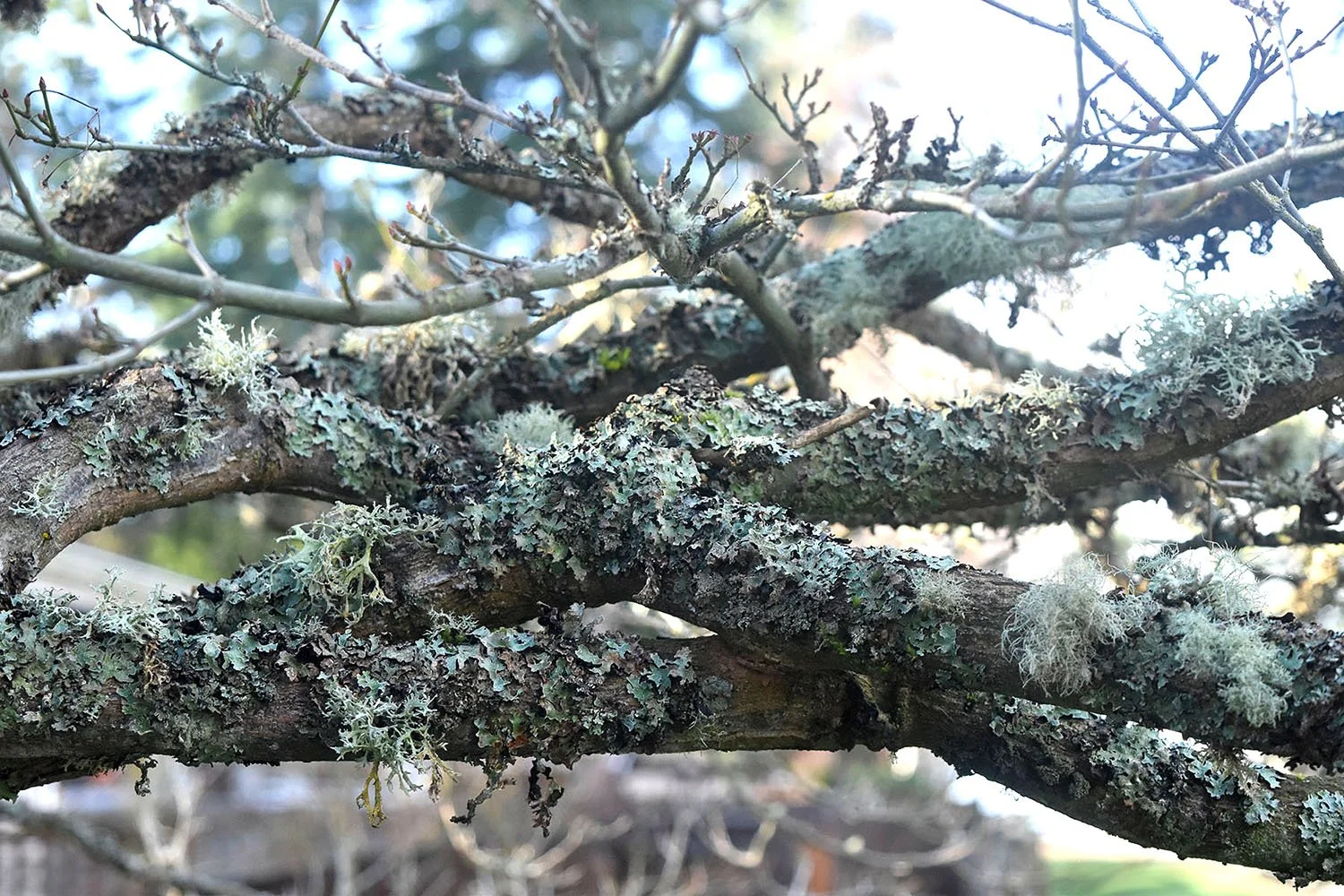
Along with moss, mushrooms, and other mysteries seen growing on trees, shrubs, soil, and other surfaces, you may notice lichens. They are almost everywhere, adding subtle layers of color and texture to walks through the garden and outdoor areas, especially in winter when there are fewer botanical details to compete for our attention. Even if we rarely notice lichens, they are there.
On some tree branches, they can grow so thick as to nearly cover the bark. Up close, a colony of lichens can resemble a fantastical miniature forest or undersea world. And they can be pretty weird-looking: flaky, scummy, moldy, or otherwise resembling some alien life-form. So it might be easy to assume they are not very friendly. Are they harming our plants? Are they a harbinger of decay?
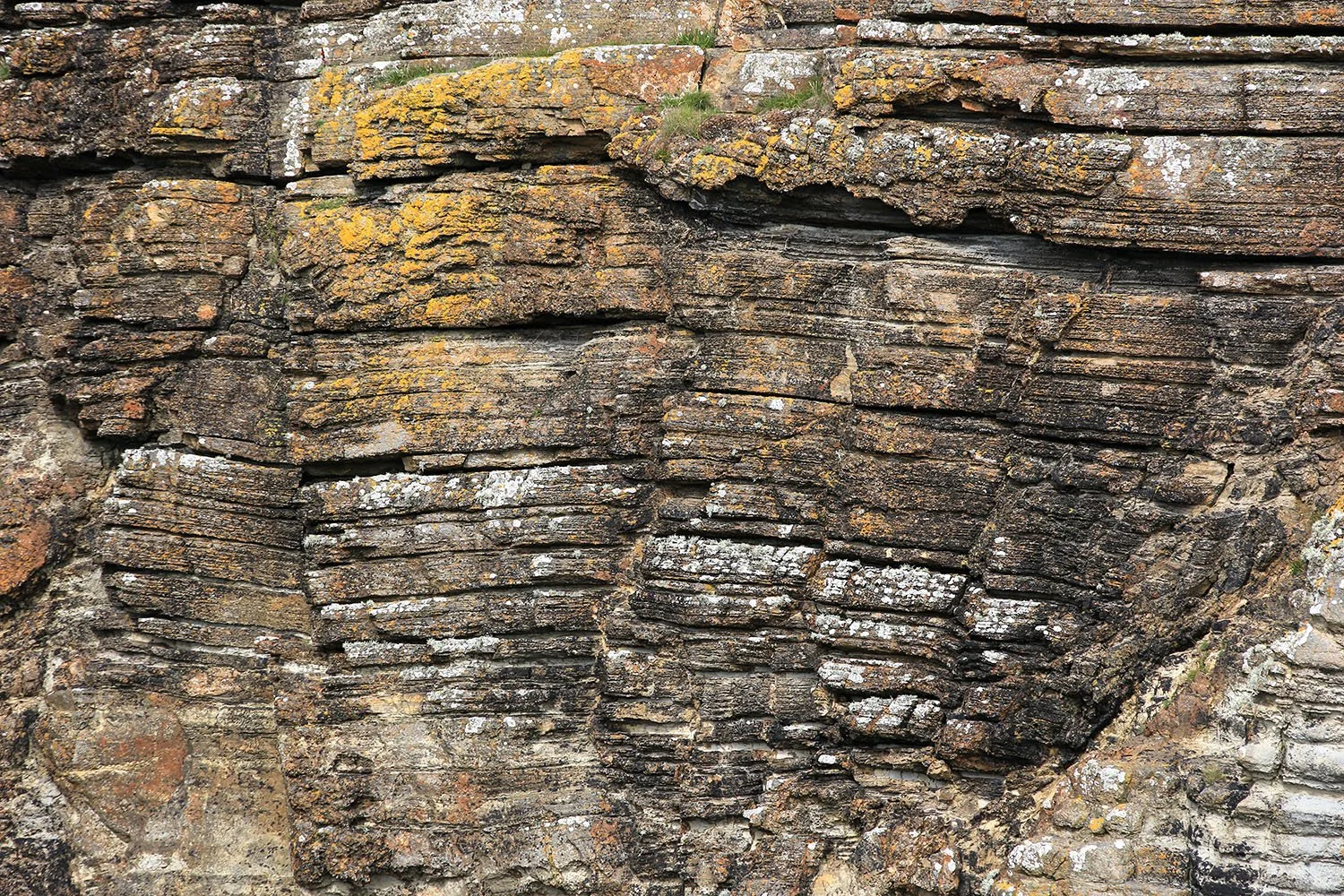
No, lichens are not parasitic, nor harming anything other than perhaps rock surfaces, which they can very slowly break down into soil. In fact, trying to remove them from tree bark could do more harm than good.
What exactly are lichens and what role do they play in our ecosystem?
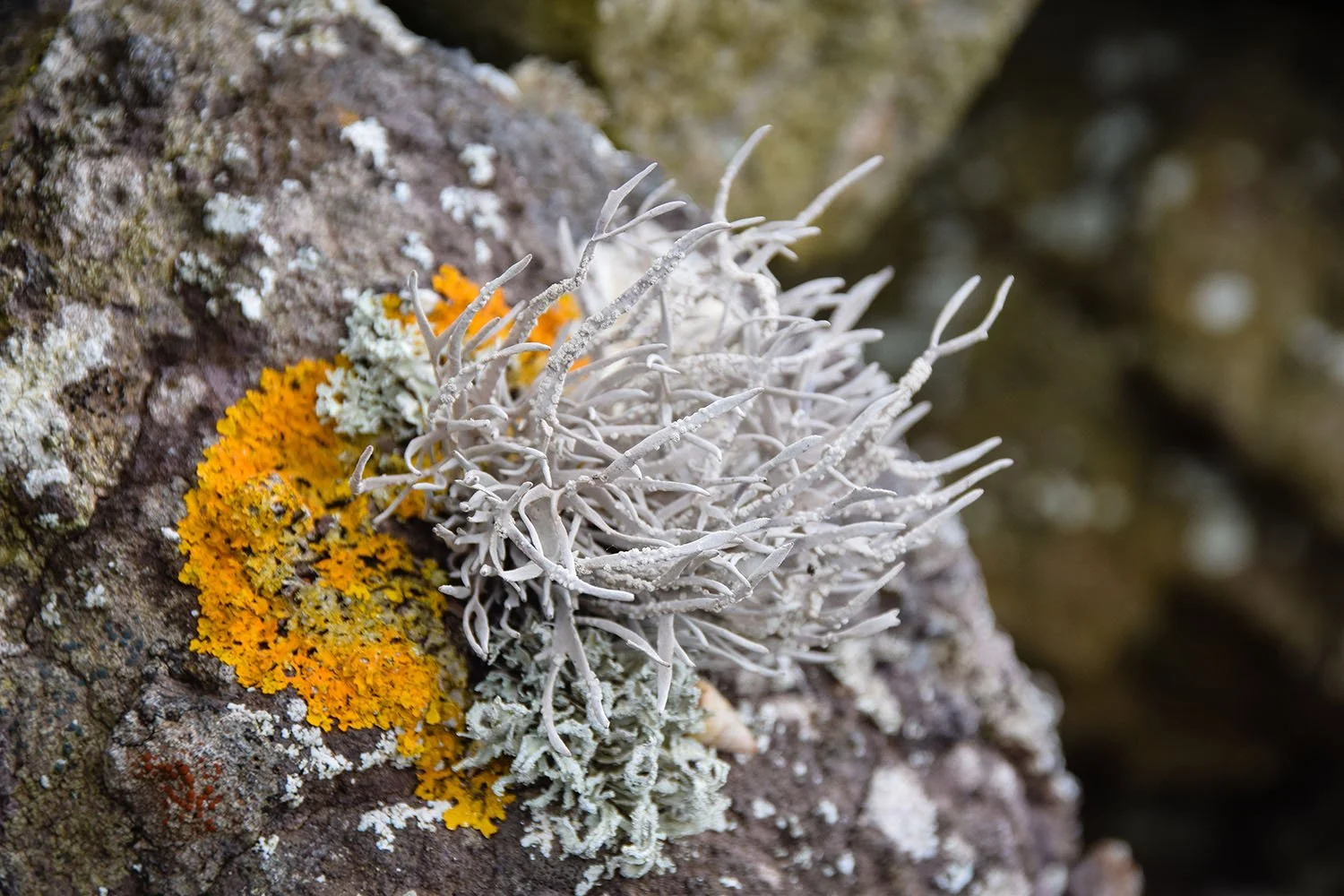
A lichen (typically pronounced “LIE-ken” or in some regions, “LIT-chen”) is not a plant, nor strictly a fungus or an alga. Rather, it is a symbiotic partnership between a fungus and an alga, along with a recently discovered “third partner” — a yeast that likely helps the lichen ward off predators and repel microbes. A lichen lacks roots, stems, or leaves and is attached to its substrate by filaments called rhizines or by a single, central extension of tissue called a holdfast. Most of the water and nutrients that a lichen needs are absorbed from the surrounding air and precipitation.
This partnership of two types of organisms helps each other survive their environment. You can find lichens in places that are hostile to most plant life — desert, arctic, or alpine settings of extreme temperatures and solar radiation. In fact, their resilience is being studied for the potential viability of life on other planets.
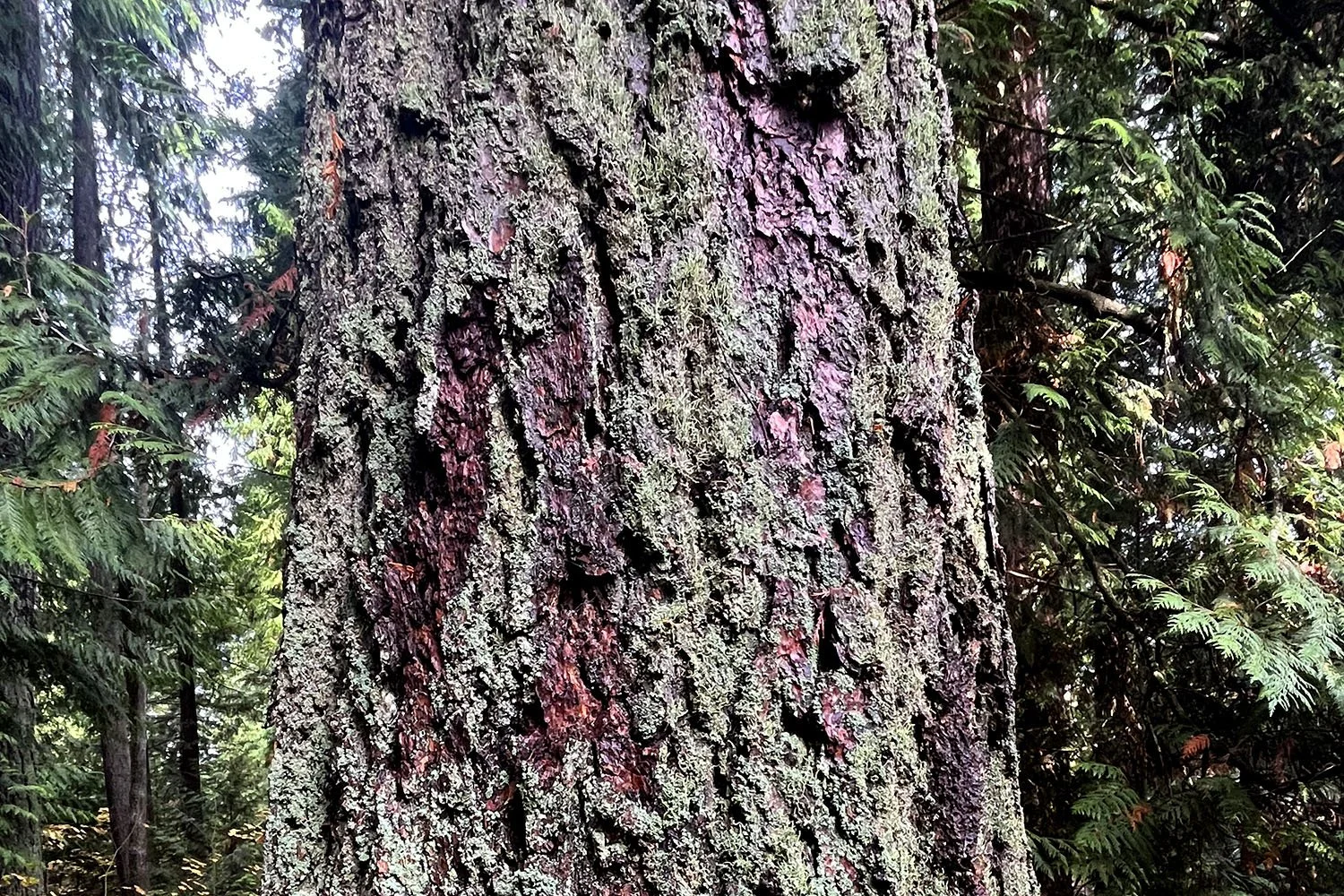
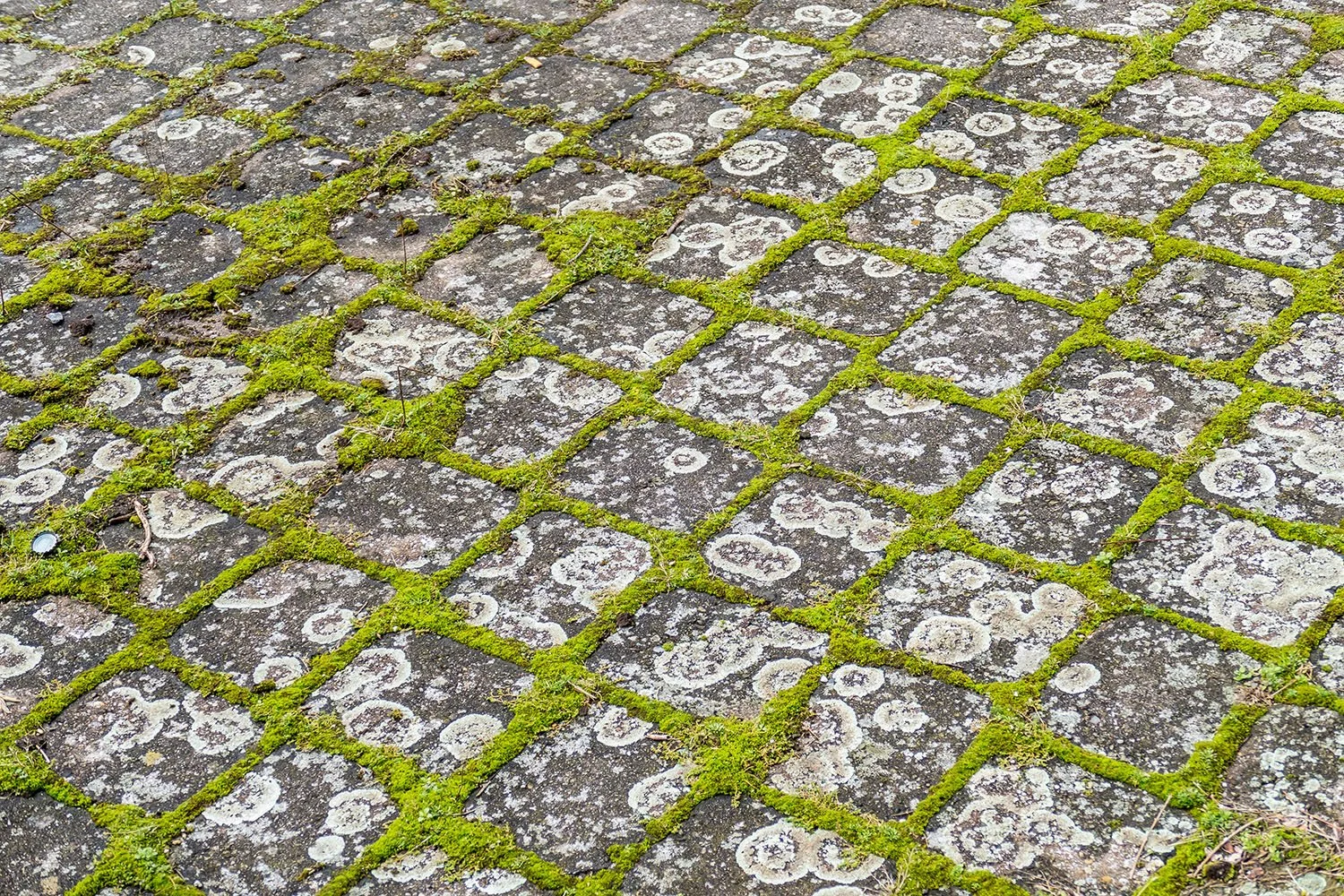
Lichens come in a wide variety of shapes and body forms. Most are classified into three main types: foliose (having a leaf-like appearance); fruticose (having a highly branched form with erect or hanging “fruiting” structures); or crustose (resembling a crust or slime on a surface). There are also intermediate and unusual forms. Some scaly types look like a cross between a crustose form and a foliose form. “Jelly” lichens live in moist areas and have a gelatinous appearance when wet.
Lichens provide a host of environmental benefits. As mentioned, they can break down rock surfaces into soil substrate, preparing it for mosses, grasses or other plants to colonize. It’s common to see lichens clinging to rocks or paving among the mosses and plants they are enabling. Light-colored species can help regulate temperature (reduce heat loss in winter and reflect heat in summer). Other types form crusts that stabilize soil, fix nitrogen, and enhance the soil’s water-holding capacity. They can even grab nitrogen from the air, adding to soil fertility. Together with mosses, lichens sequester carbon, regulate water tables, and prevent soil erosion.
Lichens provide shelter for many other organisms. They also provide food for animals (such as reindeer in winter) and materials that birds and small animals use to build homes or nests. Human uses include dyes, scents and essential oils, dating back to ancient times. While they are not overtly toxic, some lichen species produce toxic compounds, so (as with mushrooms) any use on animals or people require careful research.
Despite their resilience to harsh conditions, they are sensitive to poor air quality and pollutants. The different types vary in sensitivity, fruticose and foliose types being most sensitive (thus more common in forests where air is cleaner). Crustose types are generally most tolerant (thus more common along urban streets with greater pollution). This means that lichens are reliable indicators of local air quality. So if your trees are sporting a lot of fruticose and/or foliose lichen, it suggests that your air is pretty clean.
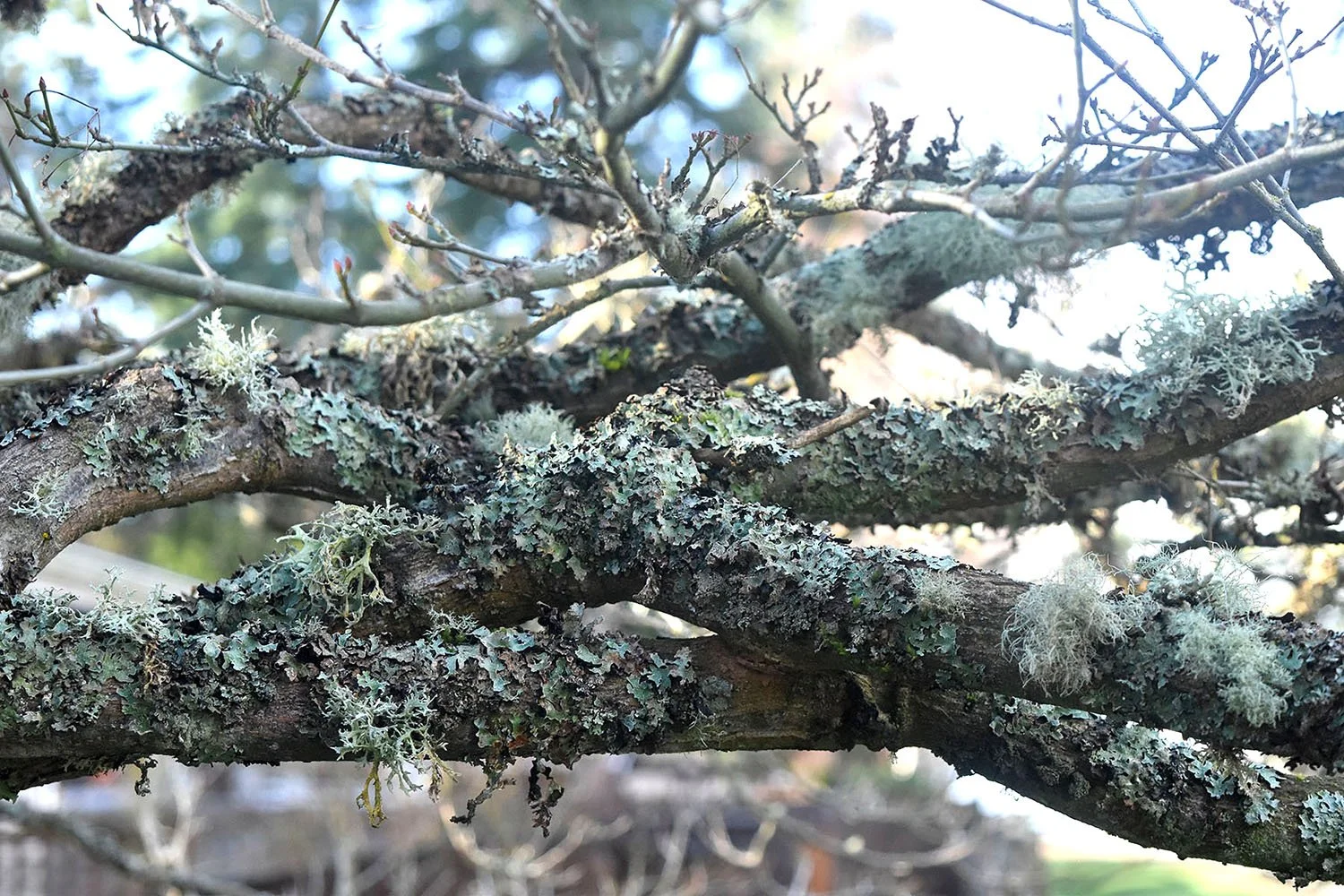
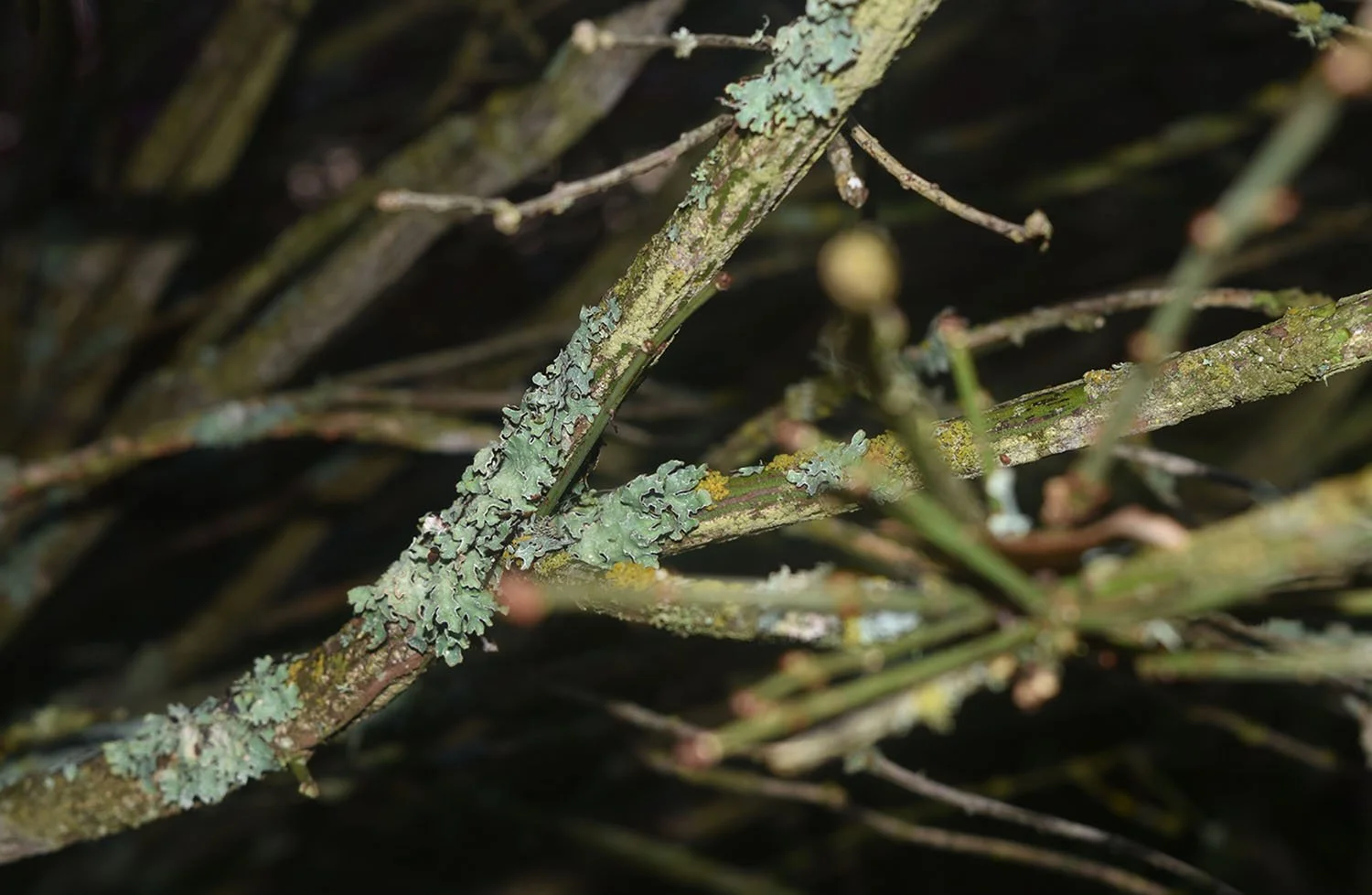
Why is it growing all over my trees and what can/should I do about it?
As mentioned, lichens do not harm trees and actually contribute a great deal to ecosystems. Resist the temptation to pick or cut them off of tree bark which can damage the bark itself.
Increased lichen growth might be simply a sign of age. Mature, but healthy, trees tend to develop more furrows or crevices on their bark (depending on species), so lichens, mosses, and other clinging organisms have more favorable surfaces on which to get a foothold. Also, individual lichens slowly grow and increase, so older trees can keep growing happy lichens.
But increased lichen growth can also hint that a tree is struggling, if that’s not apparent from other symptoms. Reduced vigor from stress, disease, pest damage, or environment can cause trees to attract more lichen due to:
Increased light penetration: If a stressed tree loses more foliage and branches, more sunlight reaches its bark surfaces, where lichen can thrive.
Slower bark growth: Many vigorous trees continuously shed and renew their outer bark, making it difficult for slow-growing lichen to establish (except on older trees or species with naturally furrowed bark). Stressed trees have slower bark turnover, providing stable surfaces for lichen.
Reduced tree defenses: A vigorous tree produces compounds and maintains bark characteristics that naturally discourage epiphytic growth (a category of plants and plant-like organisms that grow on the surface of another plant). A declining tree may lose some of these protective mechanisms.
If you suspect that lichen growth is accelerating on your tree due to loss of vigor, the best approach is to improve your tree’s base health. This might include adding compost over the root zone, fertilizing, consistent watering, and treating any pest or disease issues.
So try to foster healthy, full-leaved trees for a long life. But enjoy those weird-looking lichens and appreciate all they are doing for us behind the scenes!