
Many shrubs bloom in spring, and there are lots of choices for gorgeous fall foliage, but it can be harder to find the right stand-out shrub to highlight your garden in the summer months, especially if you are trying to complement colorful summer perennial or annual flowers. Here are a few of our favorites for summer flowers and interesting summer foliage.
Note: availability of the listed plants may vary. Please ask us about alternatives and complementary plants!
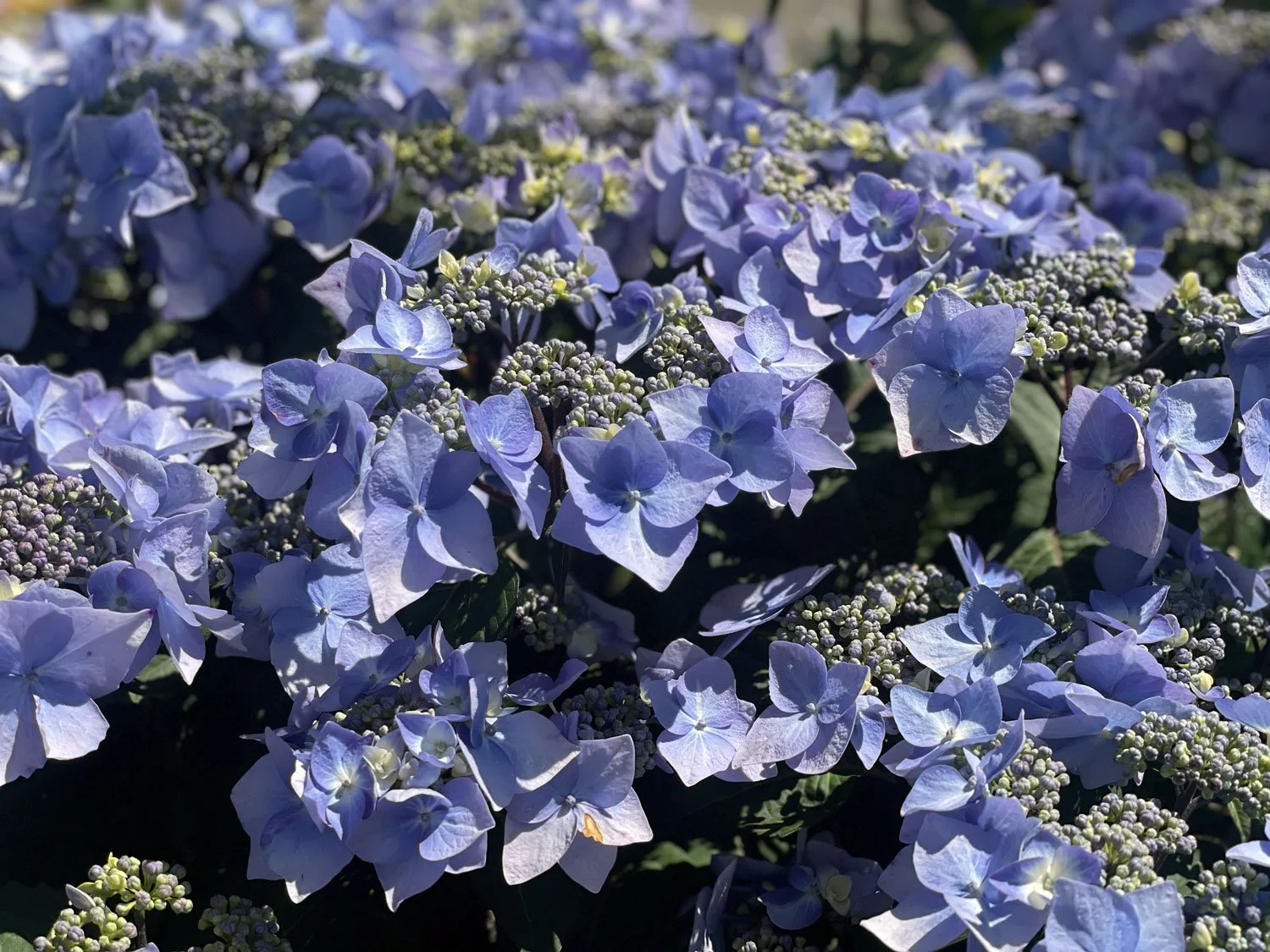
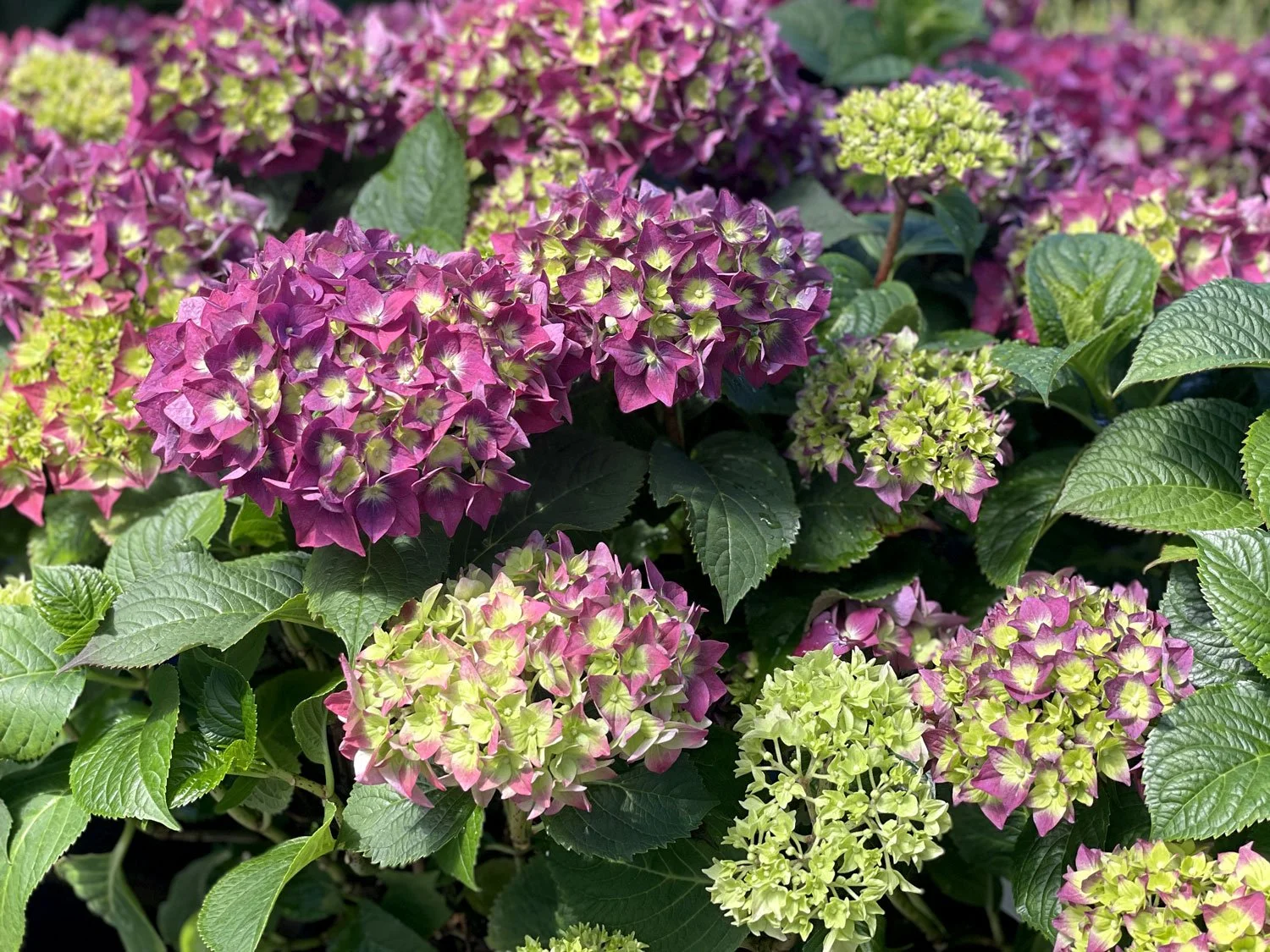
Hydrangea (hydrangea spp.)
There is really nothing else to compare with the multi-season interest of a Hydrangea. Generally, Hydrangeas fall into these categories: Macrophylla (mophead or lace-cap flowers, some of whose flowers can change color depending on soil pH), Paniculata (sun-lover with flowers that change from green to white to pink to red as they age), Serrata (lace-cap flowers and nice fall color), Quercifolia (beautiful fall color on oak-shaped leaves, white conical flowers). Full to part sun, depending on species. 5-15 ft., depending on the variety.
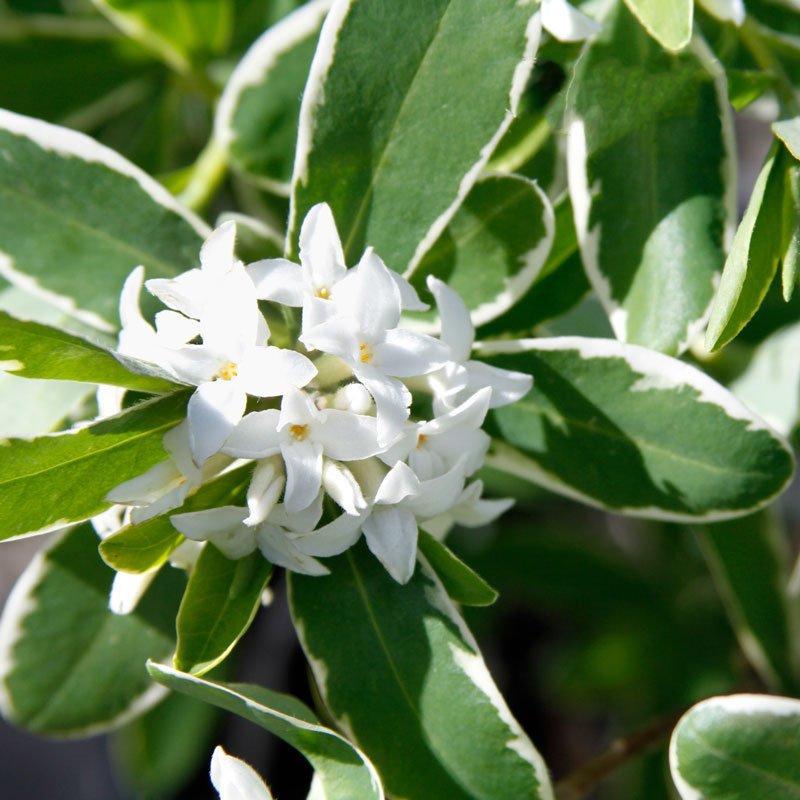
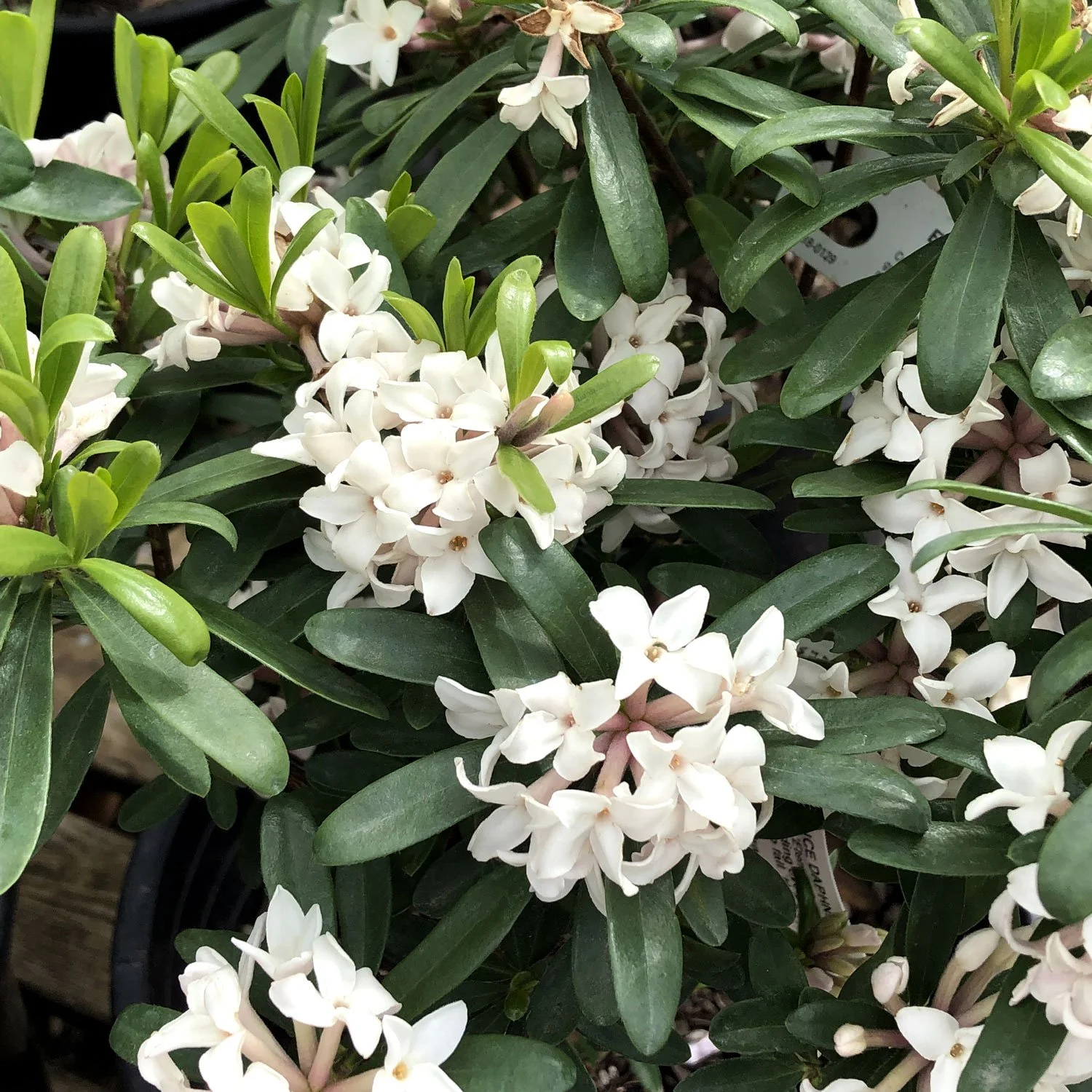
Daphne (Daphne spp.)
With a tidy habit and both winter- and summer-blooming varieties, this evergreen shrub is a great choice for the garden. Summer-blooming Daphnes will bloom on and off throughout the summer and provide a delicious, wafting fragrance. Grows well in sunny, rocky areas with well-draining soil. Up to 3-4 ft. tall and 4-6 ft. wide, depending on the variety.
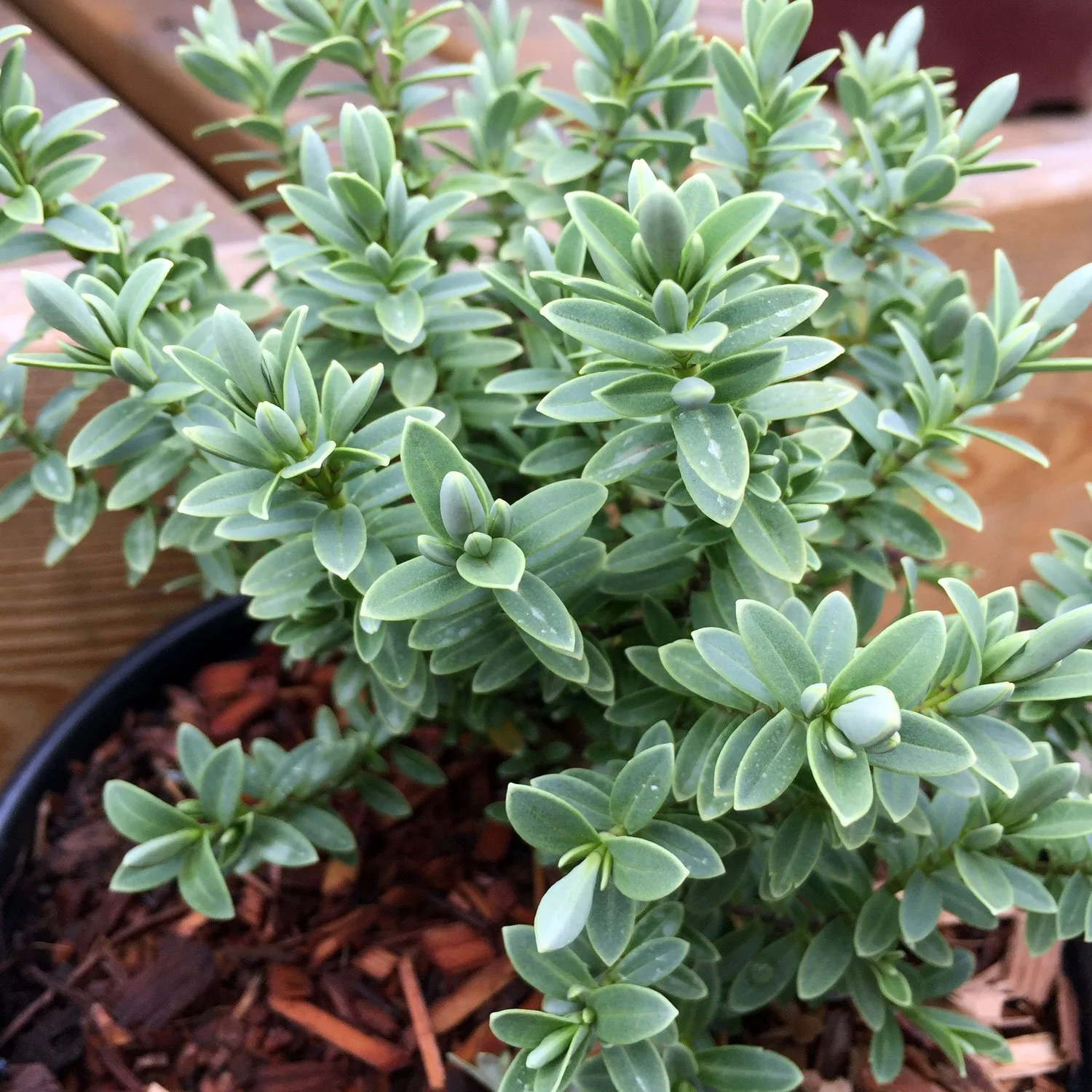
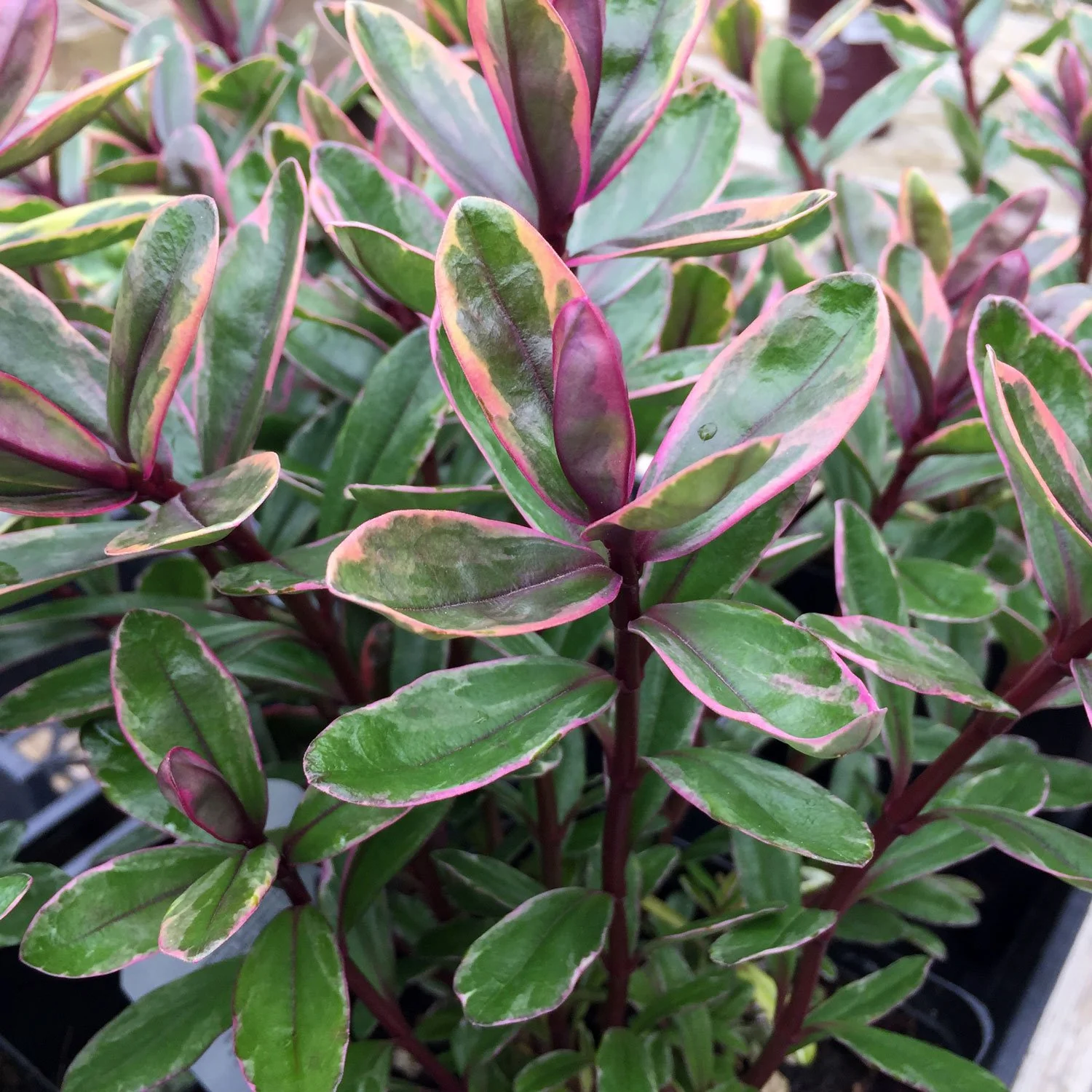
Hebe (Hebe spp.)
An amazing array of colors, sizes, and leaf shapes means there is a Hebe for every area of the garden. Perfect for pots and dry, rocky areas, hebes bloom in early summer with flower colors of white, red, pink, and purple. Their foliage is equally colorful, with leaves ranging from silvery green to burgundy, some variegated. Bigleaf varieties should be protected from the cold winter wind. Sun to part shade. 1-6 ft. tall and 4-5 ft. wide, depending on the variety.
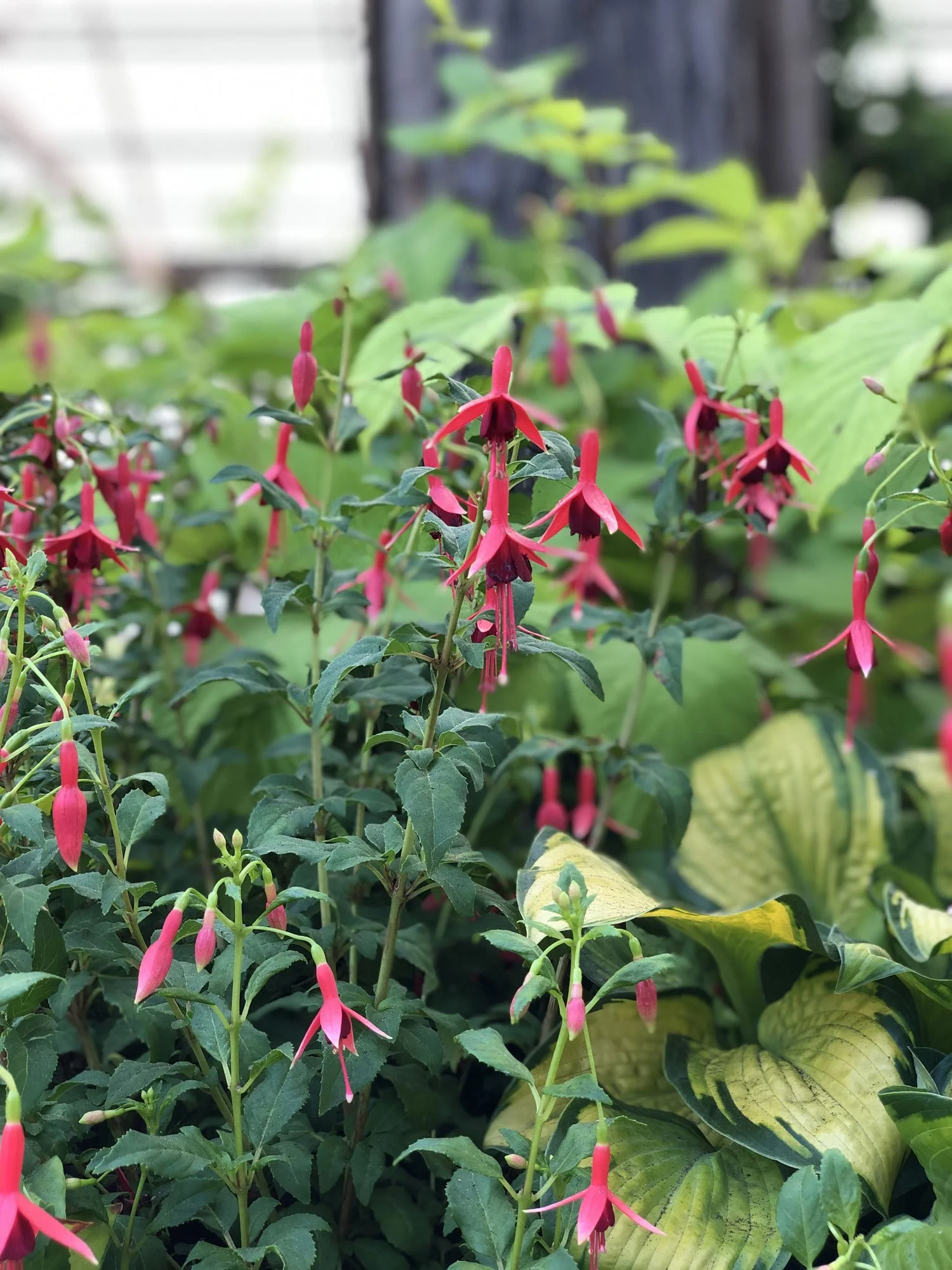
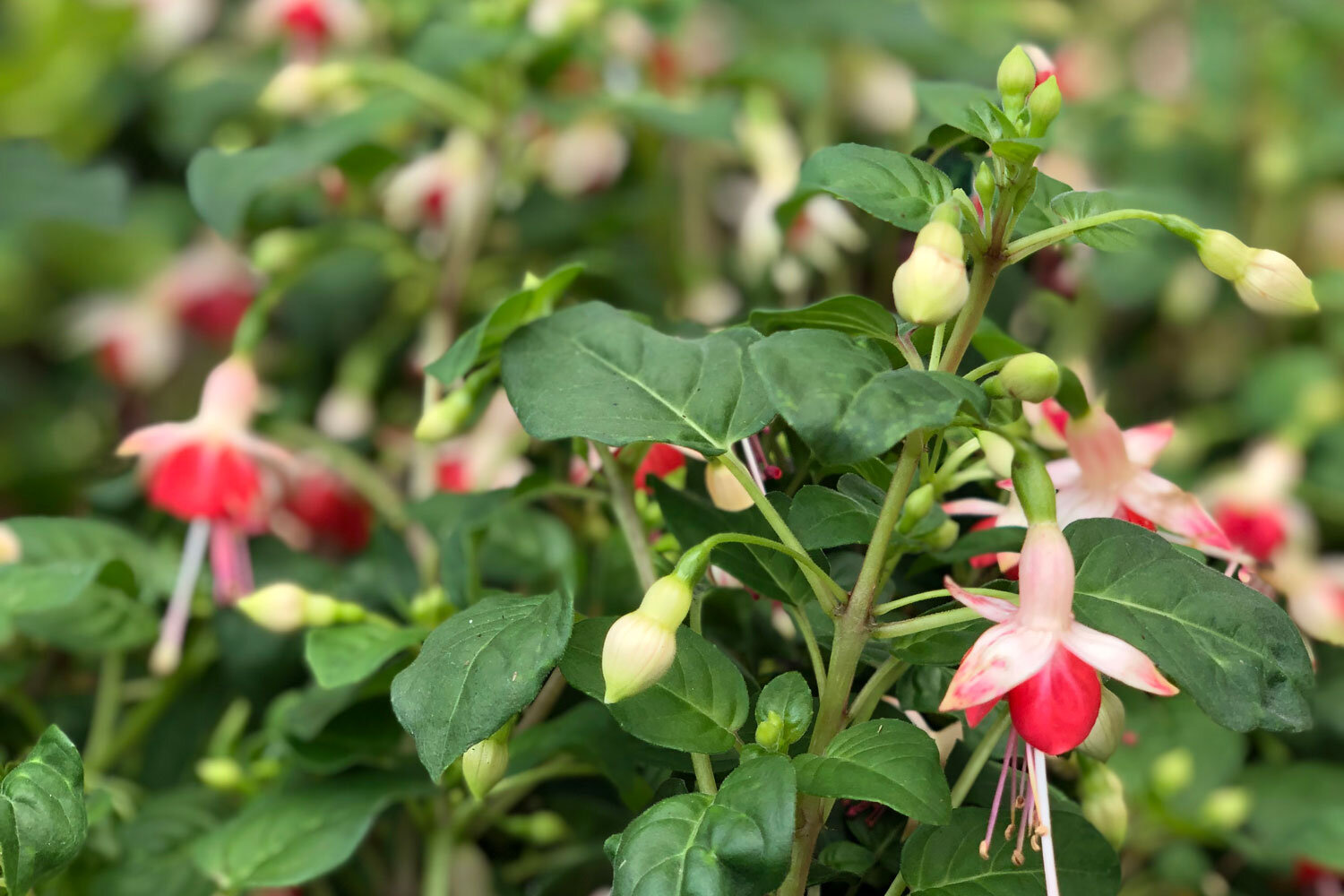
Hardy Fuchsia (Fuchsia spp.)
Hummingbirds adore this floriferous perennial, which blooms all summer and into fall. Many Fuchsias have lovely bi-colored blooms and there are many flower colors and sizes to choose from. Fuchsia grows well in sun or shade but more sun equals more flowers. However, avoid too much heat or hot afternoon sun. Size varies greatly depending on the variety.
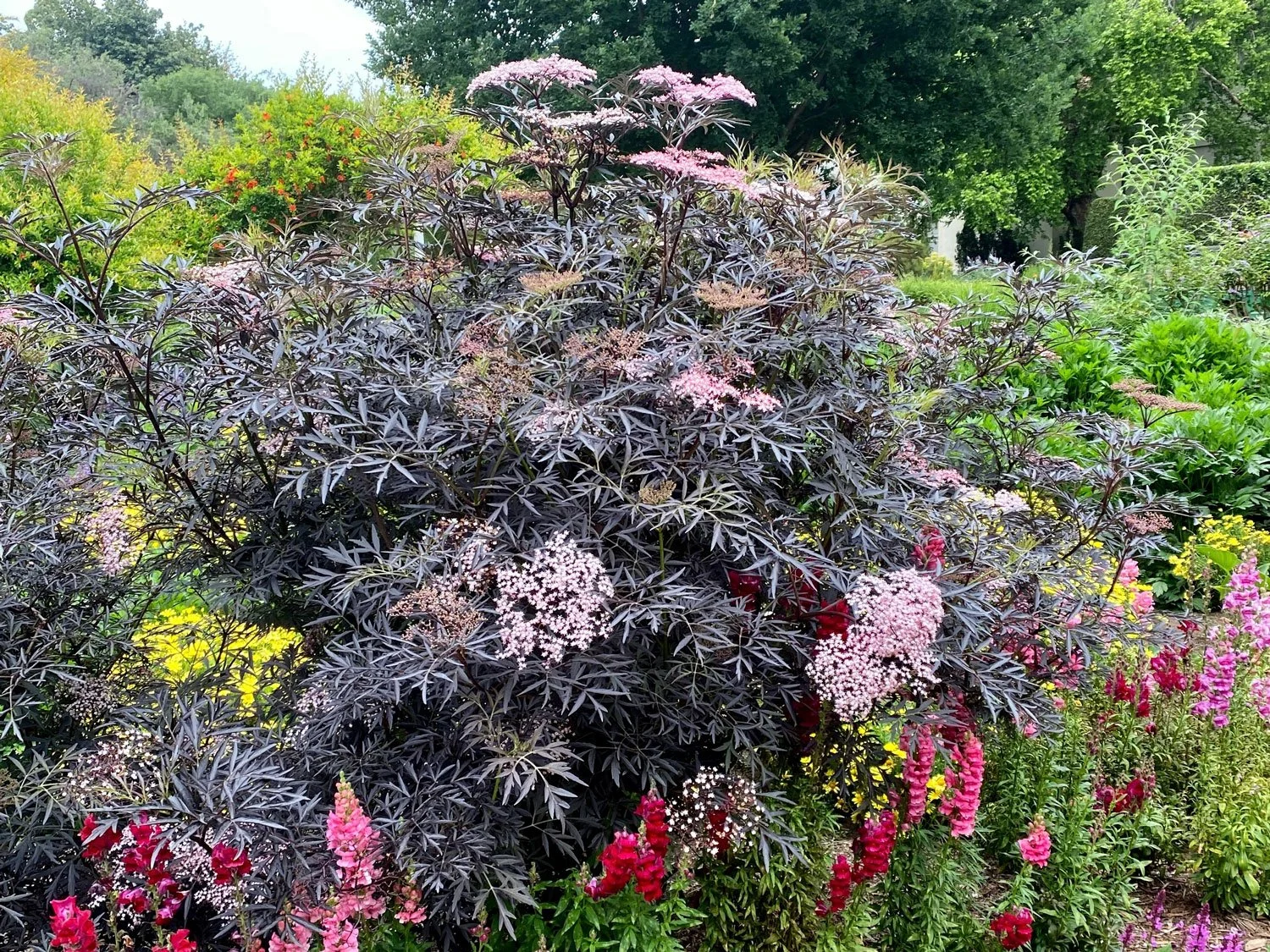
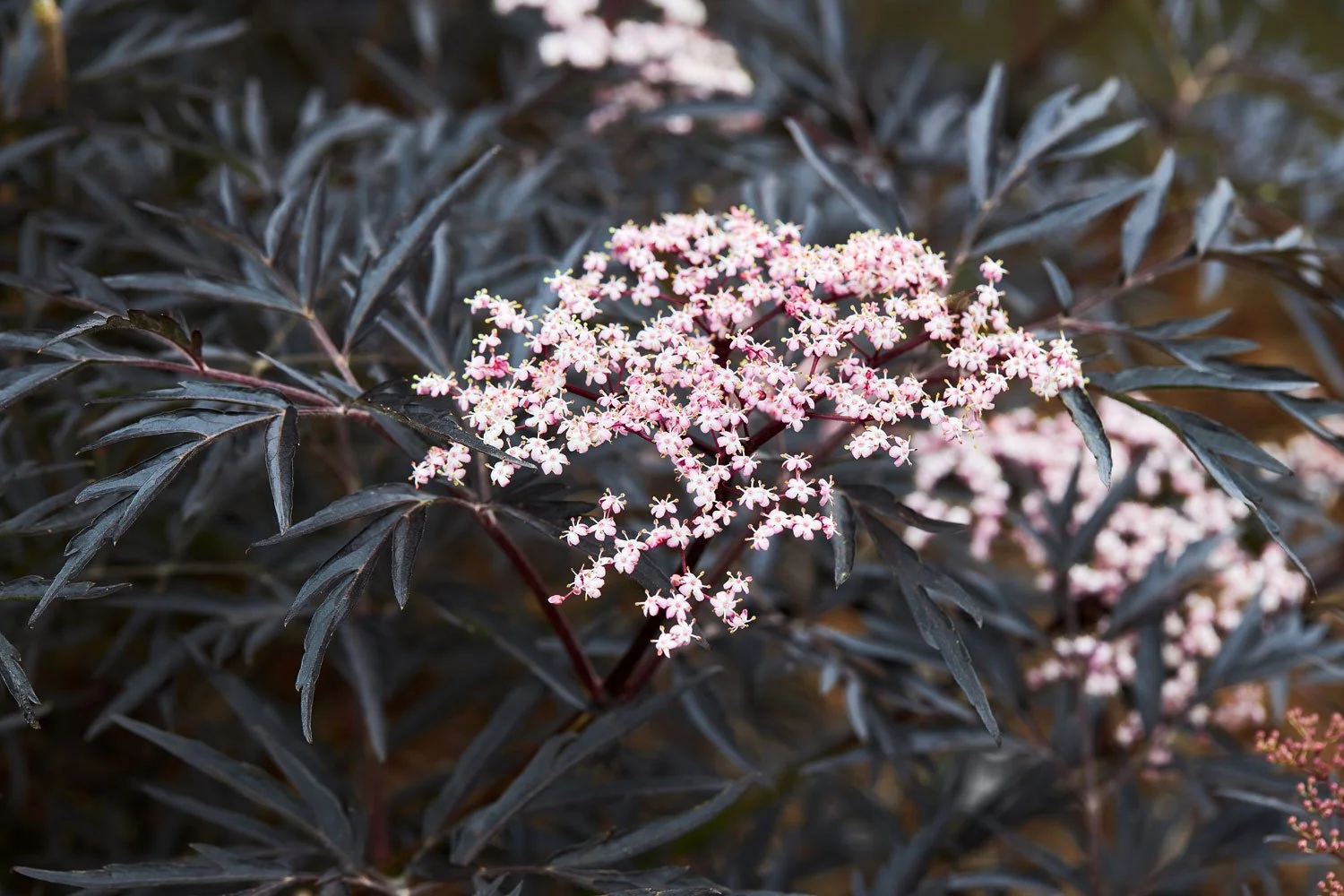
Black Lace Elderberry (Sambucus nigra)
With dramatic purple-black foliage and large umbels of pink flowers in early summer, this is a statement shrub. If there is a compatible variety of elderberry nearby, you’ll also get a bonus of black berries. Best in full sun to part sun. Prefers to stay evenly moist and can be grown in wet soils. Deciduous. 6-8 ft. tall and wide.
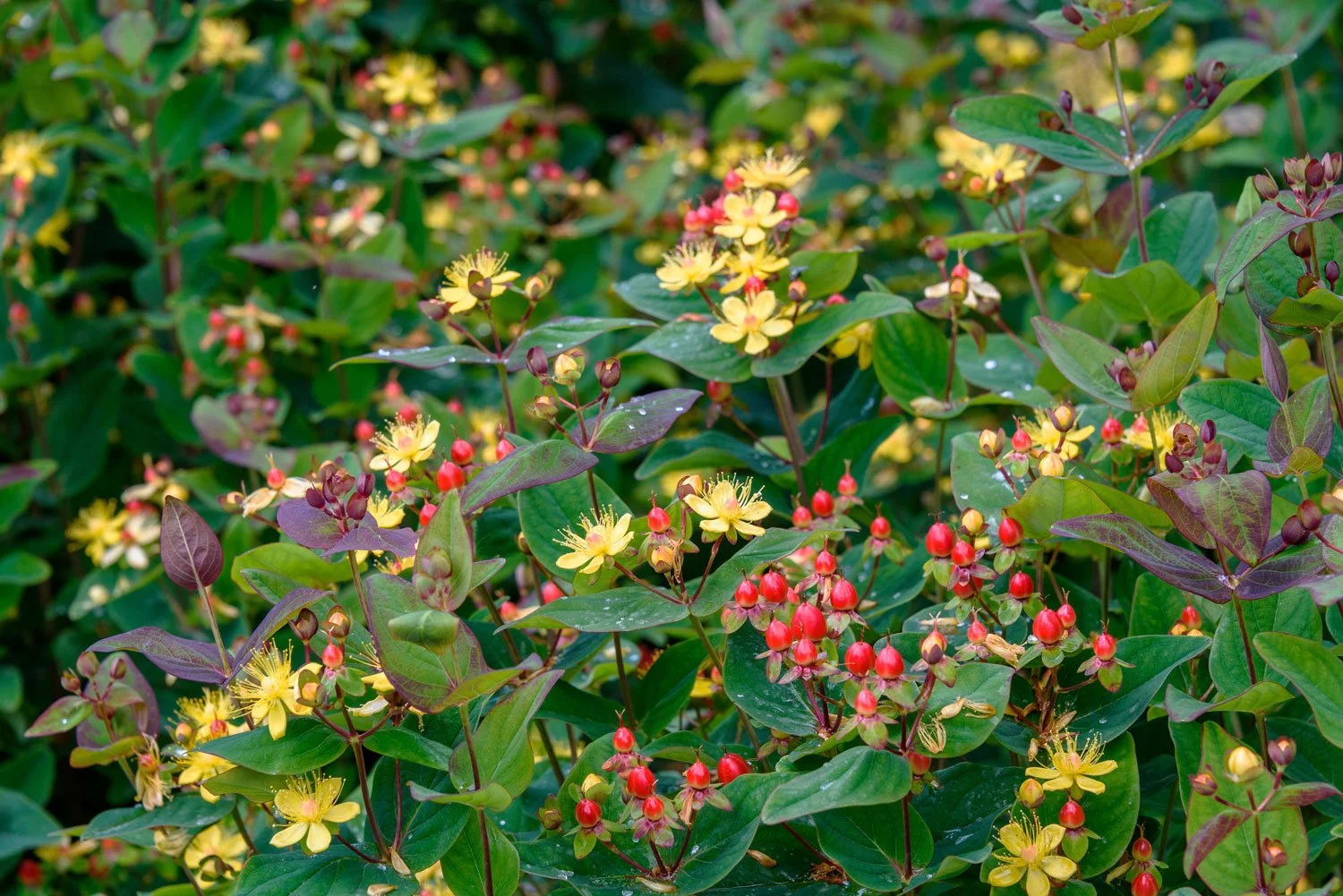
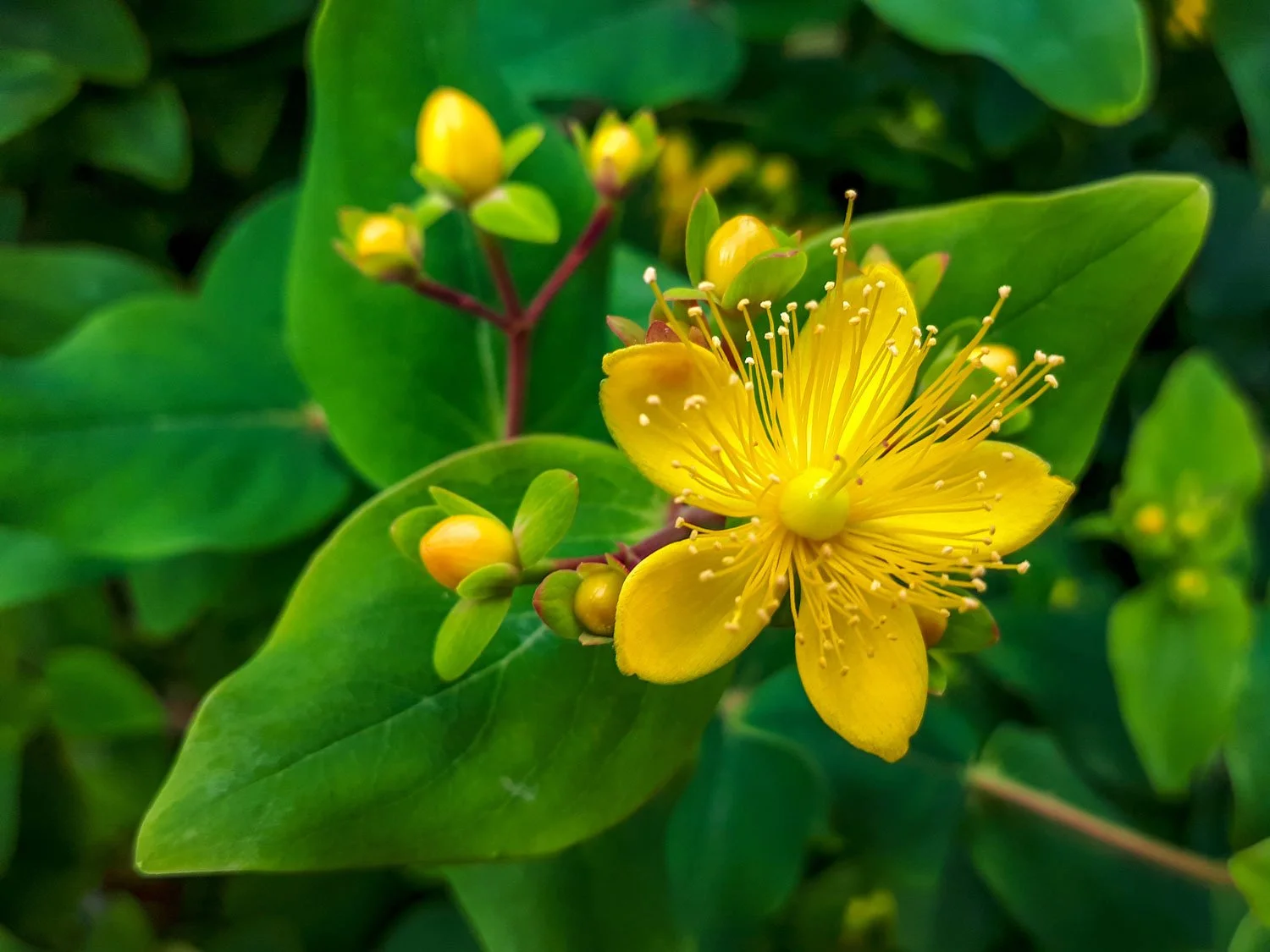
St. John’s Wort (Hypericum spp.)
St. John’s Wort can be a groundcover or an upright shrub, depending on the species. Bright yellow flowers appear in early summer, followed by white, yellow, orange, or red fruit that has medicinal properties. The name, Saint John’s wort, comes from the day it can usually be harvested, the feast of Saint John. Sun to shade. Up to 5 ft. tall and wide, depending on the variety.

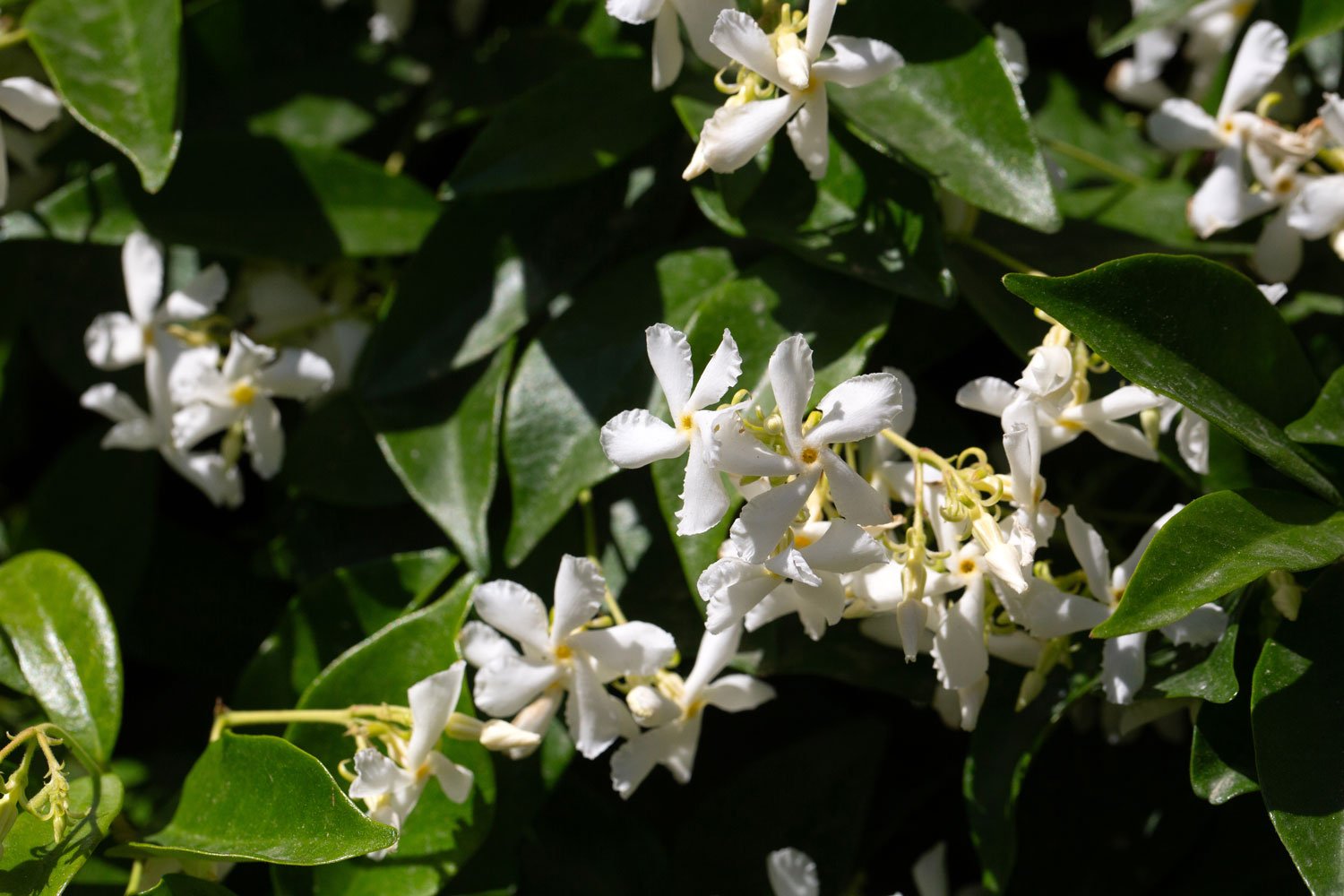
Star Jasmine (Trachelospermum jasminoides)
Star Jasmine isn’t technically a shrub, it’s a climbing vine, but we couldn’t resist including it on our list! Plus, you can grow it as a shrub with vigilant pruning. This fragrant evergreen blooms all summer with white, star-shaped flowers. Full sun is preferred as shade can cause soils to stay too soggy over the winter months. Up to 20 ft. with support.
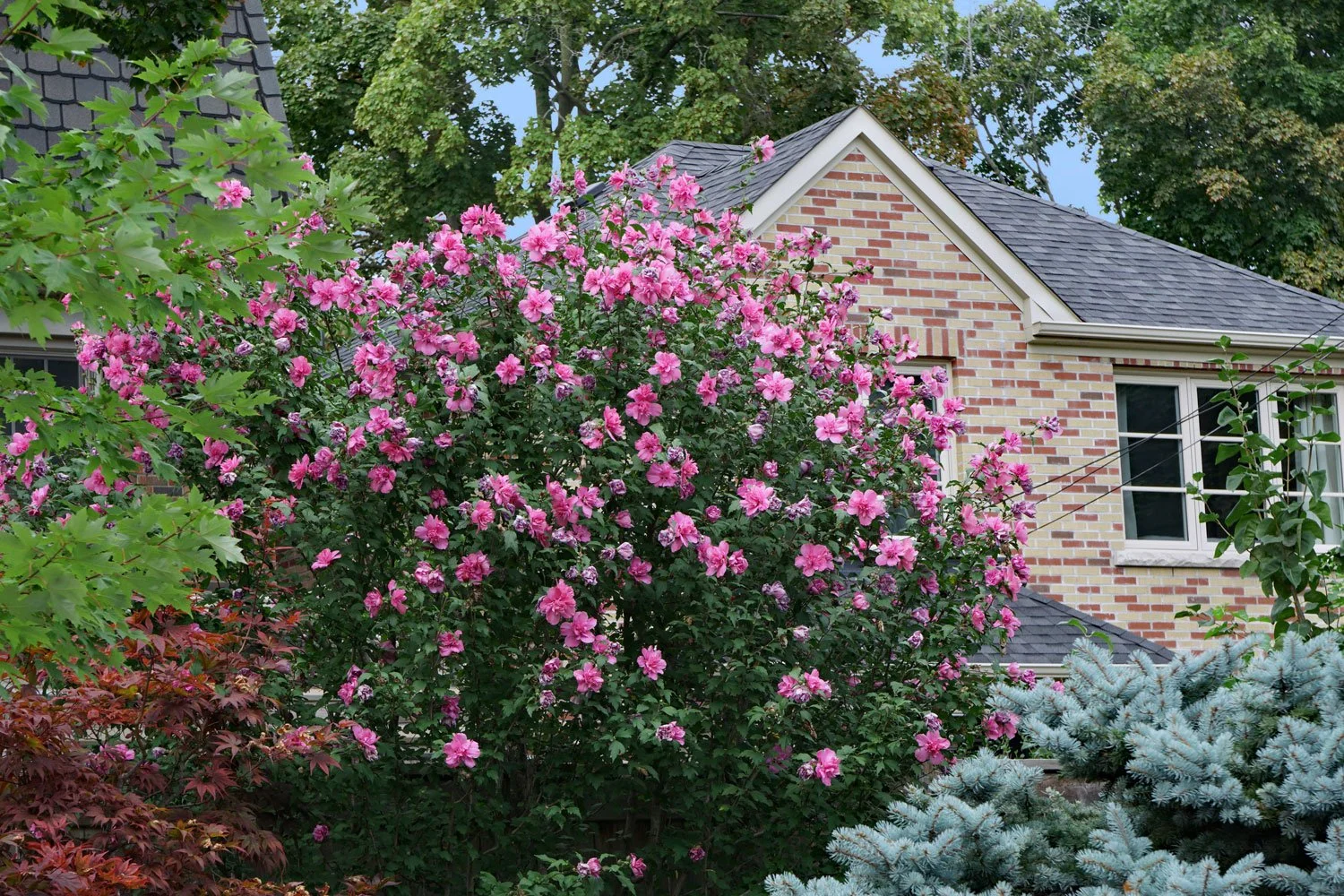
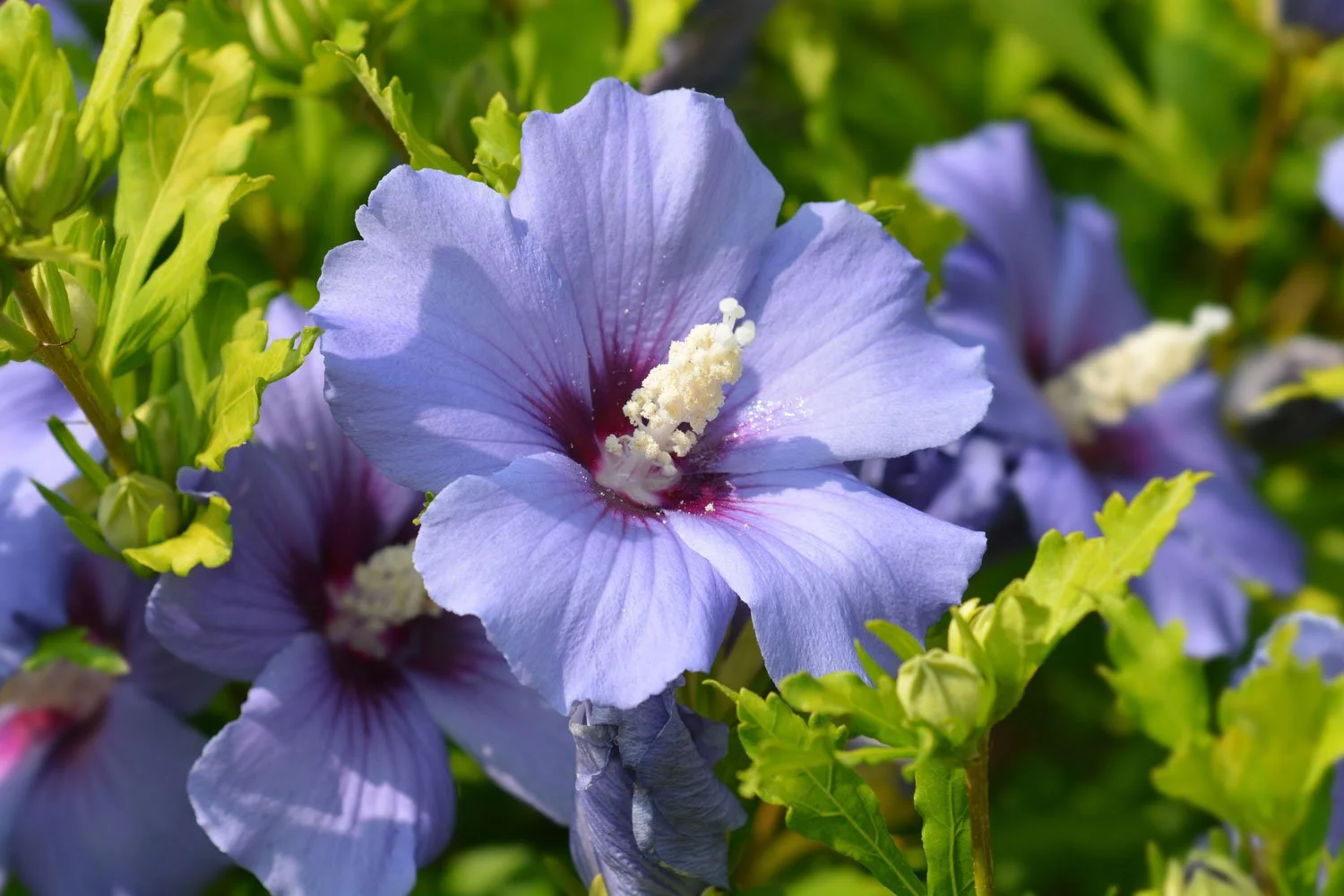
Rose of Sharon (Hibiscus syriacus)
Great for adding tropical flair to the garden, these deciduous shrubs differ from both tropical and perennial hibiscus in that they are hardy in our climate and do not die back to the ground in winter. Their beautiful flowers come in an array of colors: white, light and bright pinks, lavender, and purples. Some flowers are bi-colored, and all attract pollinators. Plant in full sun to very light shade. Rose of Sharon is a low-maintenance shrub that can tolerate poor soil and is drought-tolerant once established. 6-16 ft. tall and 2-10 ft. wide, depending on variety.
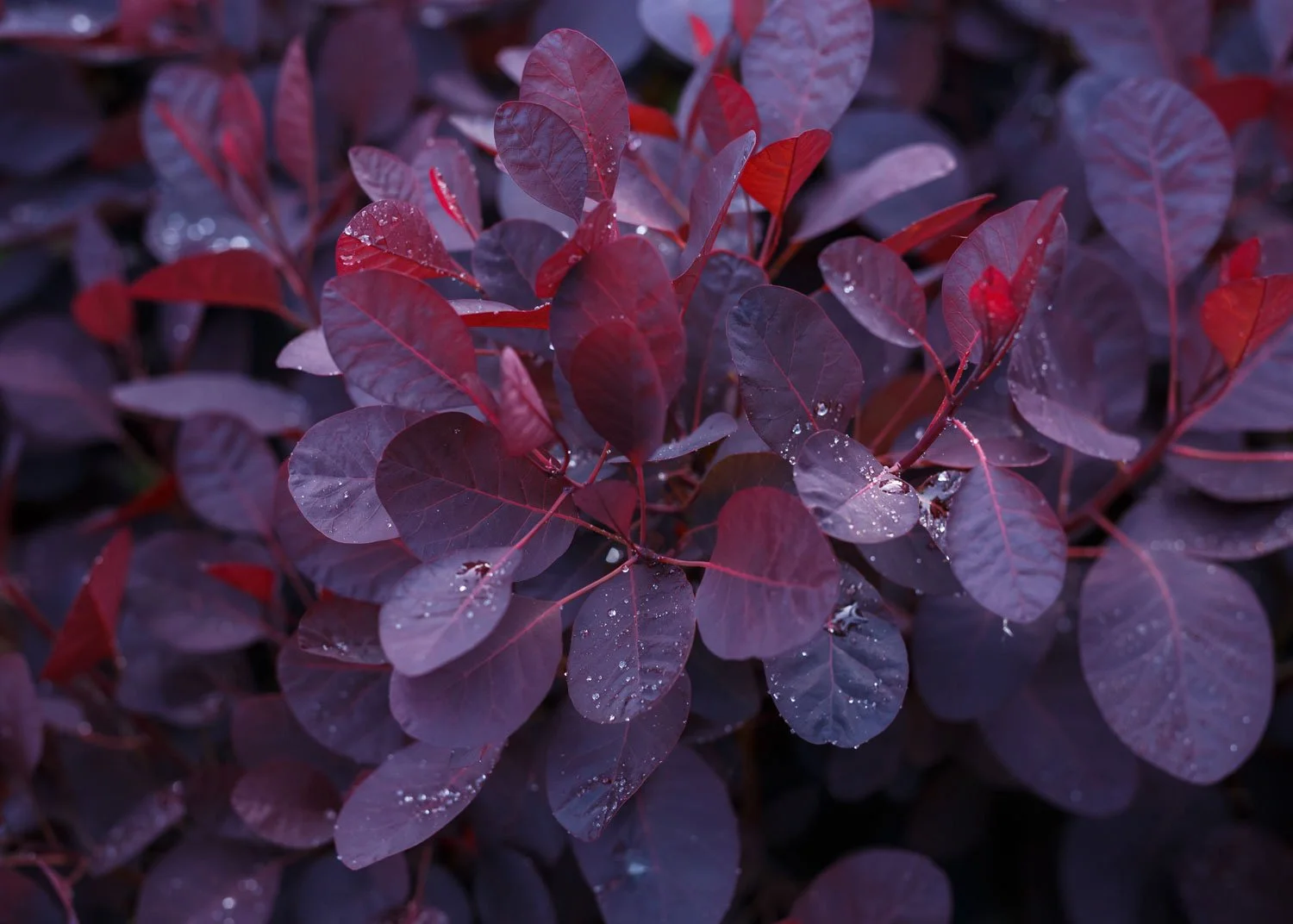
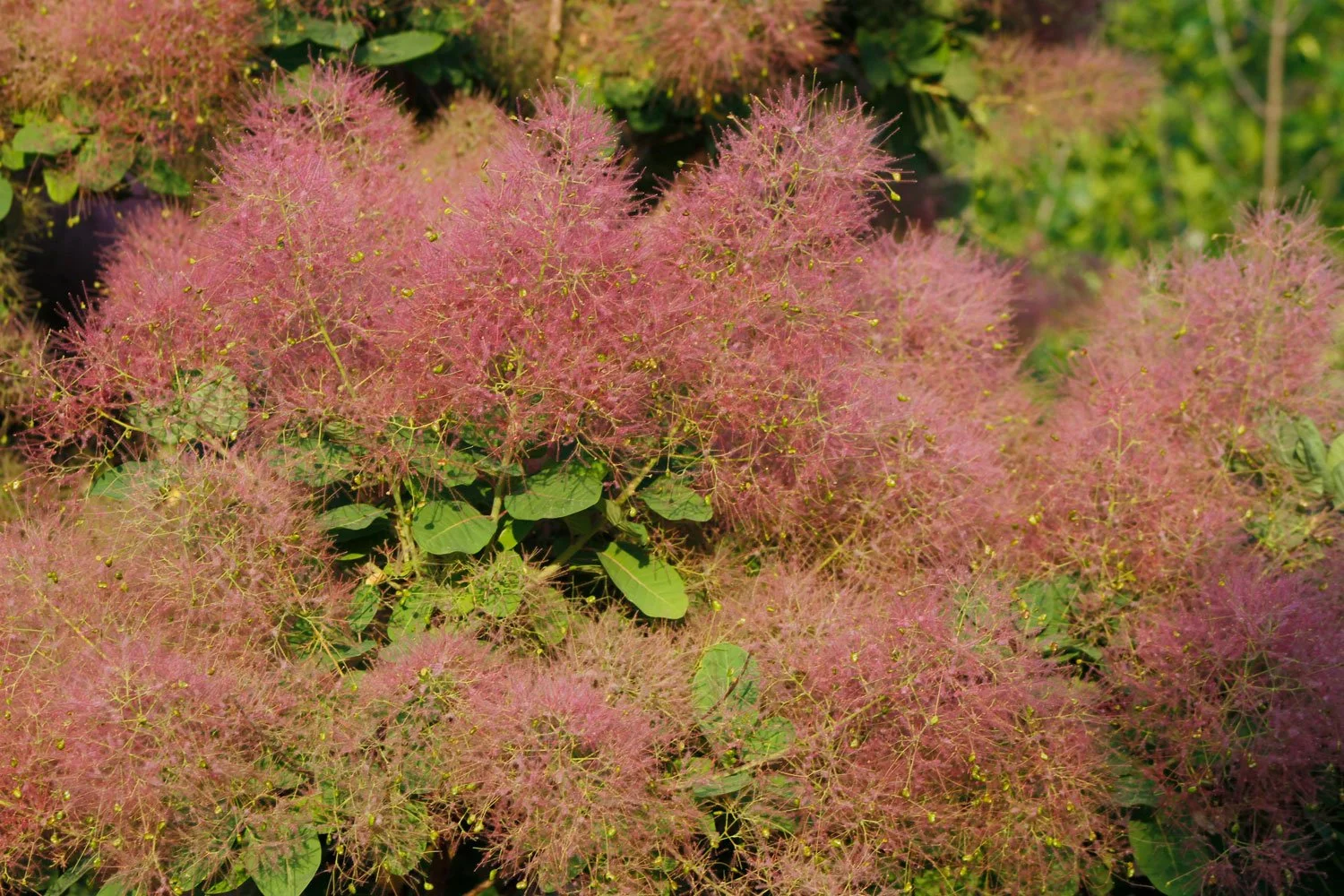
Smoke Bush (Cotinus coggygria)
This is a fantastic shrub or small tree, offering dramatic plumes of flowers mid-summer through fall and spectacular fall color. Foliage ranges from green to deep burgundy and purple, with the green varieties offering the most dramatic fall color change. Very drought-tolerant and prefers full sun to part shade. 4-15 ft. tall and wide, depending on the variety. Can be pruned for size.
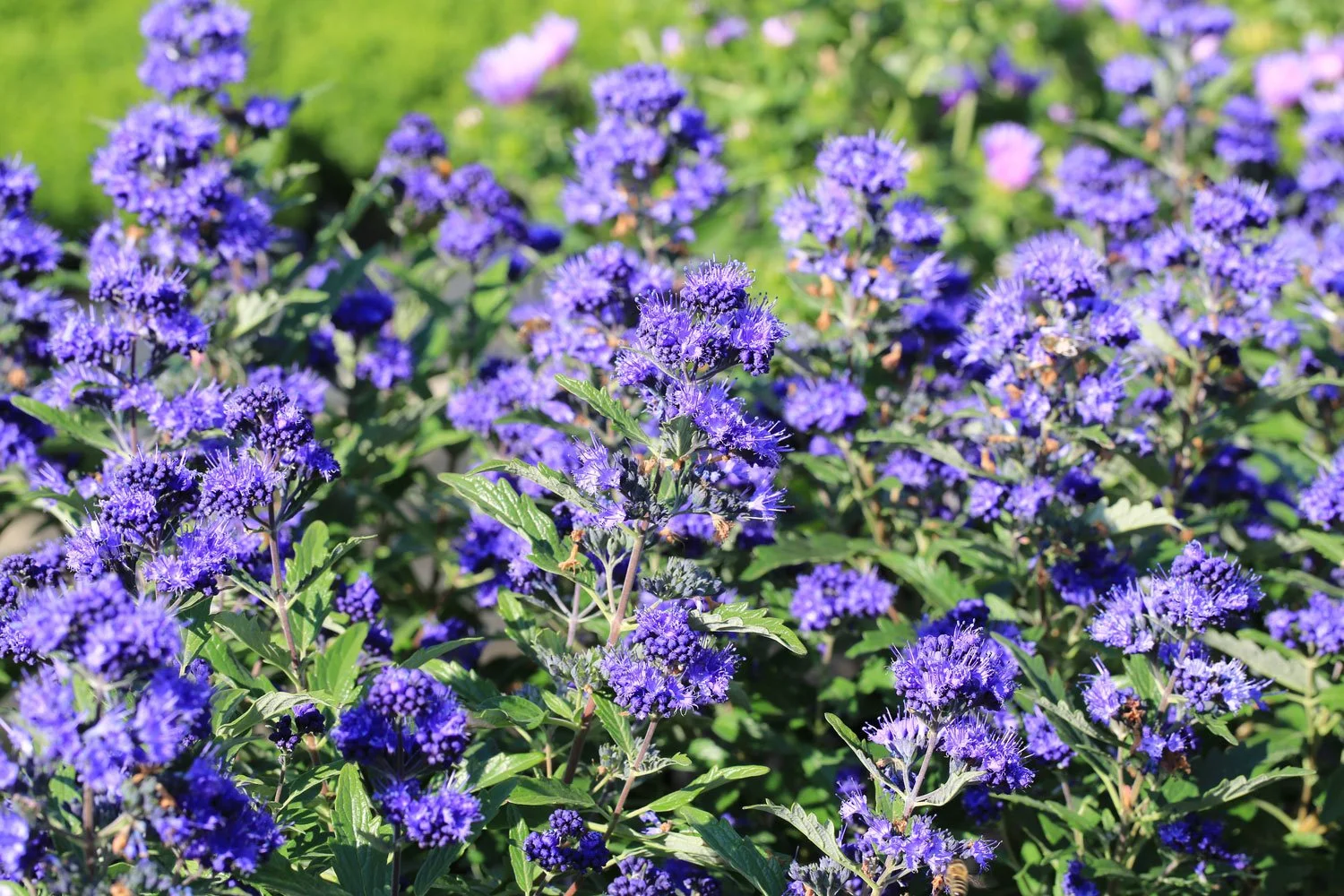
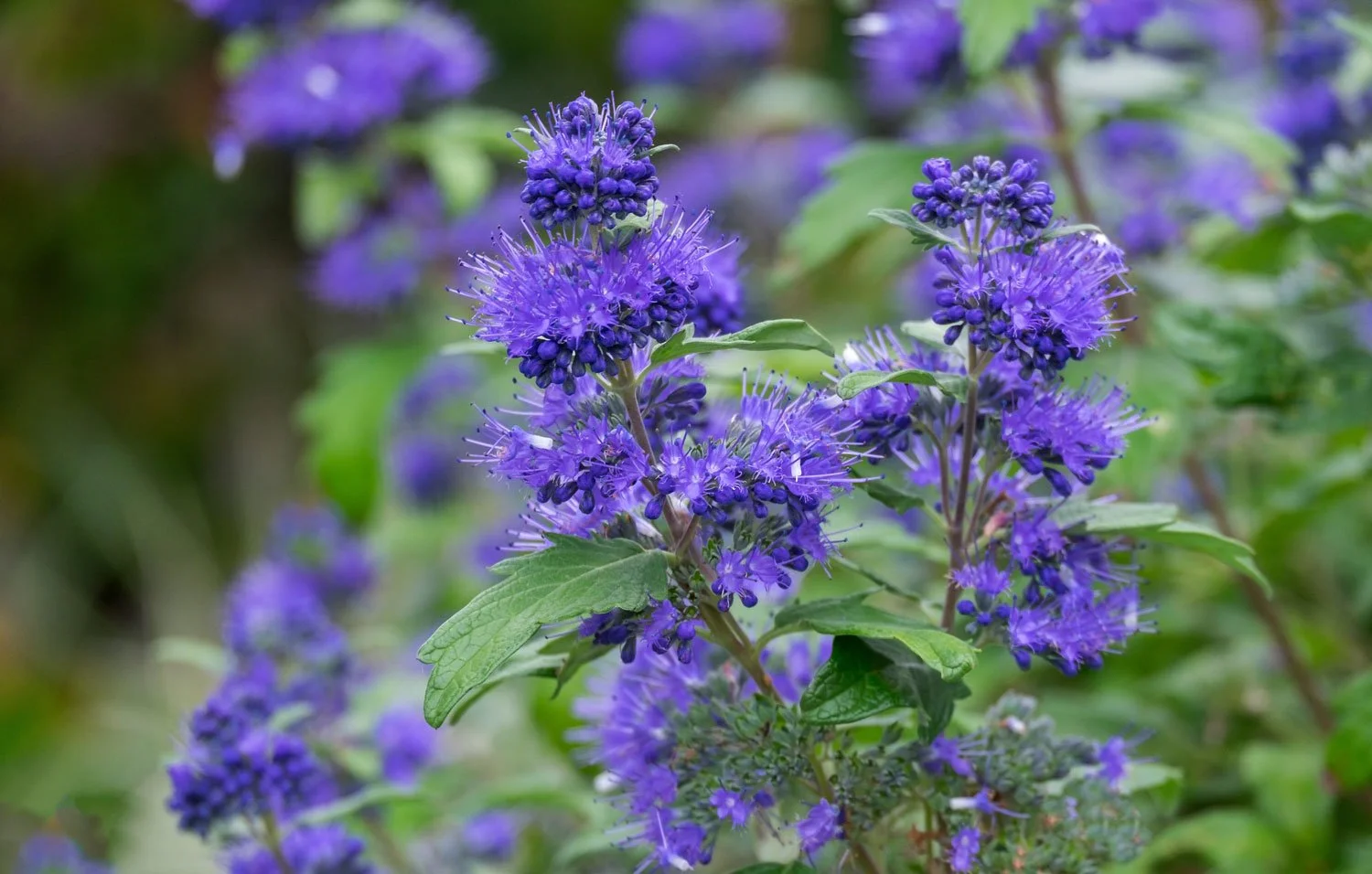
Bluebeard (Caryopteris spp.)
Stunning blue or pink flowers in late summer and fall make this deciduous shrub a magnet for bees, butterflies, and hummingbirds, and adds color to the garden when many flowers have stopped blooming. Some varieties have variegated or golden foliage. Very drought tolerant - great for the parking strip. Full sun. 2-5 ft. tall and wide, depending on the variety.
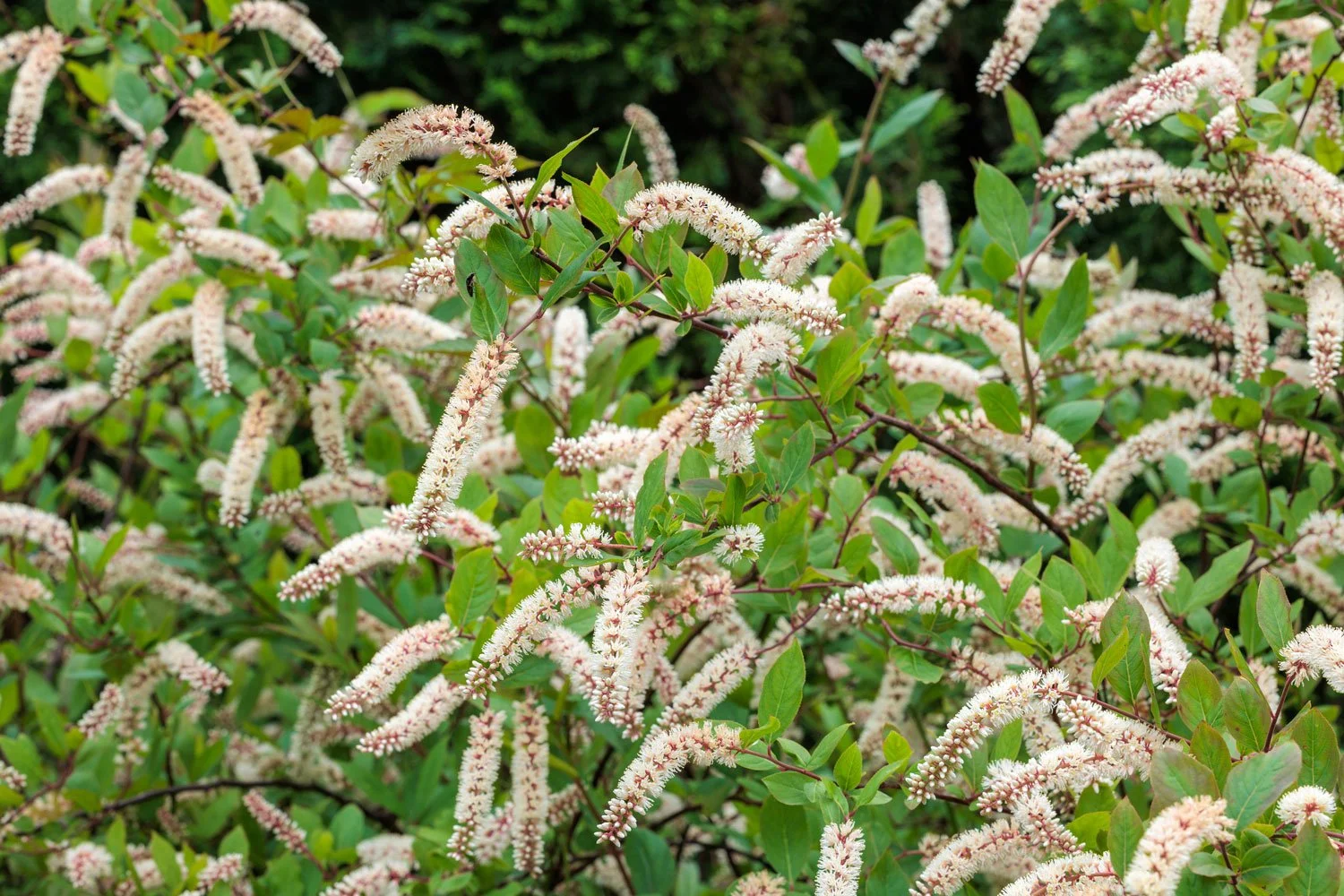
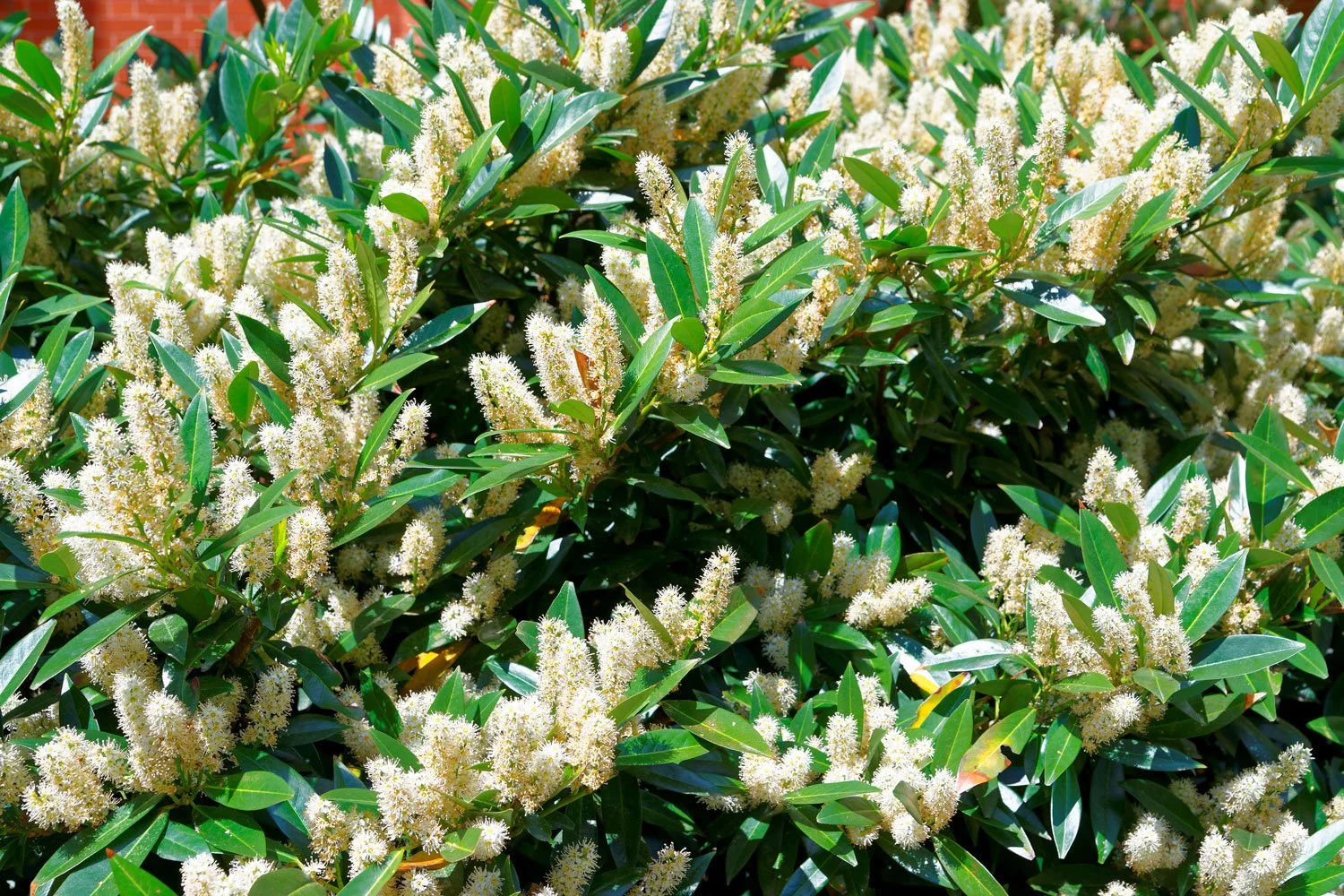
Sweetspire (Itea virginica)
Little known on the west coast, this shrub blooms in early summer with white pendulous panicles. It also has awesome fall color with leaves that turn shades of red, orange, and gold, and which holds well into winter. Plant in sun to shade; it’s very versatile! 2-5 ft. tall and wide, depending on the variety.
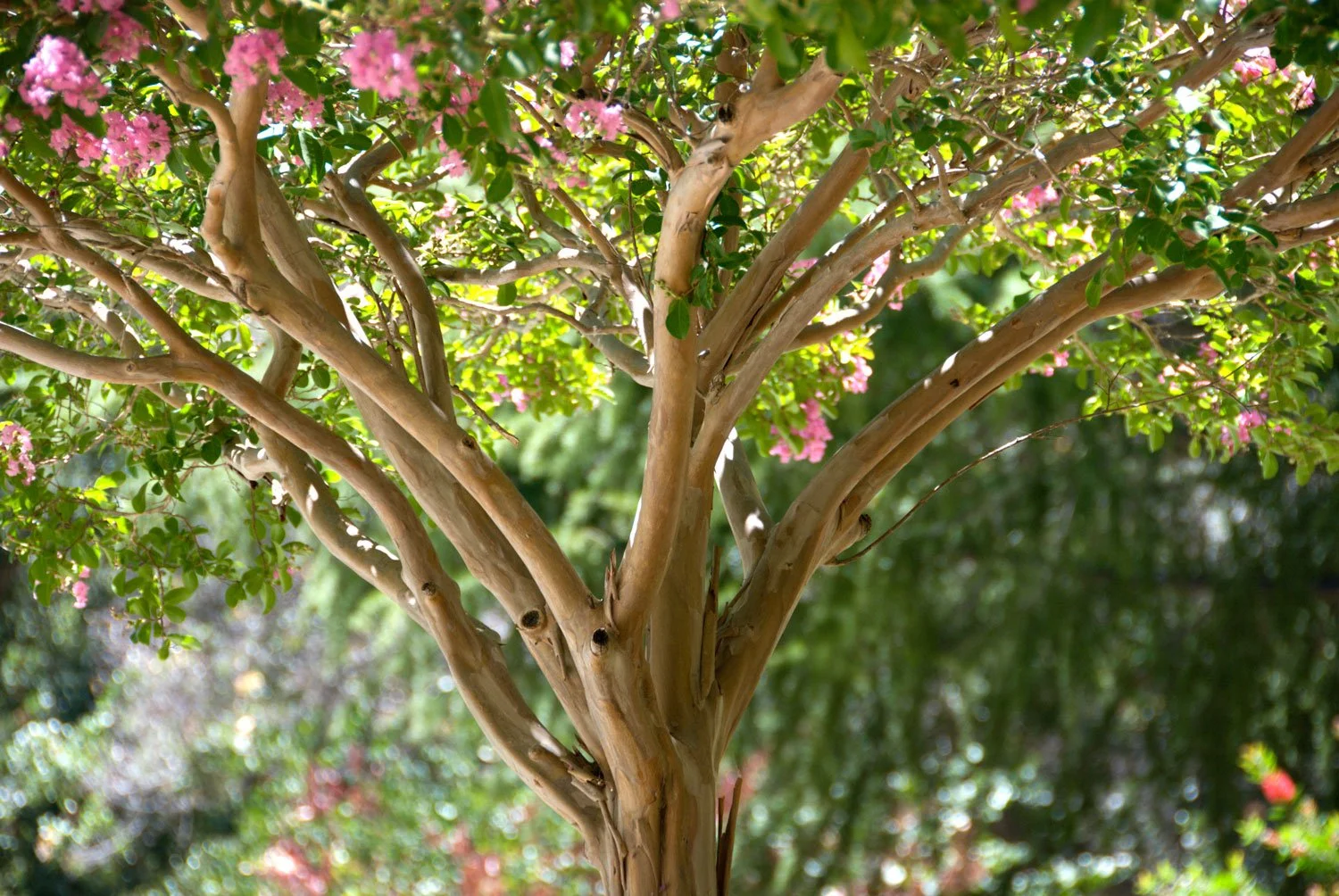
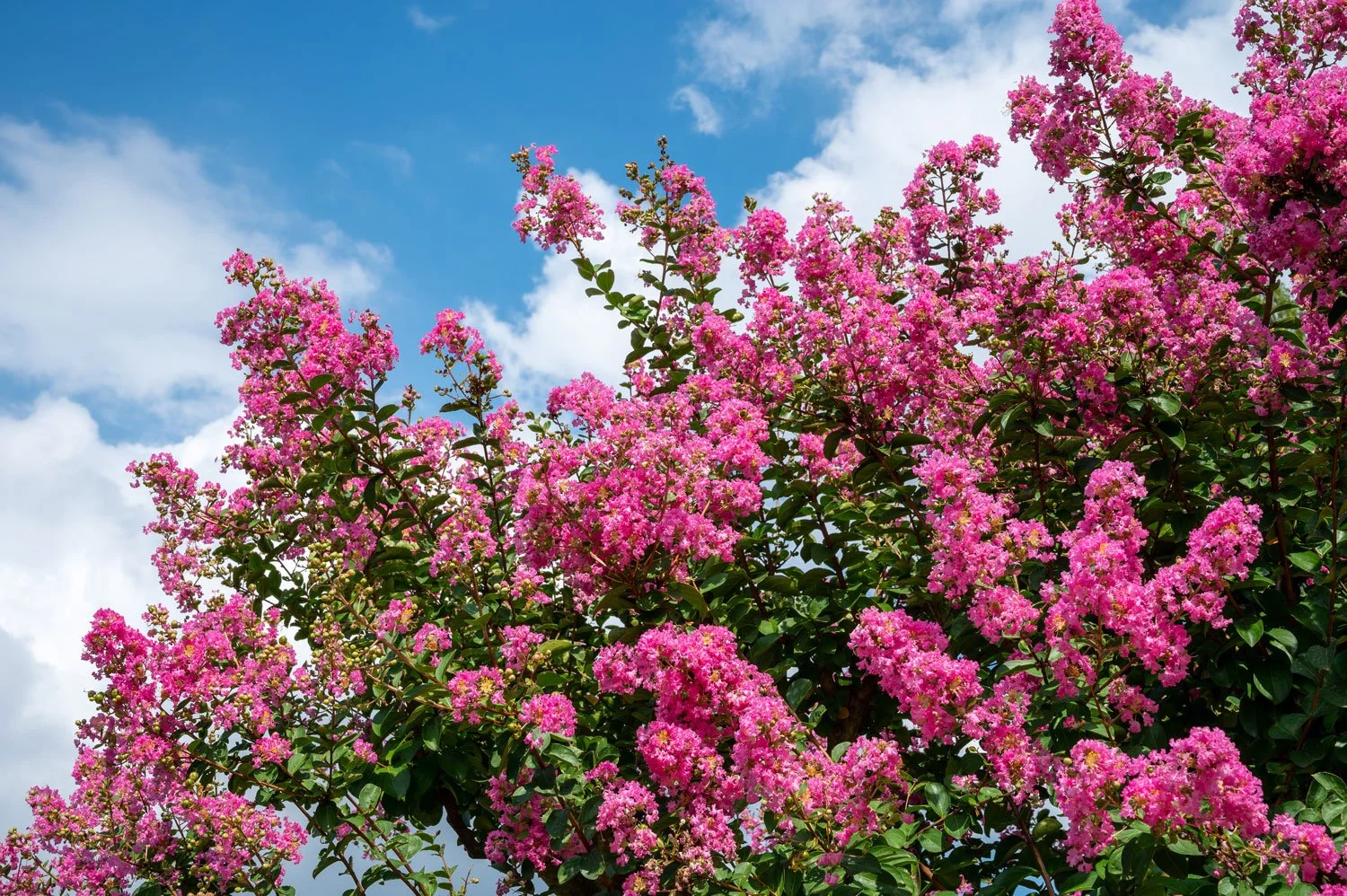
Crape Myrtle (Lagerstroemia spp.)
Lagerstroemia has an upright form, great fall color, and interesting peeling bark, making it a great multi-season shrub. It thrives in full sun and, with enough heat, will bloom late summer to fall. In our PNW climate, crape myrtle may not bloom every year but it is a gorgeous addition to the garden even without blooms. 4-25 ft. tall, depending on the variety.
Visit us for more information and suggestions tailored to your specific site!
This blog was updated for 2026.