
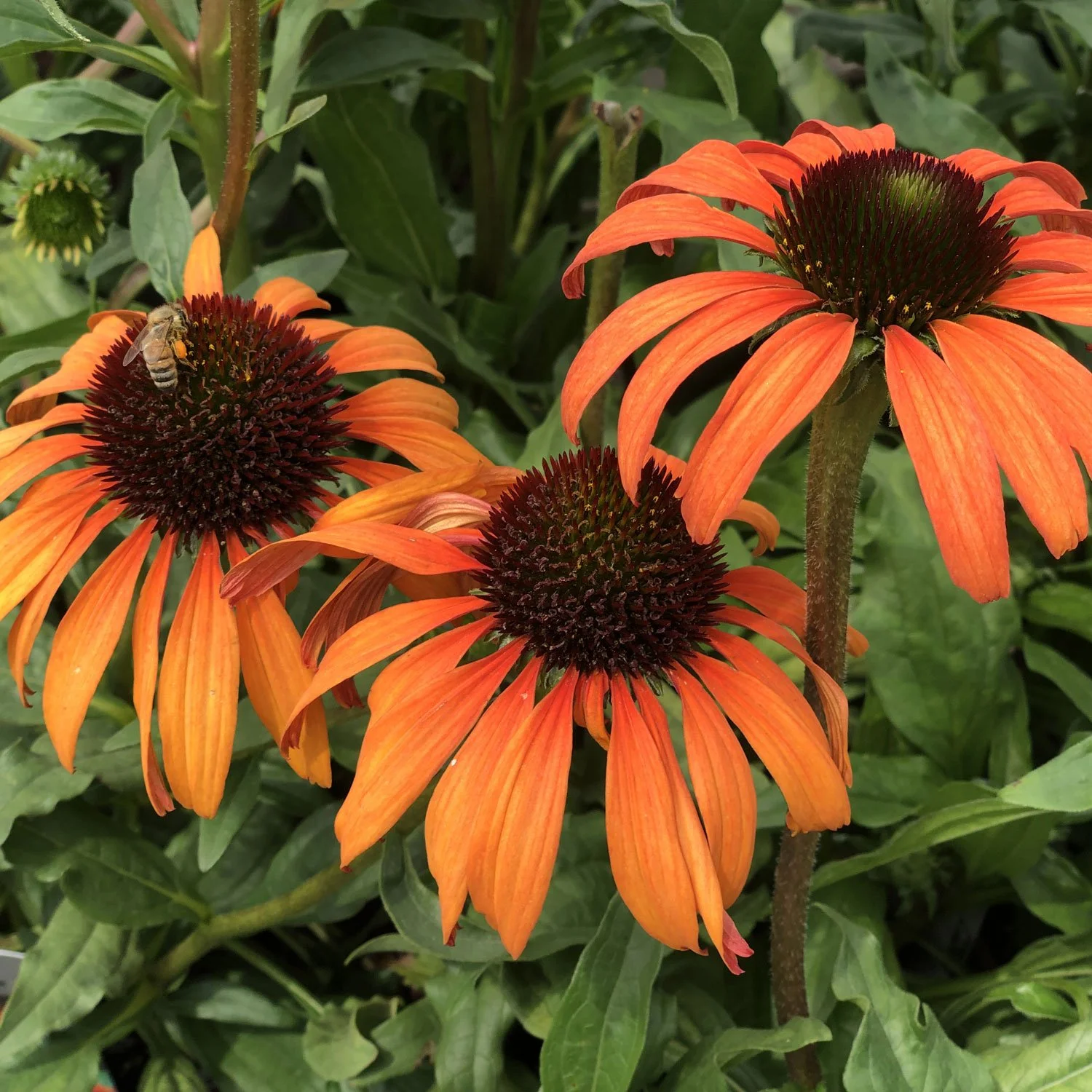
August is consistently sunny and warm in the PNW. By the second half of the month, there’s a slight tinge of fall in the air, but we still have pleasantly warm summer evenings to enjoy in the garden. It’s a great time to refresh the garden and containers with late-summer flowers. Here are some of our favorites for August.
Hydrangea
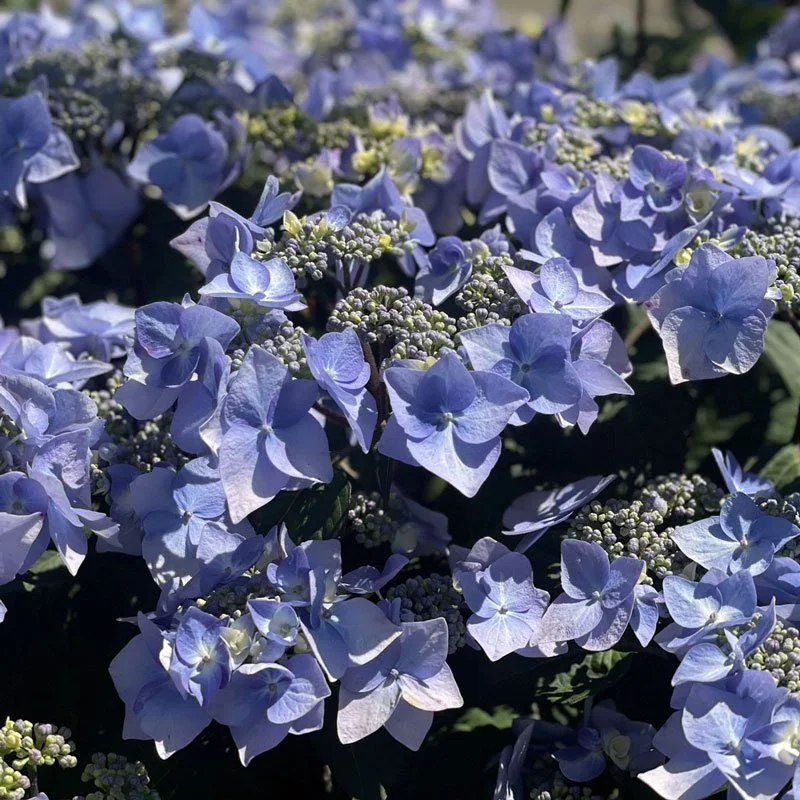
Hydrangeas are a must for every PNW garden. Choose from the massive blooms of mophead varieties, the cones of panicle varieties, and the elegant crowns of the lacecap varieties - or plant one of each kind! There are many colors to choose from, and their long-lasting blooms fade beautifully on the plant in fall and winter. Learn more about Hydrangea care and pruning.
Full sun to part shade, depending on variety
Well-drained soil; Hydrangeas appreciate deep watering in dry periods
4’-7’ tall and wide, depending on variety
Blooms summer-fall
Echinacea (Coneflower)
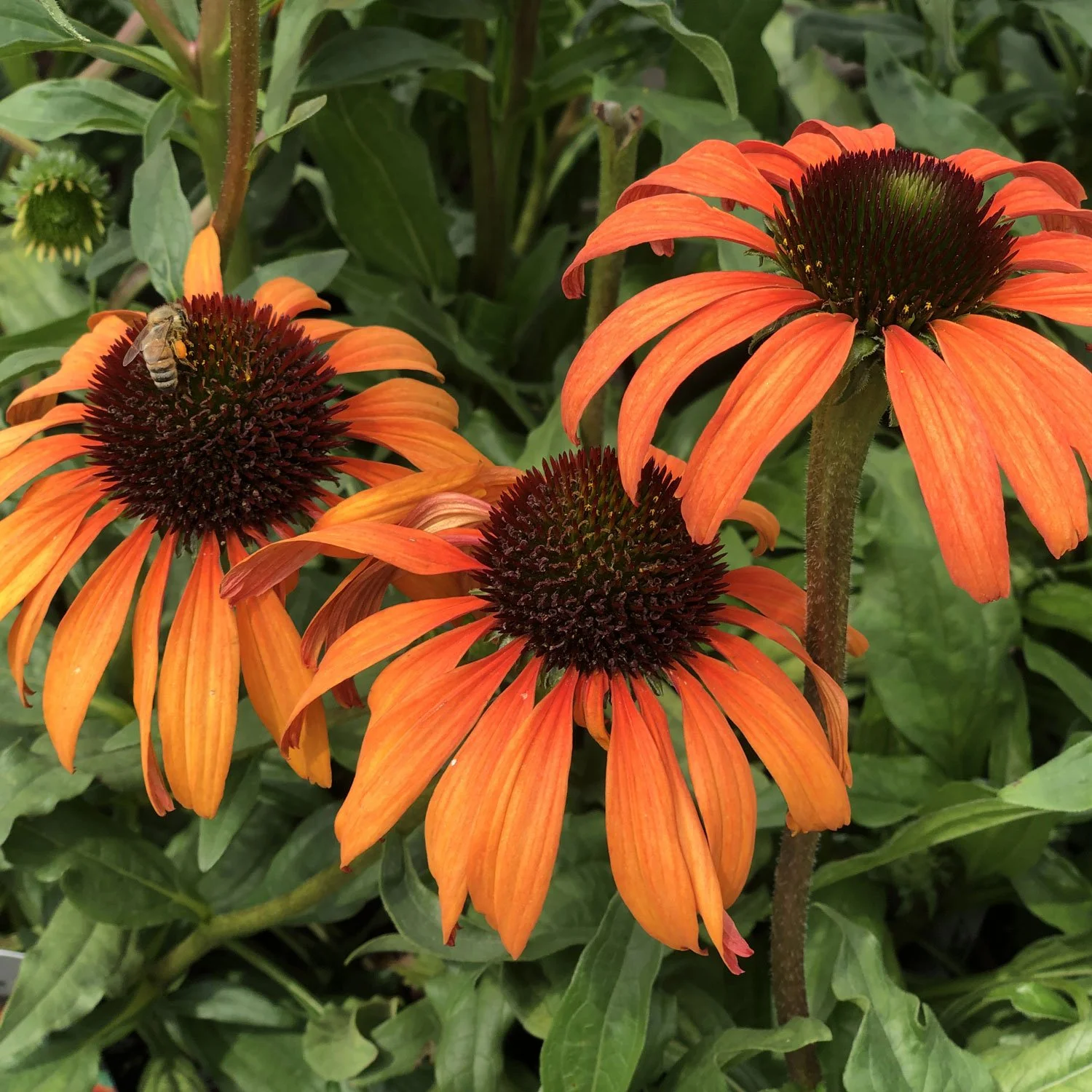
A bee magnet, Coneflower (Echinacea) is a staple in the summer garden. Their pollinator-attracting blooms are long-lasting and make great cut flowers for bouquets. Echinaceas look stunning planted en masse or mixed into the perennial and annual flower border. Seed-hunting birds love the seed heads in the fall.
Full sun to part shade for best blooms
Well-drained soil
24” tall and 30” wide
Blooms July-October
Celosia
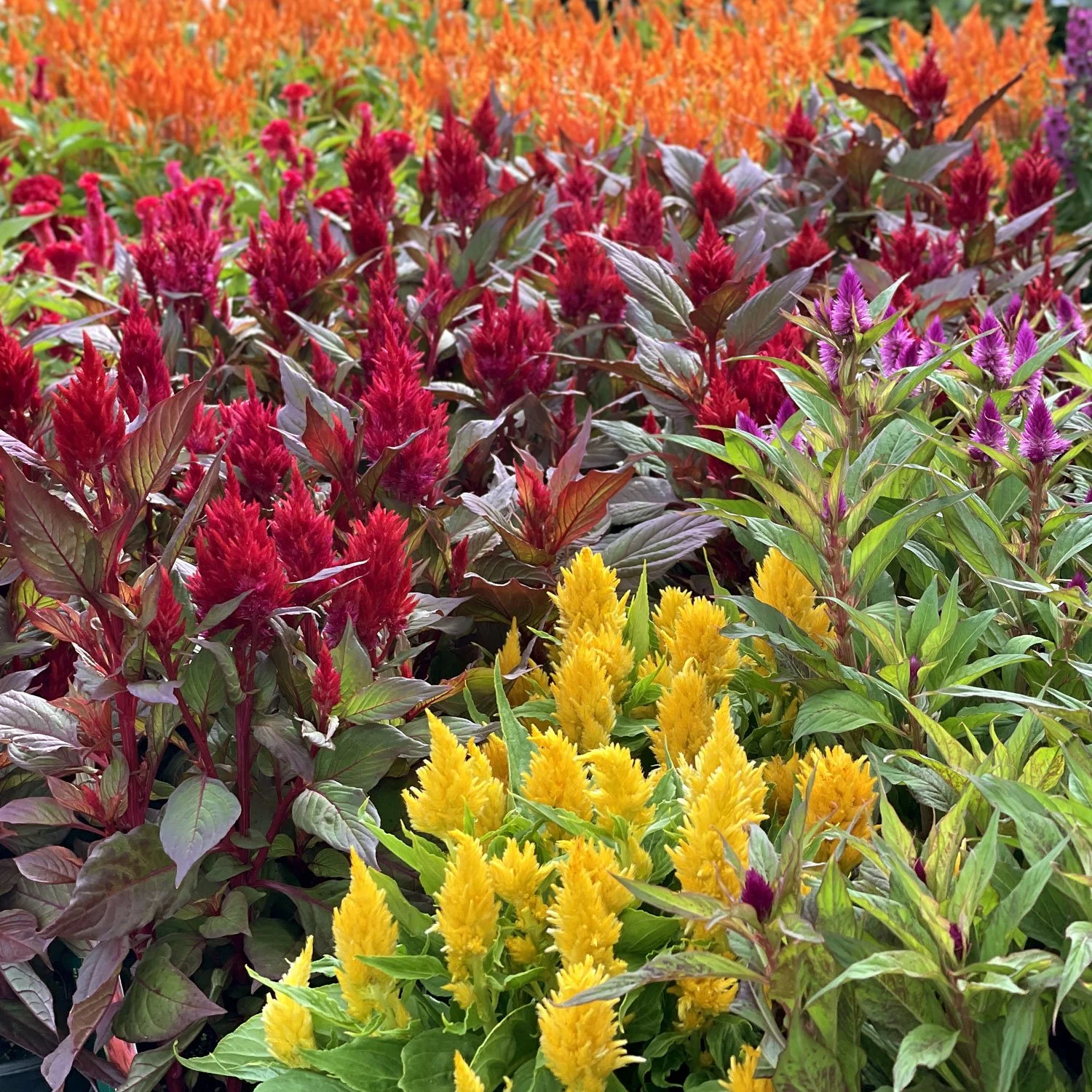
Bold and bright, Celosias are statement plants in the summer garden. A member of the Amaranth family, they come in plumed (pictured above) and crested varieties. The plumes of brightly colored flowers are perfect for long-lasting cut flower bouquets. Crested varieties have unique flowers that look like velvet brains - definitely a conversation piece! These annuals are heat-lovers and need very well-drained soil.
Full sun
Well-drained soil
6”-36” tall and 6”-12” wide, depending on variety
Blooms July-September
Coreopsis

Cheerful Coreopsis offers up masses of flowers over a long period in the summer. This native of the Americas prefers lots of sun and is highly sought after by bees and hungry butterflies. They are drought-tolerant, easy-going, and available in shades of yellow, orange, red, cream, and pink.
Full sun
Average, well-drained soil
6”-24” tall and wide
Blooms summer-fall
Platycodon (Balloon Flower)
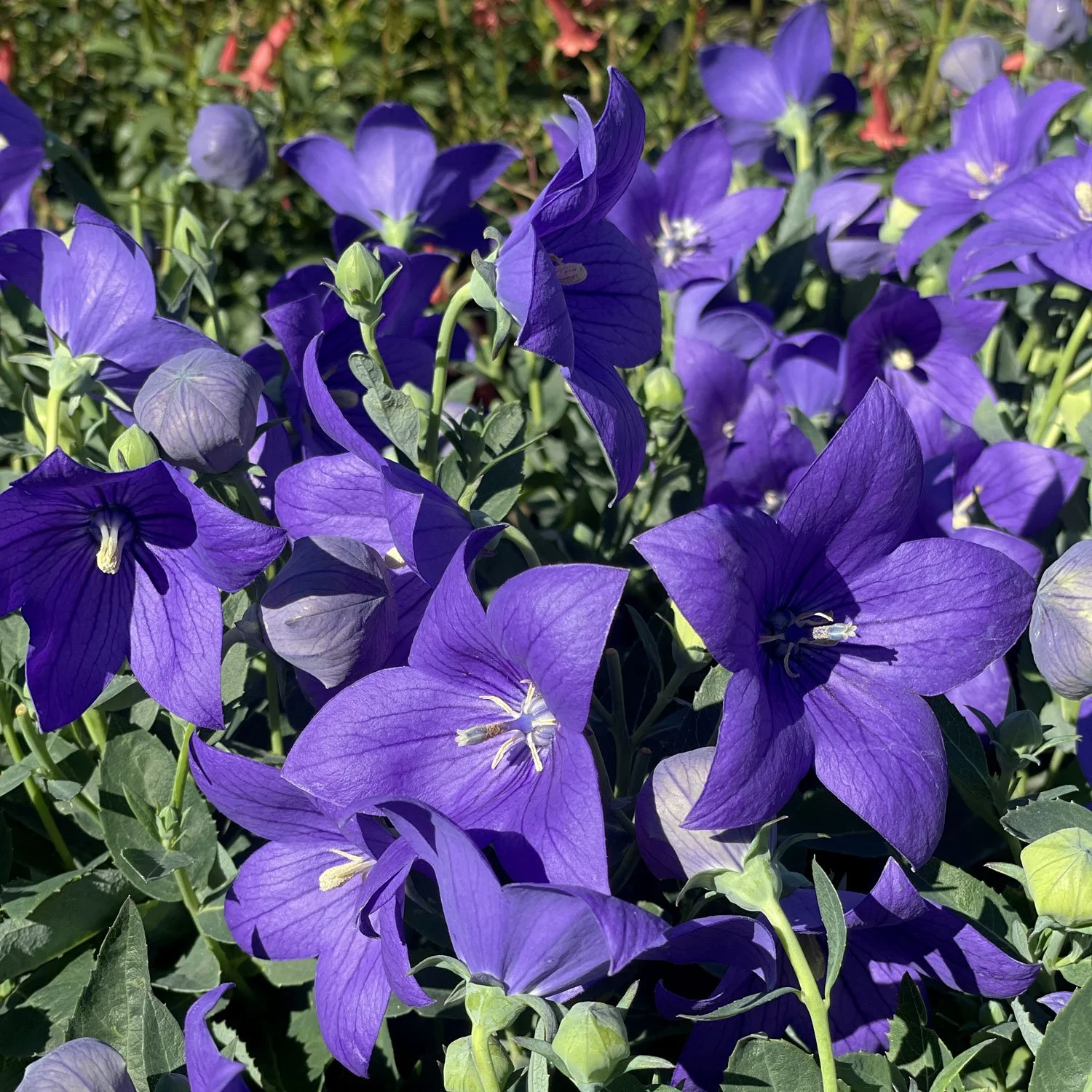
This beautiful summer bloomer is called Balloon Flower for its balloon-like buds that swell in June, opening to star-shaped flowers in July and August. A low-maintenance herbaceous perennial that will die back to the crown in winter and regrow from the base in spring.
Full sun to part shade
Average, well-drained soil kept evenly moist
8”-10” tall and 8”-12” wide, depending upon variety
Blooms July-August
Gaillardia
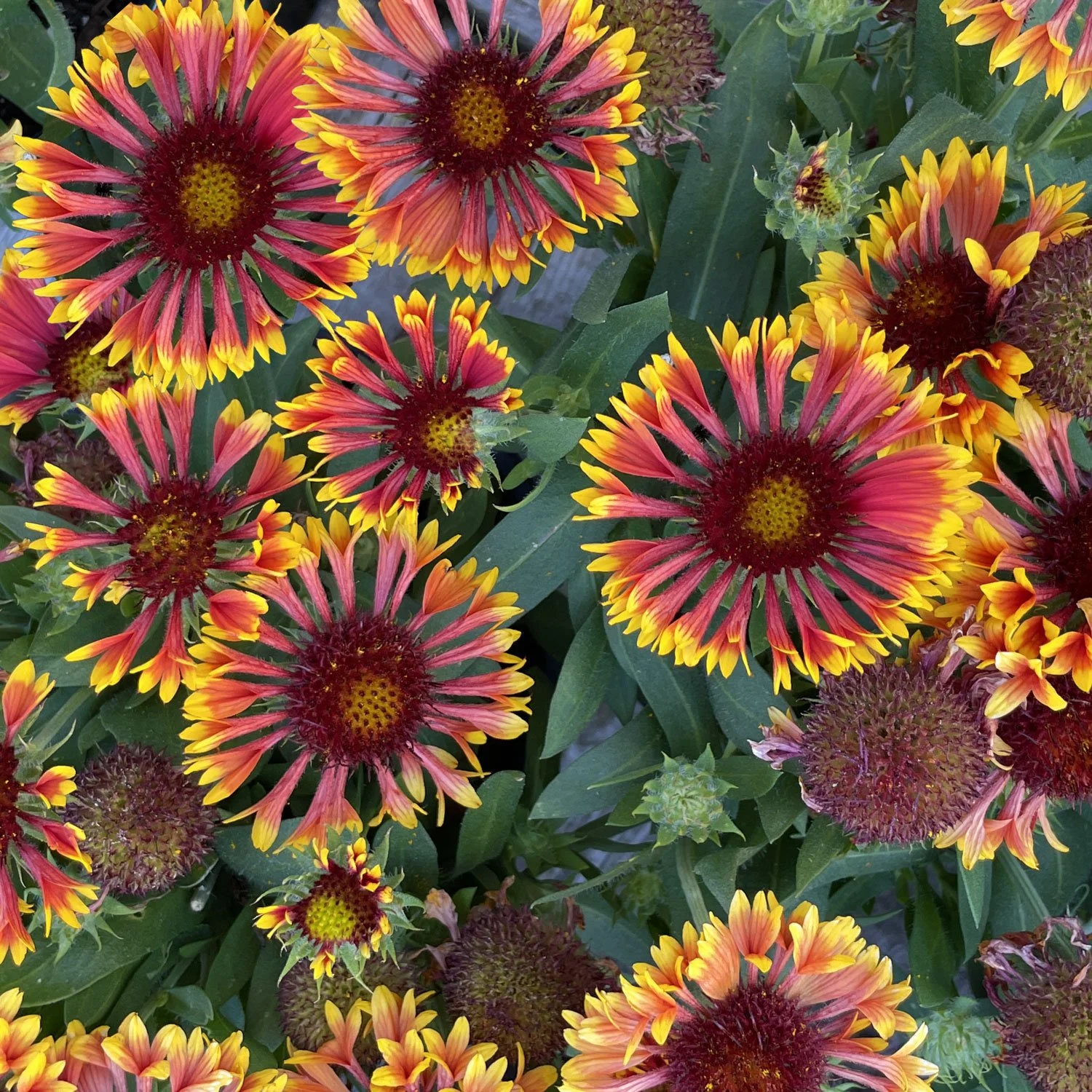
A unique flower with bicolor petals, Gaillardia (also called Blanket Flower), begins blooming in late spring and continues through September. After each bloom fades, it leaves behind a fuzzy spherical center filled with nutritious seeds that small birds adore. Attracts bees and butterflies and is rabbit-resistant.
Full sun to part shade
Average to dry, well-drained soil (short-lived in wet soil)
Up to 6” tall and 12”-16” wide
Blooms late spring-fall
Dahlia

Dahlias burst onto the scene in July and August, filling the garden with showstopping blooms that continue well into fall. Choose from a variety of colors, flower shapes, and sizes, from 3” diameter flowers to blooms the size of dinner plates! Best of all, with a little care, they will produce spectacular flowers year after year. Purchase tubers in spring to plant in late spring. Purchase potted plants throughout the summer.
Full sun to part shade (more sun for best blooms)
Fertile, well-drained soil
12”-6’ tall, depending on type
Blooms summer to late fall
Sedum spp.
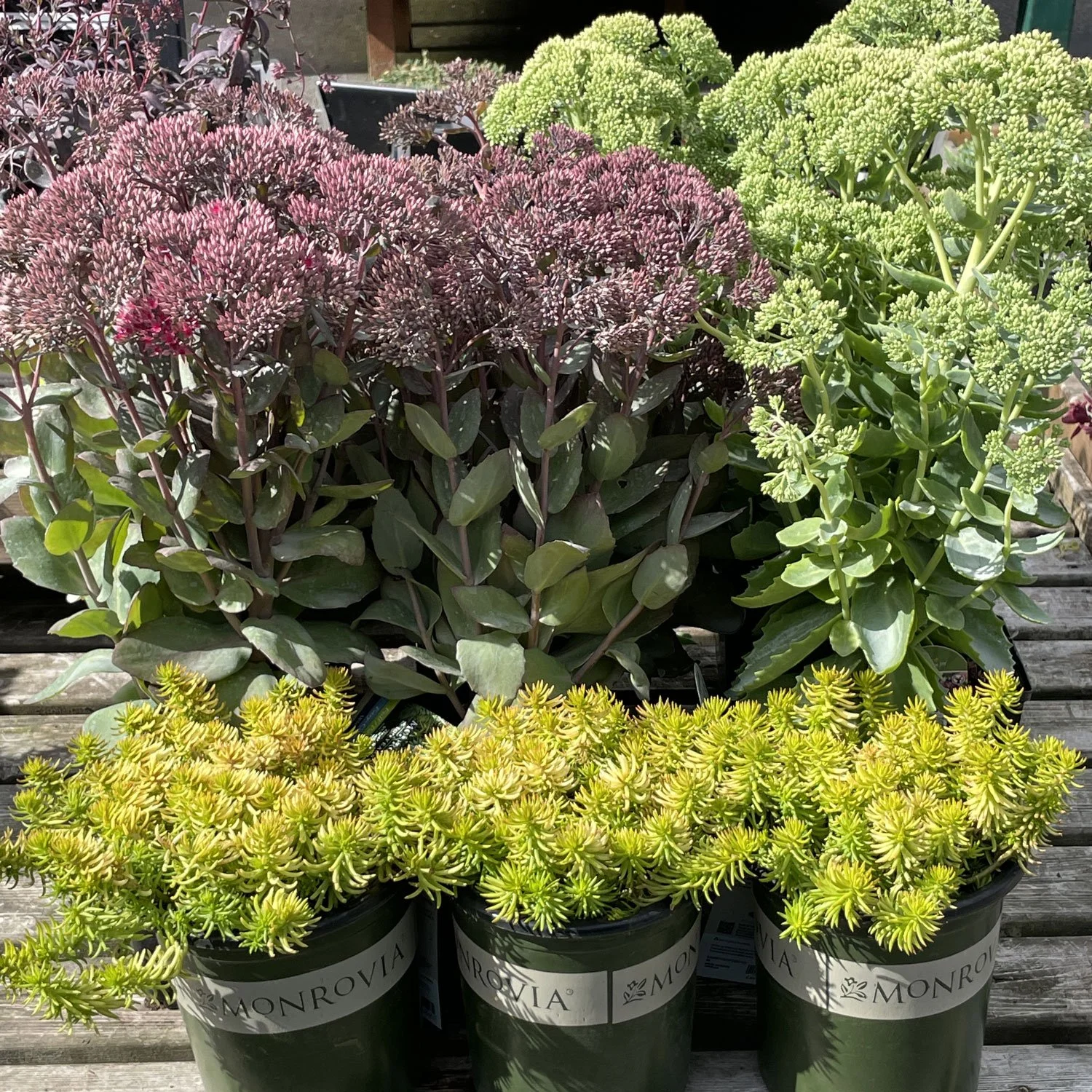
Easy to care for and drought-tolerant, Sedums come in a range of colors and textures, from creeping groundcovers to upright plants. Sedums attract beneficial insects with clusters of tiny flowers. Upright sedums such as Autumn Joy and Xenox bloom in late summer with flowerheads aging nicely on the plant for fall interest.
Full sun
Well-drained soil
2”-24” tall and 12”-36” wide, depending on variety
Upright varieties bloom late summer to fall
Lettuce and Kale

Plant lettuce and kale now for delicious, fresh salads this fall. Kale is hardy and will continue to produce into winter. Lettuce appreciates a little shade through August. Both plants need to be watered regularly, but the homegrown salads you will enjoy in September and October are so worth it. Learn more about fall vegetable gardening.
Full sun to part shade
Rich, well-drained soil
Lettuce grows 4”-8” tall and Kale 12”-36” tall and wide, depending on variety
Protect lettuce as temperatures drop in late fall
We’d love to help you choose something perfect for your individual space. Stop by and chat with one of our experts!