
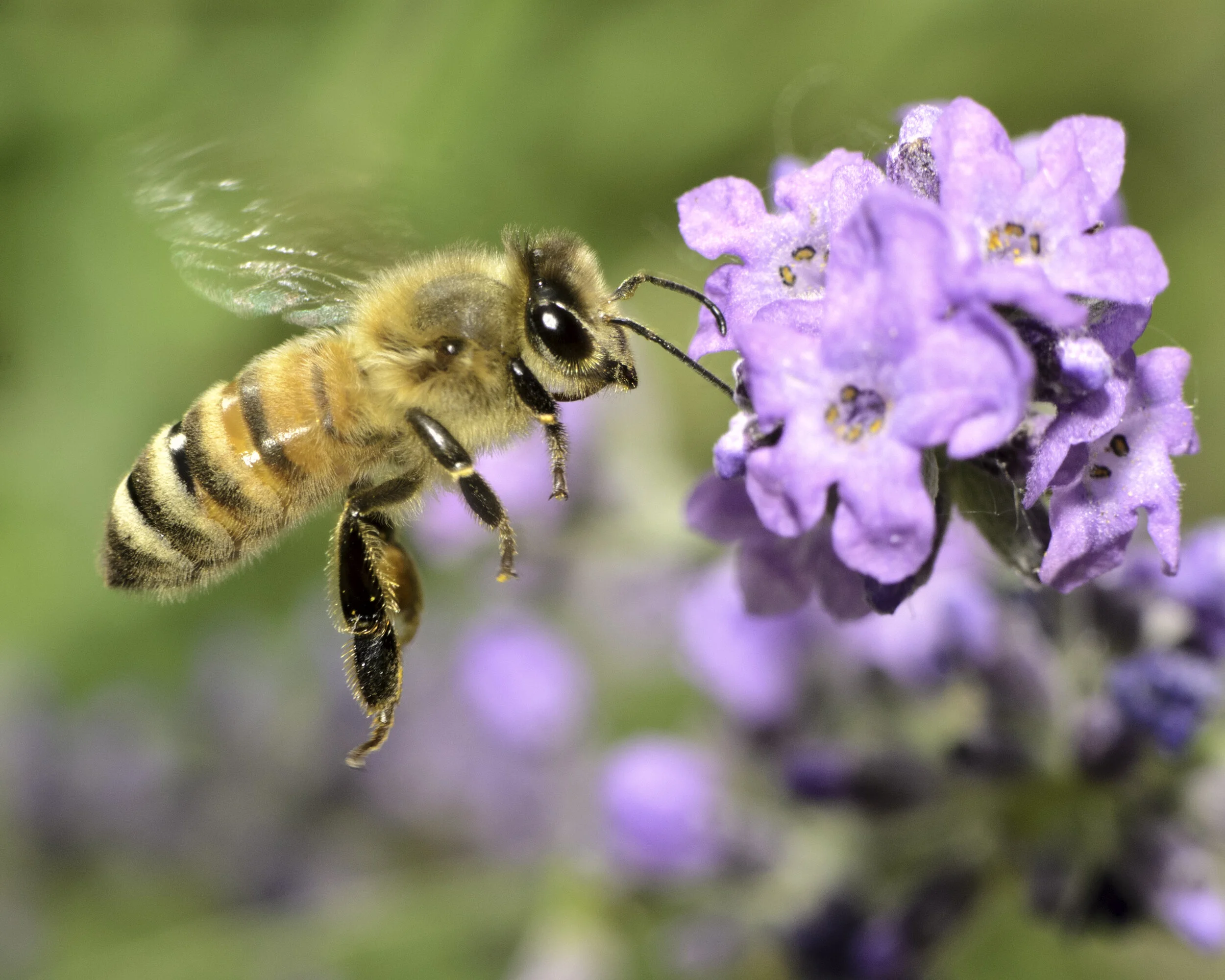
Attracting Pollinators & Wildlife
to your Garden
This collection of blog posts, quick guides, and other information is designed to help you create a garden that will attract pollinators, birds, and other wildlife. You’ll find useful information here about which plants to choose, how to create a habitat in which wildlife can thrive, and much more!
Attracting Pollinators
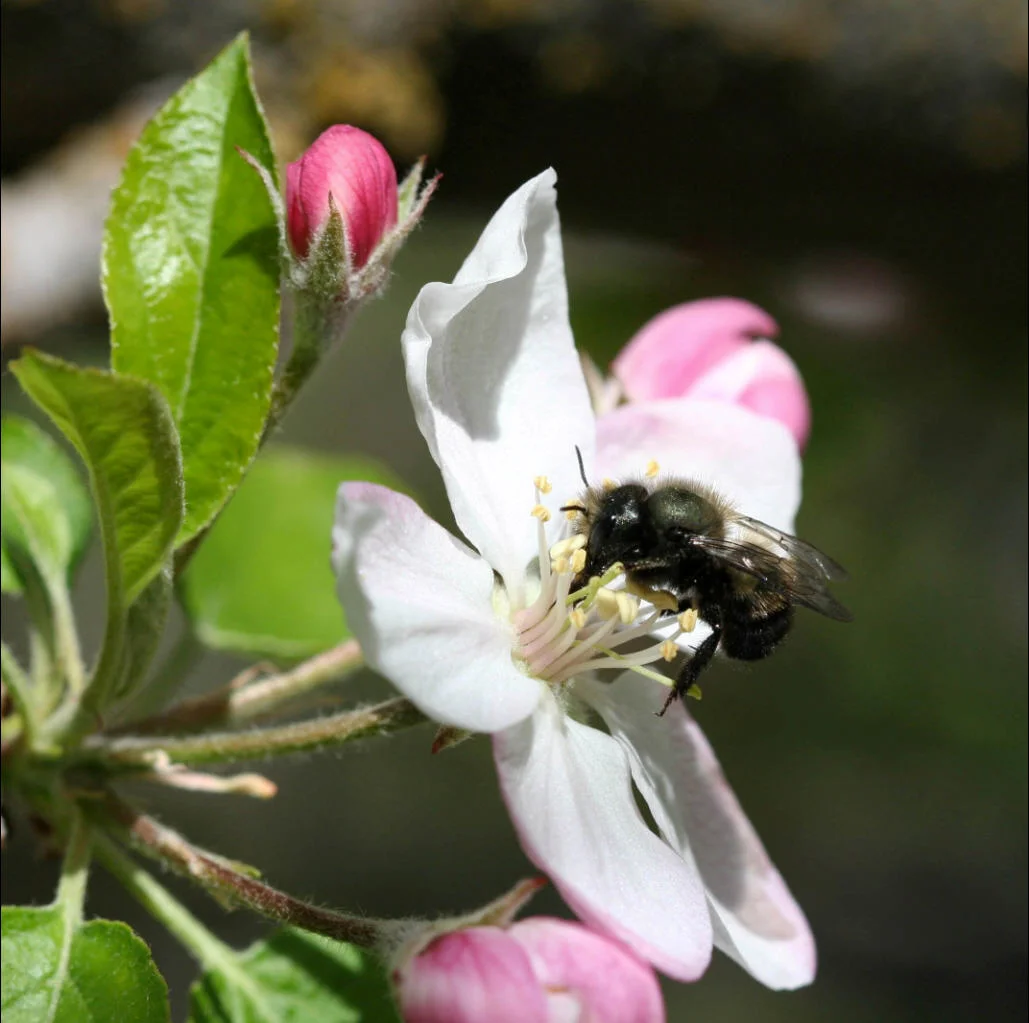
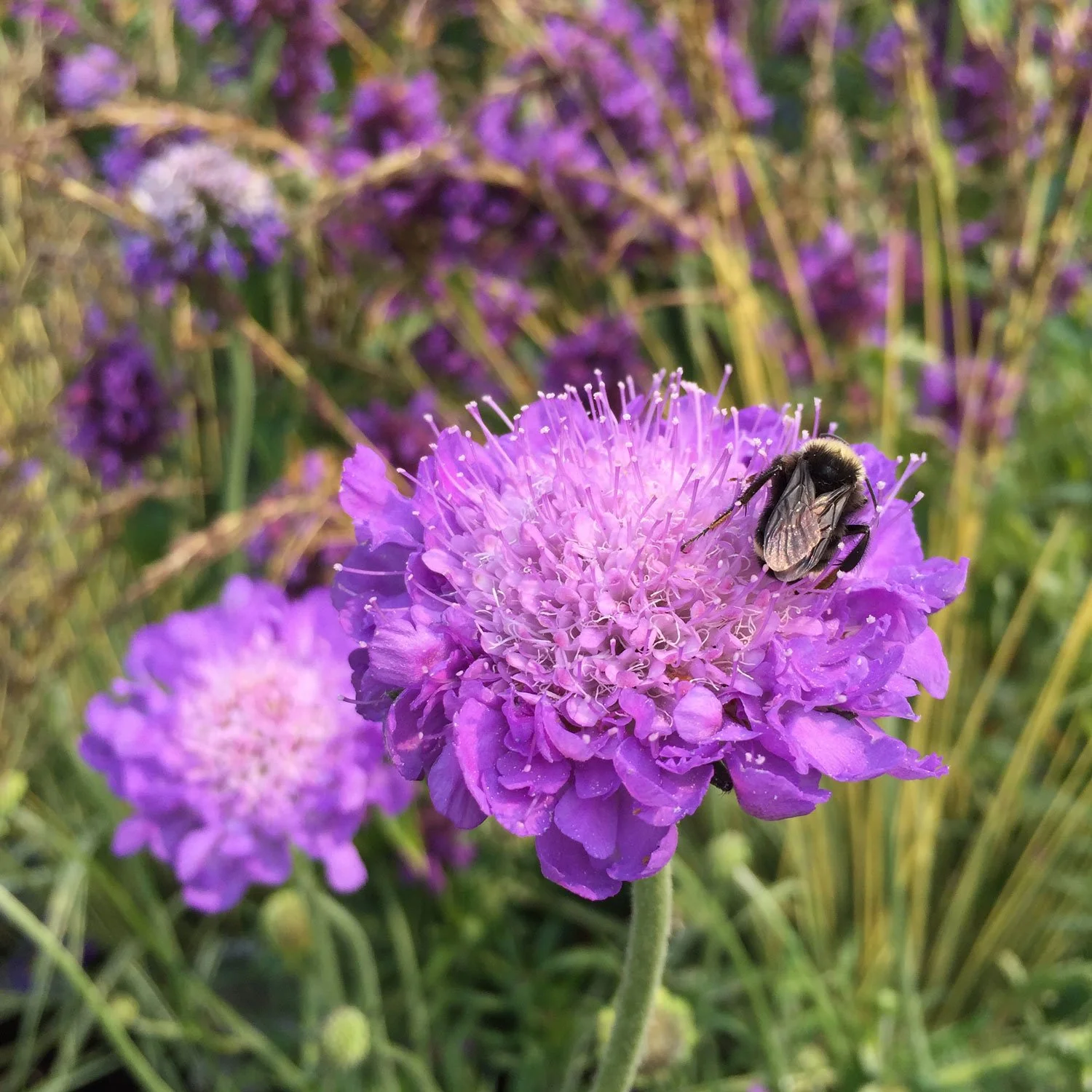
Kids well know the glowing excitement of watching a bee go about its business flower to flower in the sunshine. And hopefully, most adults out there haven’t forgotten the feeling, either. Being a steward of mason bees is a special opportunity to watch these busy creatures transform your yard-scape into one of balance and bounty.

On a late-summer day of 2015, a windstorm roared through Swansons. Near the southeastern portion of the property, a fence draped with mature Vitis (Grapes) and Rosa (Roses) came crashing down and was then removed. Over time, Swansons thought about plans for the almost 100ft long empty space and by 2017 it was finally time to begin.
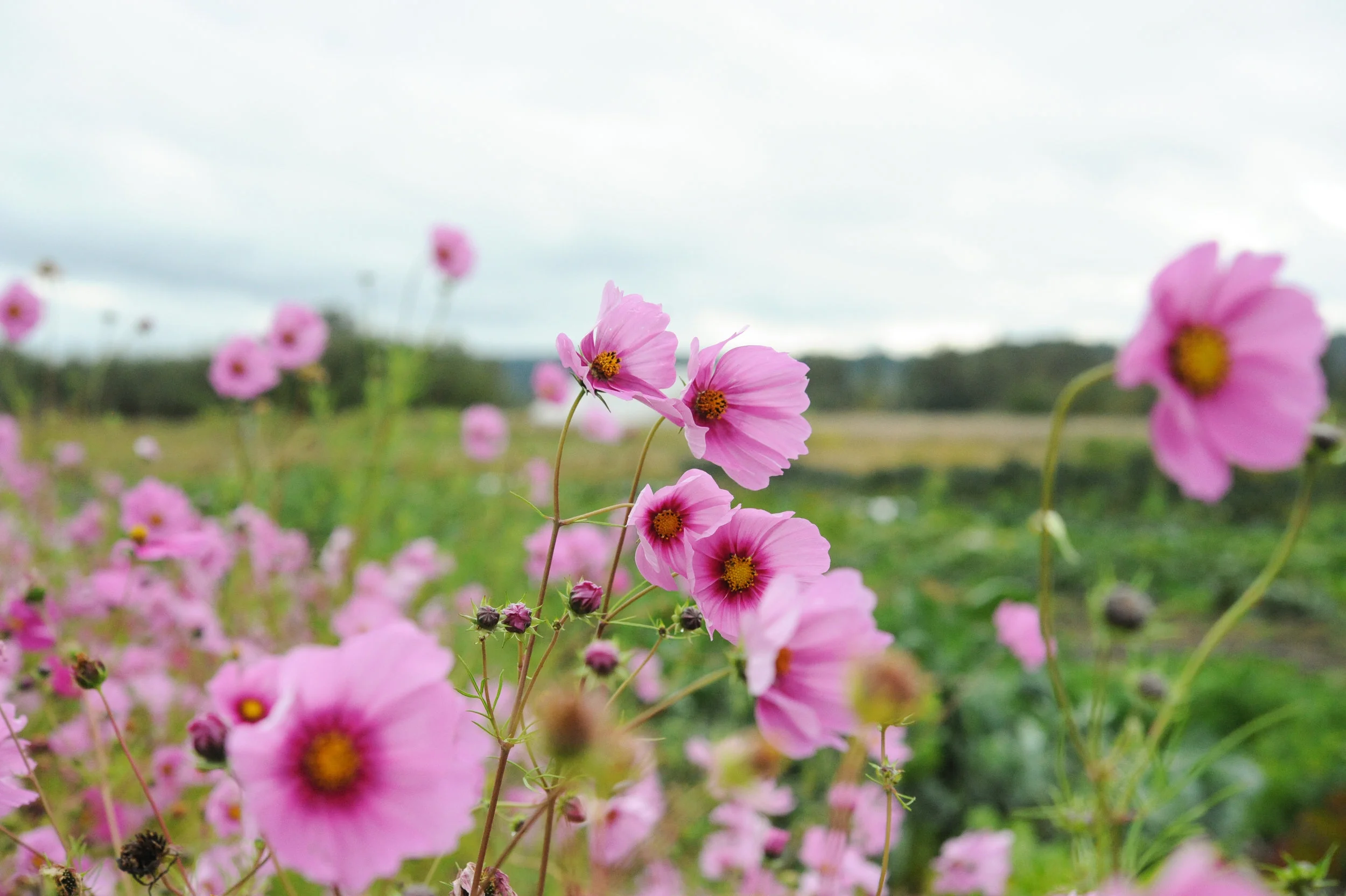
Flowers add both beauty and functionality to your garden. They provide interesting colors, scents, and textures to the landscape and allow you to create beautiful homegrown bouquets all summer long. But flower power doesn’t stop there! Flowering plants attract pollinators and beneficial insects that help your fruits and vegetables develop robust harvests, and they increase the ecological biodiversity of your neighborhood.

No garden is complete without at least a few gorgeous, blooming perennials! Here are 7 of our favorites for attracting pollinator friends to the garden.

Growing flowers that attract beneficial insects is therefore a good way to give Mother Nature a little leg up. Why not let the good bugs take care of the bad for you?
more information about attracting pollinators:
Bringing Birds to the Garden

Pollinators come in all shapes and sizes: bees, moths, butterflies, beetles, flies, and even bats, just to name a few. Knowing which plants serve our pollinators the best helps create a healthy and vibrant ecosystem where flora and fauna thrive. It also creates a diverse and beautiful garden for us to enjoy. Here are a few of our favorite flowers to attract bees, butterflies, and hummingbirds to your garden year after year.
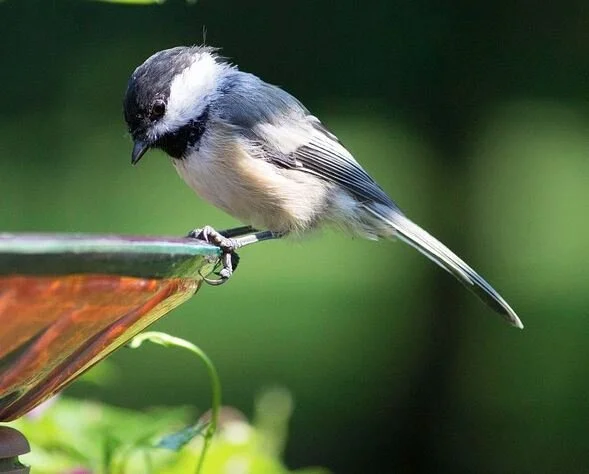
Here at Swansons, we love our feathered friends and would like to share a few tips to help you be successful with your bird feeding adventure throughout the year. We will talk about some bird feeder styles, where to place your feeder, the importance of cleaning, types of birdseed, and access to water. We will also offer some great resources for further reading.

It all started one afternoon, over twenty years ago when two dear friends hauled the “makings” of a four-feeder bird-feeding station into my backyard, assembled it and proclaimed “Happy Birthday!”

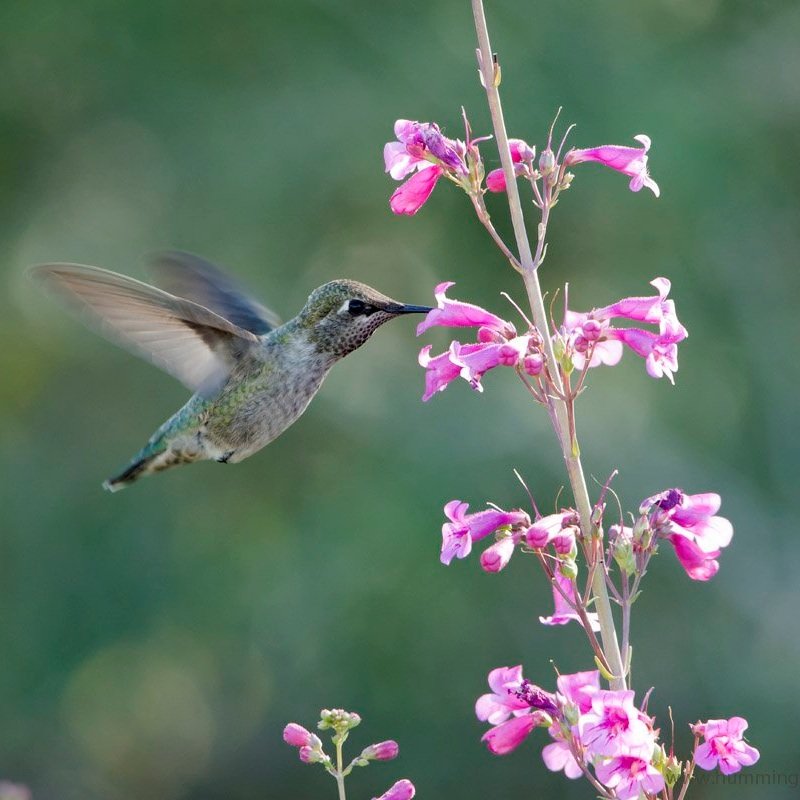
Western Washington hosts two species of hummingbirds, the Anna’s Hummingbird and the Rufous - and both are searching for nectar! Learn how to improve your habitat and add hummingbird-attracting plants for each season so that you can turn your garden into a gorgeous, year-round hummingbird feeder.
more information about gardening for birds:
Find lots more bird-related websites and resources on our Community Partners page!
We have bird supplies! Find the products and advice you need at Swansons. Learn more about what we carry here:
Learn more about what to do in the garden each month on our monthly gardening tips calendar.
Pollinators come in all shapes and sizes: bees, moths, butterflies, beetles, flies, and even bats, just to name a few. Knowing which plants serve our pollinators the best helps create a healthy and vibrant ecosystem where flora and fauna thrive. It also creates a diverse and beautiful garden for us to enjoy. Here are a few of our favorite flowers to attract bees, butterflies, and hummingbirds to your garden year after year.