

Flower Garden Resources
This collection of blog posts, quick guides, and other information is designed to help you create successful flower gardens. Whether you want cut flowers, flowers to attract pollinators and beneficial insects, year-round color, fragrance, edible flowers, or flowers as companions to help your vegetable garden be more productive, you’ll find useful information here.
four-season flower gardens
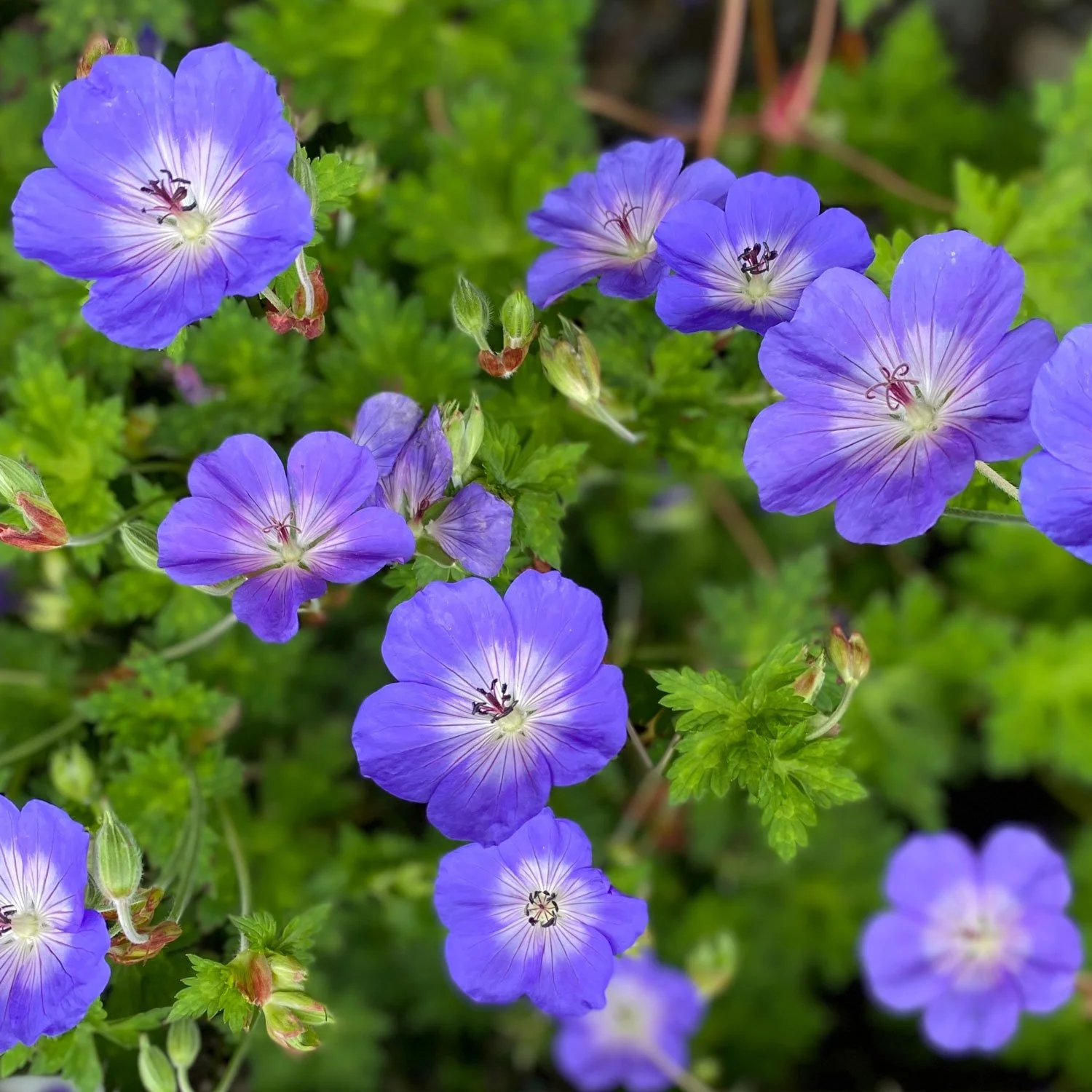
Is there anything more beautiful than a PNW garden in May? Although every month has its special beauty, the May garden is bursting with new foliage and blooms, filled with abundance and freshness, and with the promise of summer to come. Here are a few of our favorite garden plants for the month of May.
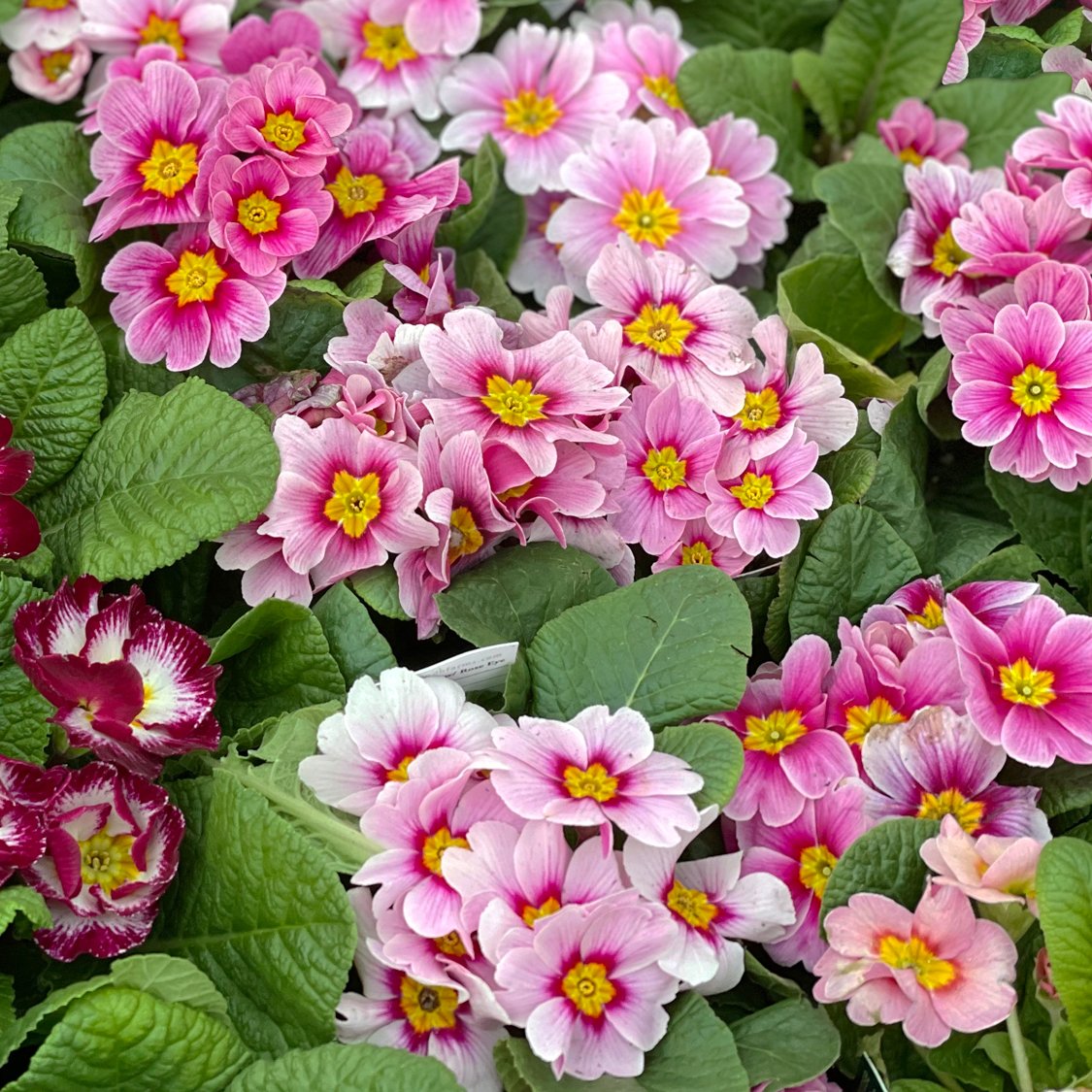
Early-blooming plants help brighten the gray, rainy days and remind us that warmer days are on the way. Here are a few of our favorites for winter and early spring.

Whether you’re refreshing containers, filling gaps in the garden, or planning ahead for spring, fall planting sets the stage for a beautiful year to come. The nursery is brimming with colorful fall foliage and blooms. To help you choose, our buyers have highlighted some of their top fall picks.

Nothing can conjure up a memory like a certain fragrance. Whether we want to reproduce the scents of our childhood gardens, or simply create a new sensory experience, there are many fragrant plants to enjoy. We all know that roses and lilies smell amazing, but here is a collection of annuals, perennials, and shrubs you may not be as familiar with and which will bring unique and evocative fragrances to your garden throughout the year.
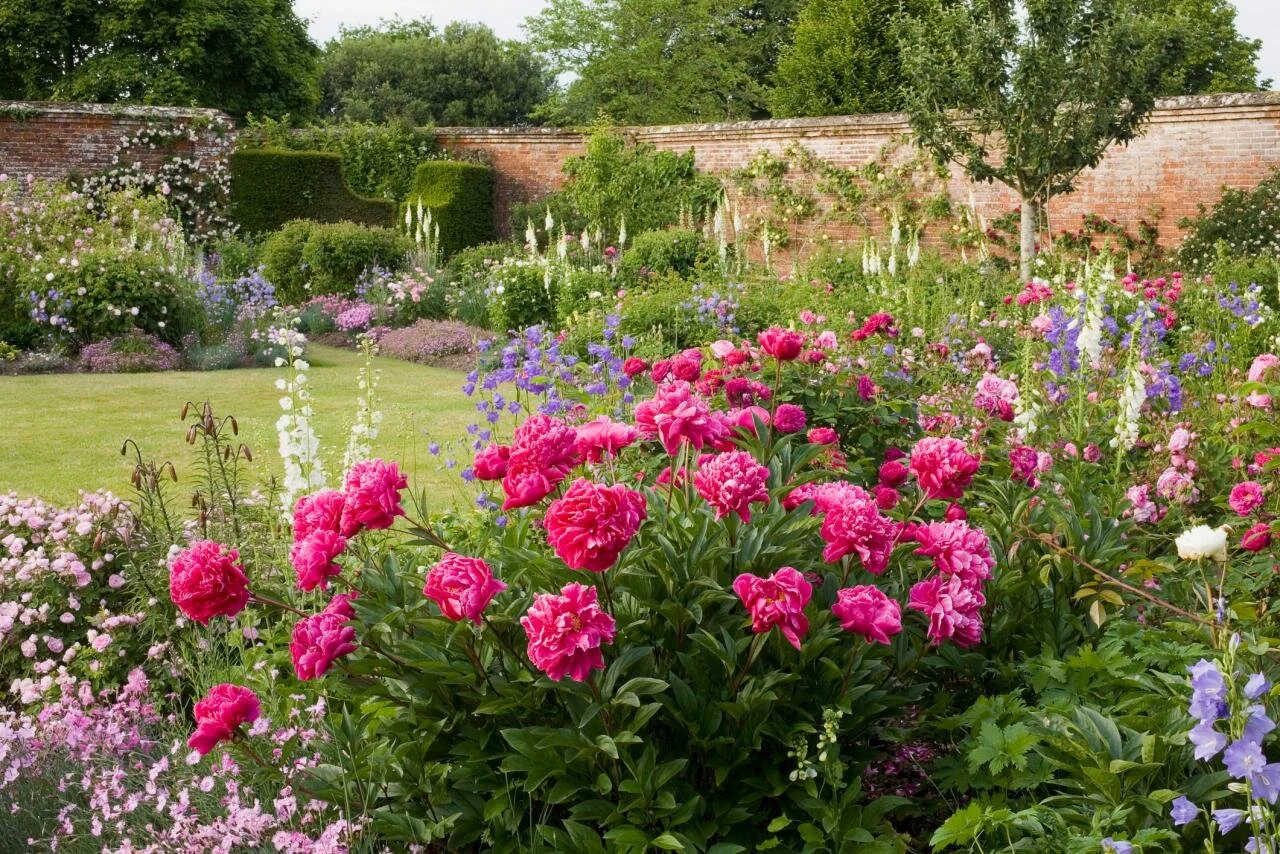
The most recognizable “spring” flowers - tulips, lilacs, azaleas - have finished blooming or are beginning to fade and a host of new flowering plants are ready to take the baton for the race into summer. Here are some of our favorite late-spring flowers; some even keep blooming all summer long. Best of all, these flowers attract pollinators such as bees, butterflies, and hummingbirds!
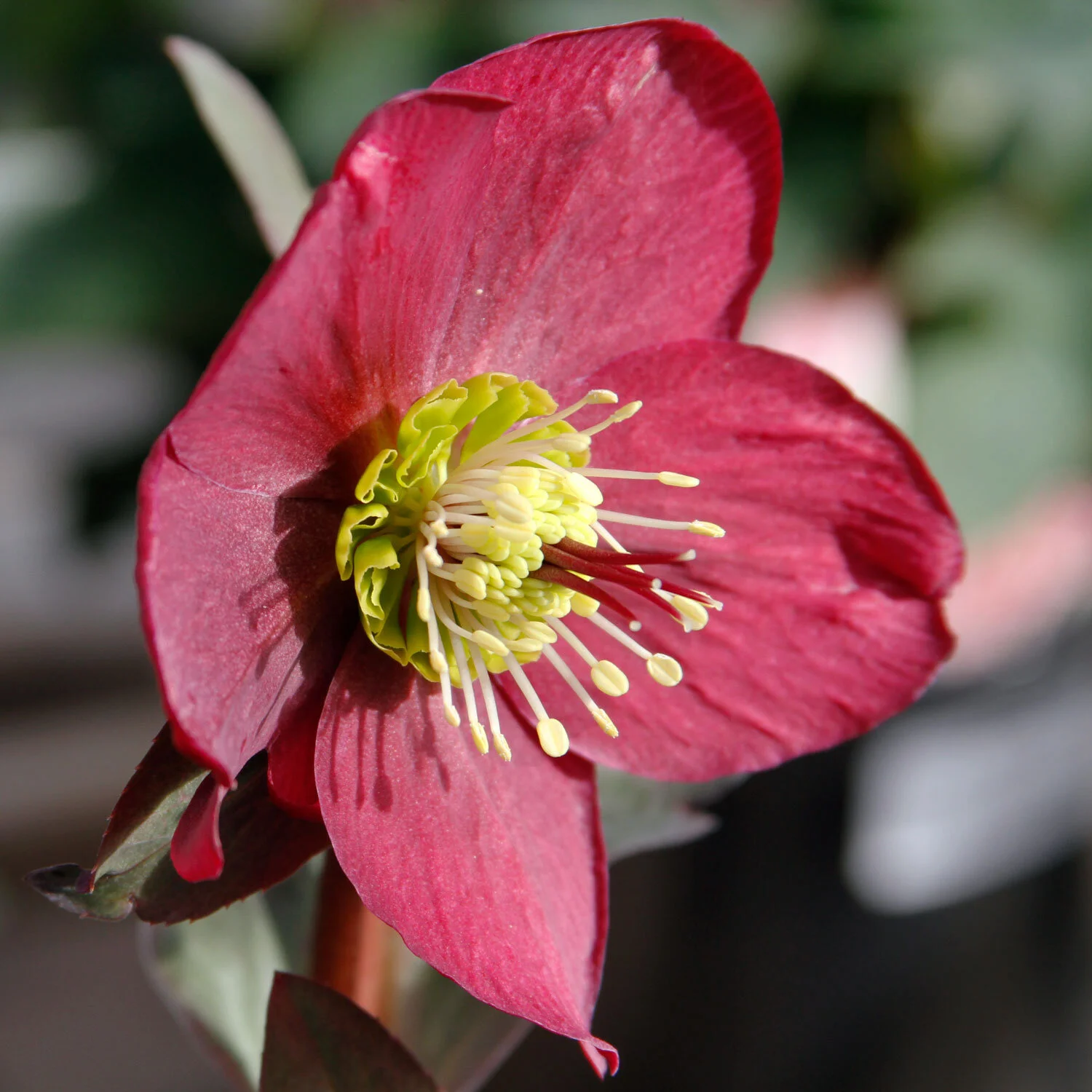
After my garden goes to sleep in the fall I look forward to the approach of winter. Tucked among the ferns are some of my favorite winter blooming perennials: hellebores. I love seeing the evergreen leaves throughout the year and excitedly wait for flowers to emerge during a season when there is little else in bloom.
Flowers for Healthy Gardens and Beneficial Insects

Pollinators come in all shapes and sizes: bees, moths, butterflies, beetles, flies, and even bats, just to name a few. Knowing which plants serve our pollinators the best helps create a healthy and vibrant ecosystem where flora and fauna thrive. It also creates a diverse and beautiful garden for us to enjoy. Here are a few of our favorite flowers to attract bees, butterflies, and hummingbirds to your garden year after year.

Western Washington hosts two species of hummingbirds, the Anna’s Hummingbird and the Rufous - and both are searching for nectar! Learn how to improve your habitat and add hummingbird-attracting plants for each season so that you can turn your garden into a gorgeous, year-round hummingbird feeder.
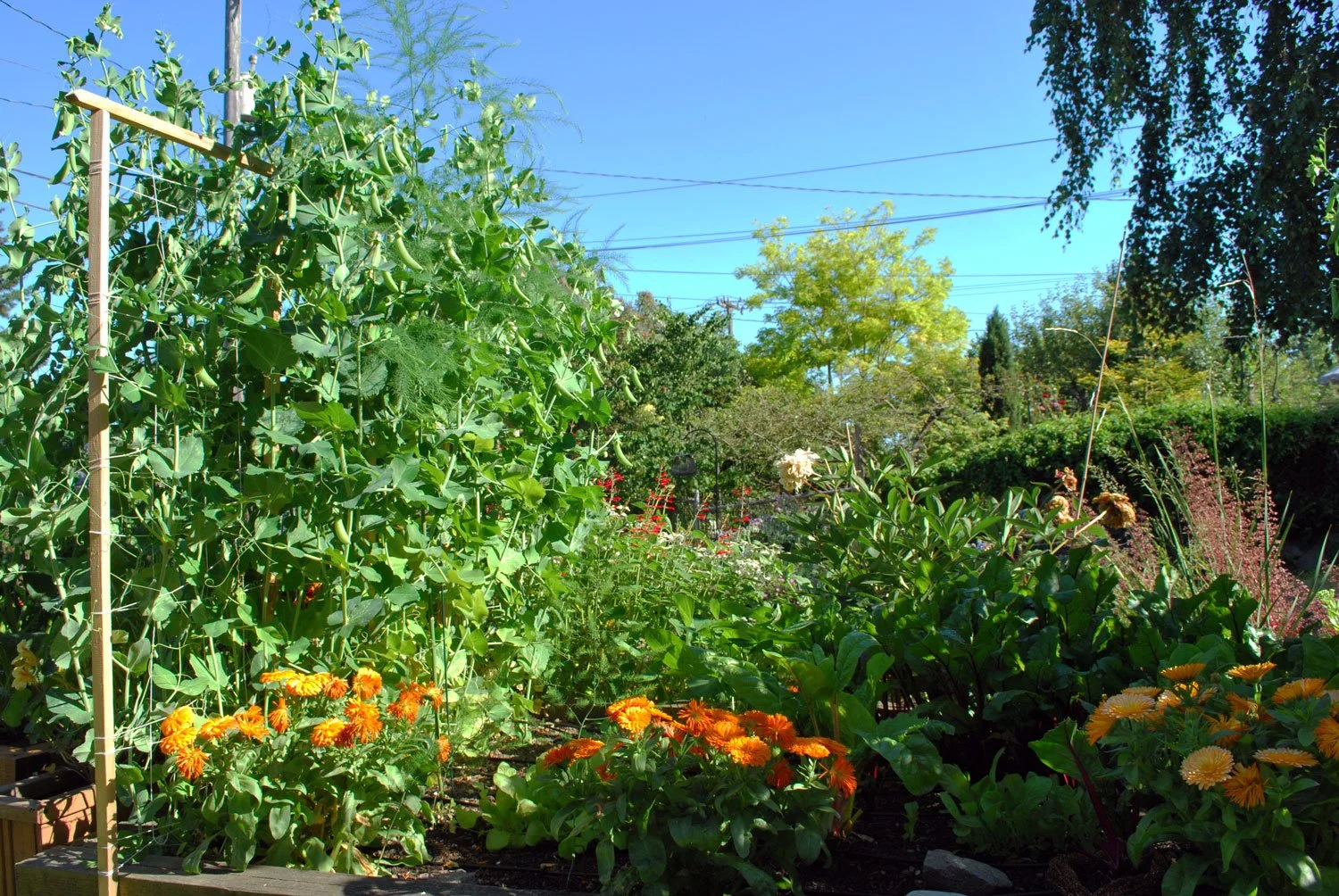
Companion planting is the practice of growing certain crops near each other and keeping others separated so that they all thrive. Companion planting can help attract pollinators and beneficial insects, repel pests, and even help you use your space more wisely! Even armed with the "why" of companion planting, it can be difficult to know where to start, so here are some guidelines you can use in your own home garden.
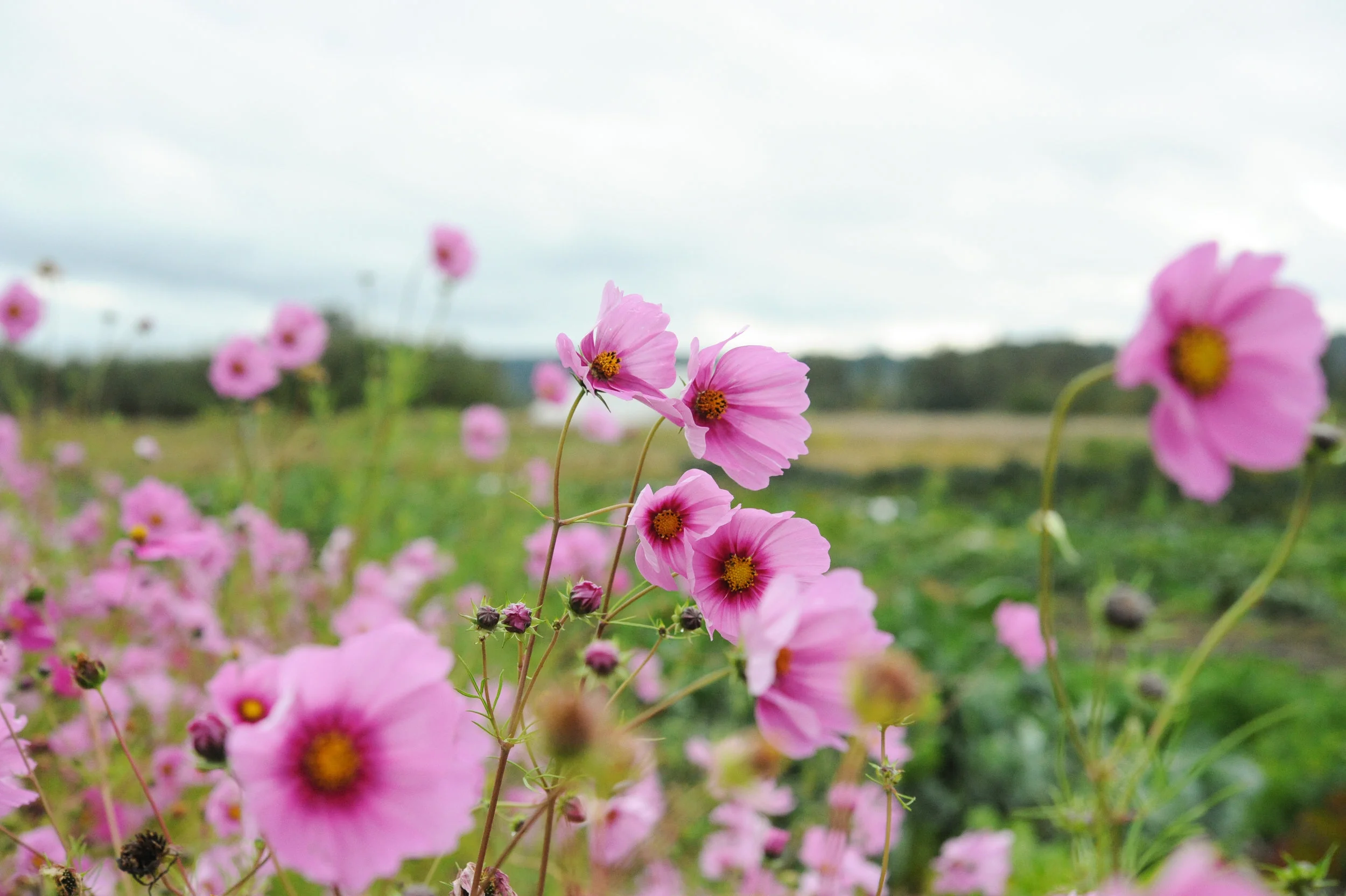
Flowers add both beauty and functionality to your garden. They provide interesting colors, scents, and textures to the landscape and allow you to create beautiful homegrown bouquets all summer long. But flower power doesn’t stop there! Flowering plants attract pollinators and beneficial insects that help your fruits and vegetables develop robust harvests, and they increase the ecological biodiversity of your neighborhood.

No garden is complete without at least a few gorgeous, blooming perennials! Here are 7 of our favorites for attracting pollinator friends to the garden.

Growing flowers that attract beneficial insects is therefore a good way to give Mother Nature a little leg up. Why not let the good bugs take care of the bad for you?
Caring for Flowers

You and your rose soul-mates have found each other. Now what? How do you keep them happy and thriving in our maritime Pacific Northwest climate? Roses are not completely carefree, but with a few basic care guidelines, you can grow them successfully and enjoy their beauty for years to come.

Who isn't captivated with the lush blooms of the peony? We still get excited when peonies begin arriving! Alex LaVilla, our Senior Horticulturalist, has a few planting and care tips to help you be sure your peony is as happy and productive as it can be.

Dahlias die back each year as autumn advances, but, with the proper care, the tuberous root system can live on to produce a stunning display year after year. The advice in this post is based on many years of growing dahlias in a low-lying area of Seattle with relatively moderate winter temperatures and excellent drainage.
More Flower Gardening Guides
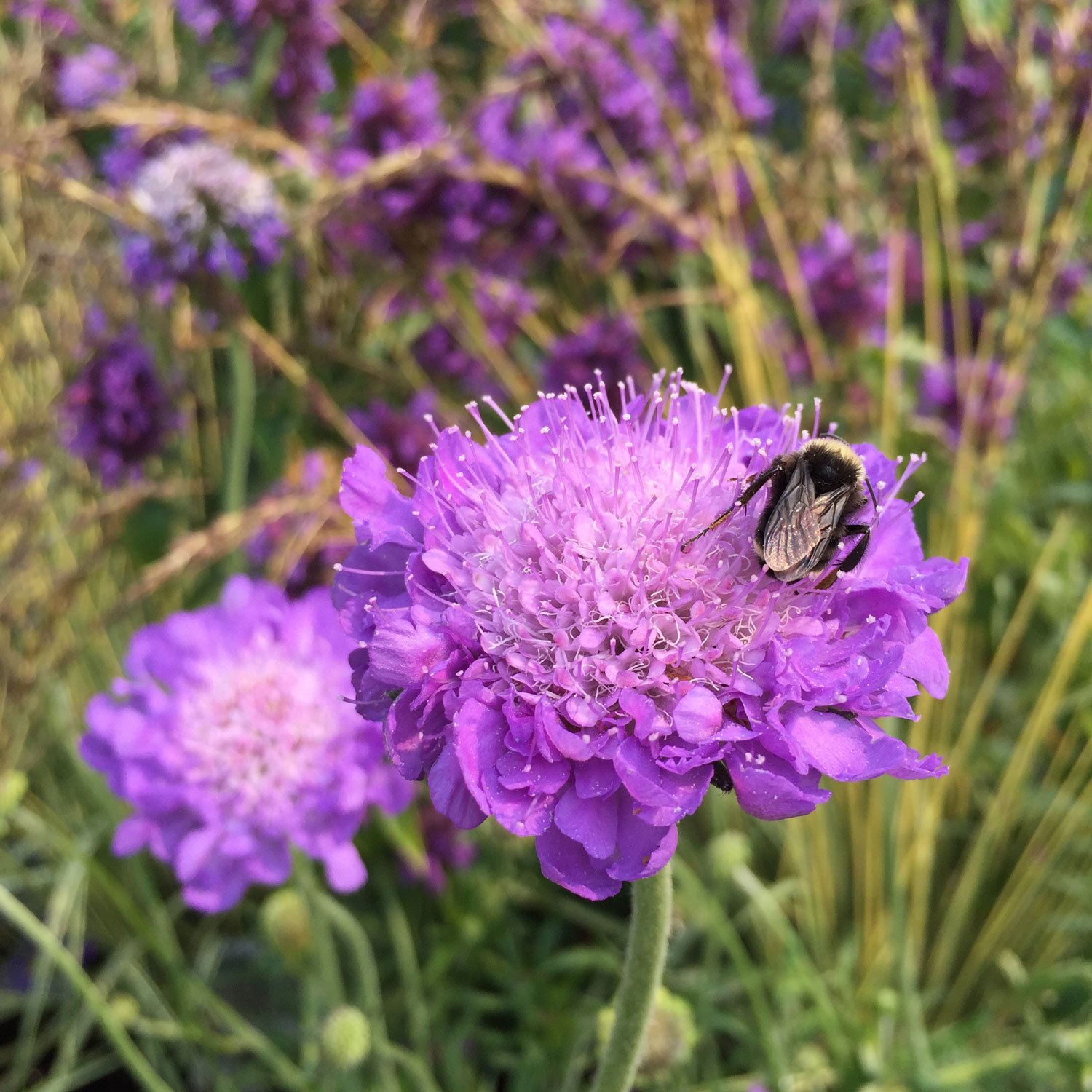
Learn more about what to do in the garden each month on our monthly gardening tips calendar.
It's late summer, and what’s needed is a pop of color to spruce up the garden - even better if the plants continue to bloom well into fall. Luckily, there are plenty of flowers in their prime right now that will keep on blooming into fall or even until frost. Here are a few of our favorites.