
Growing Food
Let’s grow some food! Here is a collection of blog posts, quick guides, and other information to help you grow vegetables, fruit, and herbs in the Pacific Northwest.
To learn more about which edible plants we carry, visit our Vegetables & Fruit page.
Getting Started

It’s a great time to plant fruit trees and berries so you can enjoy home-grown fruit for years to come! Learn all about planning, planting, and caring for small fruits and berries in the Pacific Northwest in this blog post.
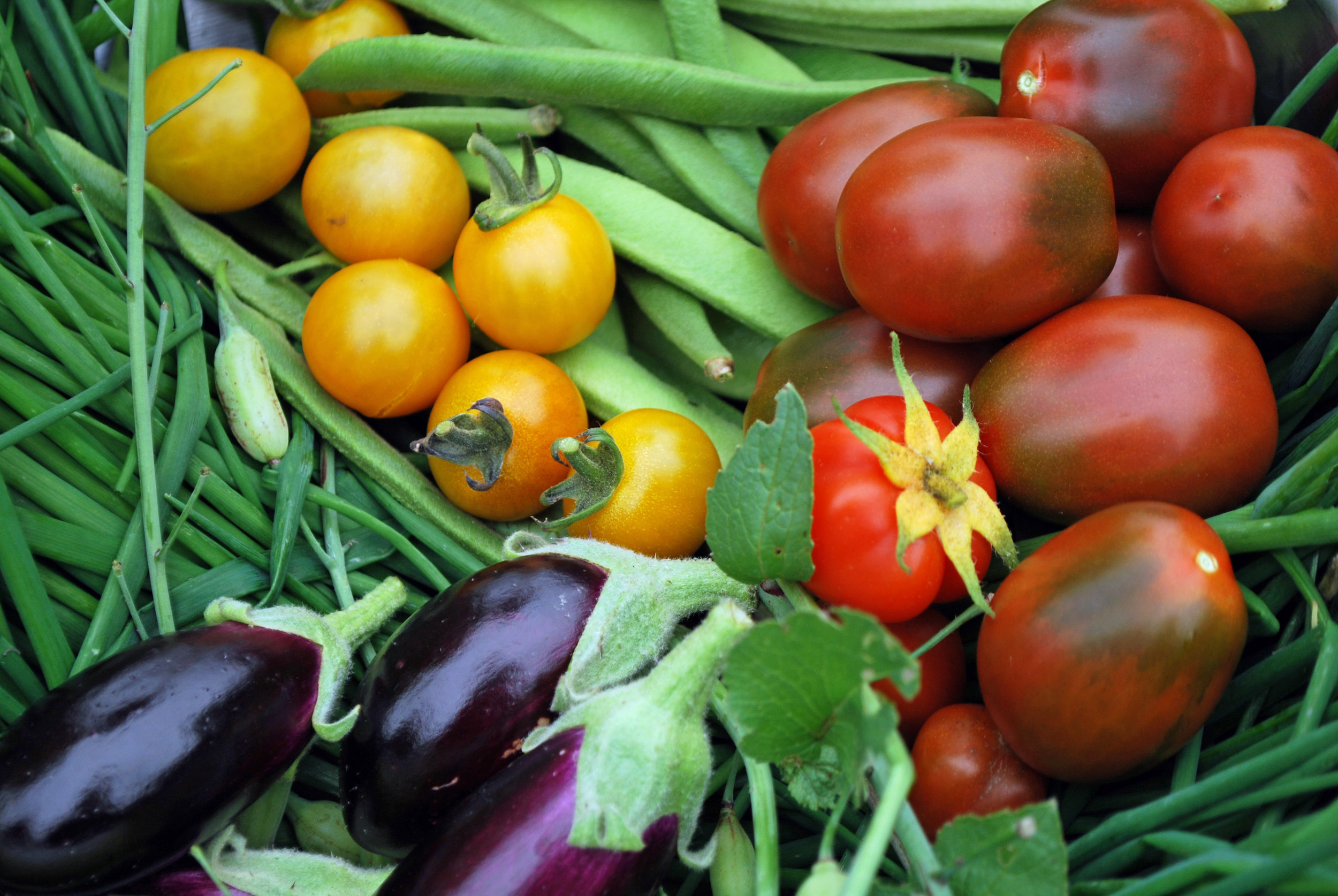
Most warm-season vegetables - heat-lovers like tomatoes, peppers, eggplant, squash, and beans - can be grown here in the Pacific Northwest.…. If you can give them the right conditions. But with our cool, wet springs and short summers, sometimes it can seem like an uphill battle. Luckily, there are ways to ensure success for the PNW gardener, from season-extending tools to growing tips for happy plants and great harvests.

We're excited to have Hilary Dahl, co-owner of the Seattle Urban Farm Co., and creator and Host of the Encyclopedia Botanica Podcast, as a guest blogger. In this post, she's offering great advice on planning and prepping your edible garden. Whether you are brand new to edible gardening or a seasoned pro, you'll find great tips to make this year your best vegetable harvest ever!
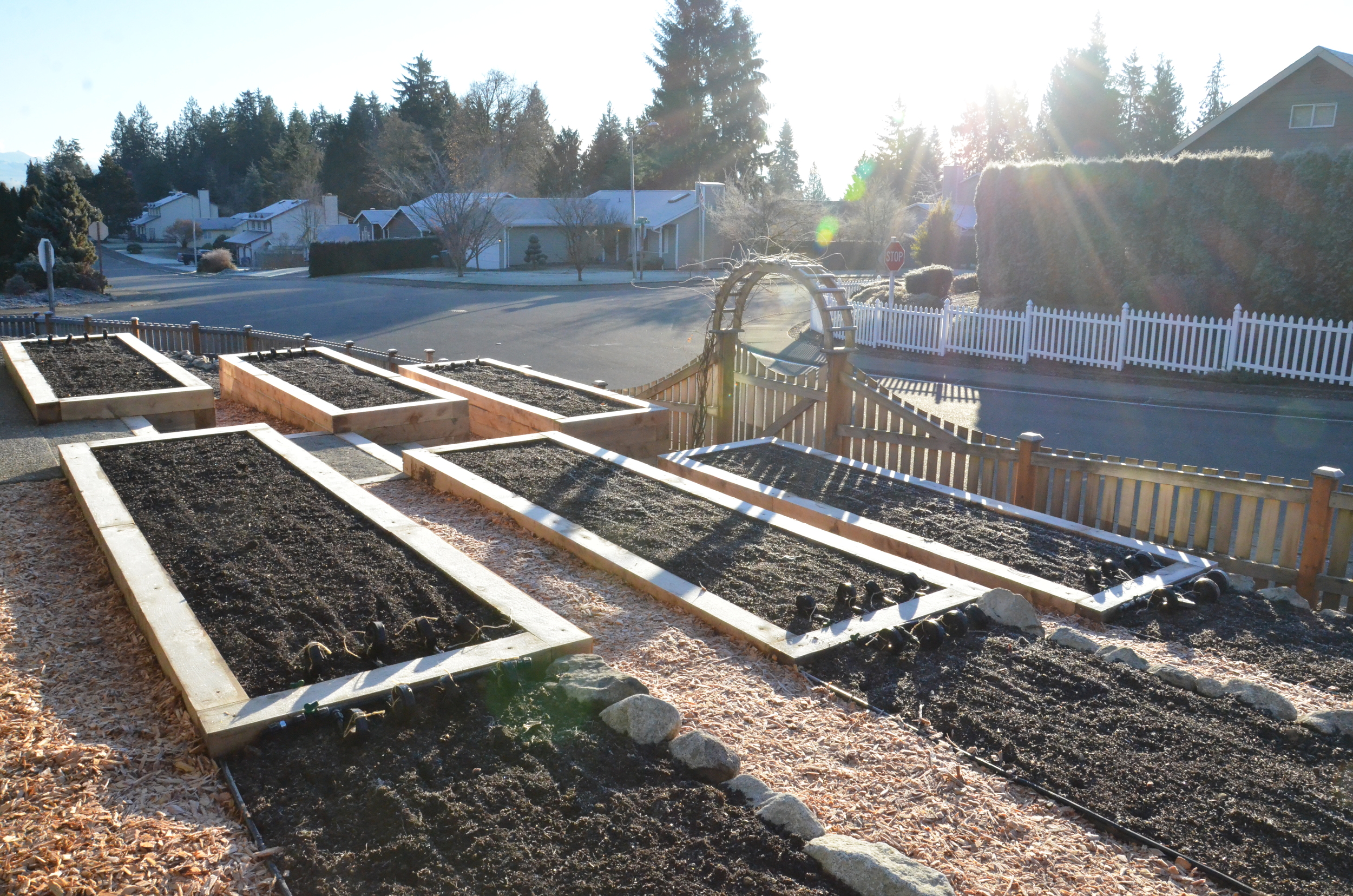
Interested in building a new vegetable garden this year or expanding your existing one? Now is a great time to start planning. The first thing you need to decide is where the garden is going to located. Thinking through the entire process and taking the time to make a plan in advance will prevent you from making mistakes that could affect the productivity and beauty of your garden.

It’s officially mid-April and you haven’t started your vegetable garden yet. Don’t panic! There’s still plenty of time, whether you are starting from scratch or a veteran urban farmer, here are 6 essential steps to help you create a successful veggie garden.
Planting Guides
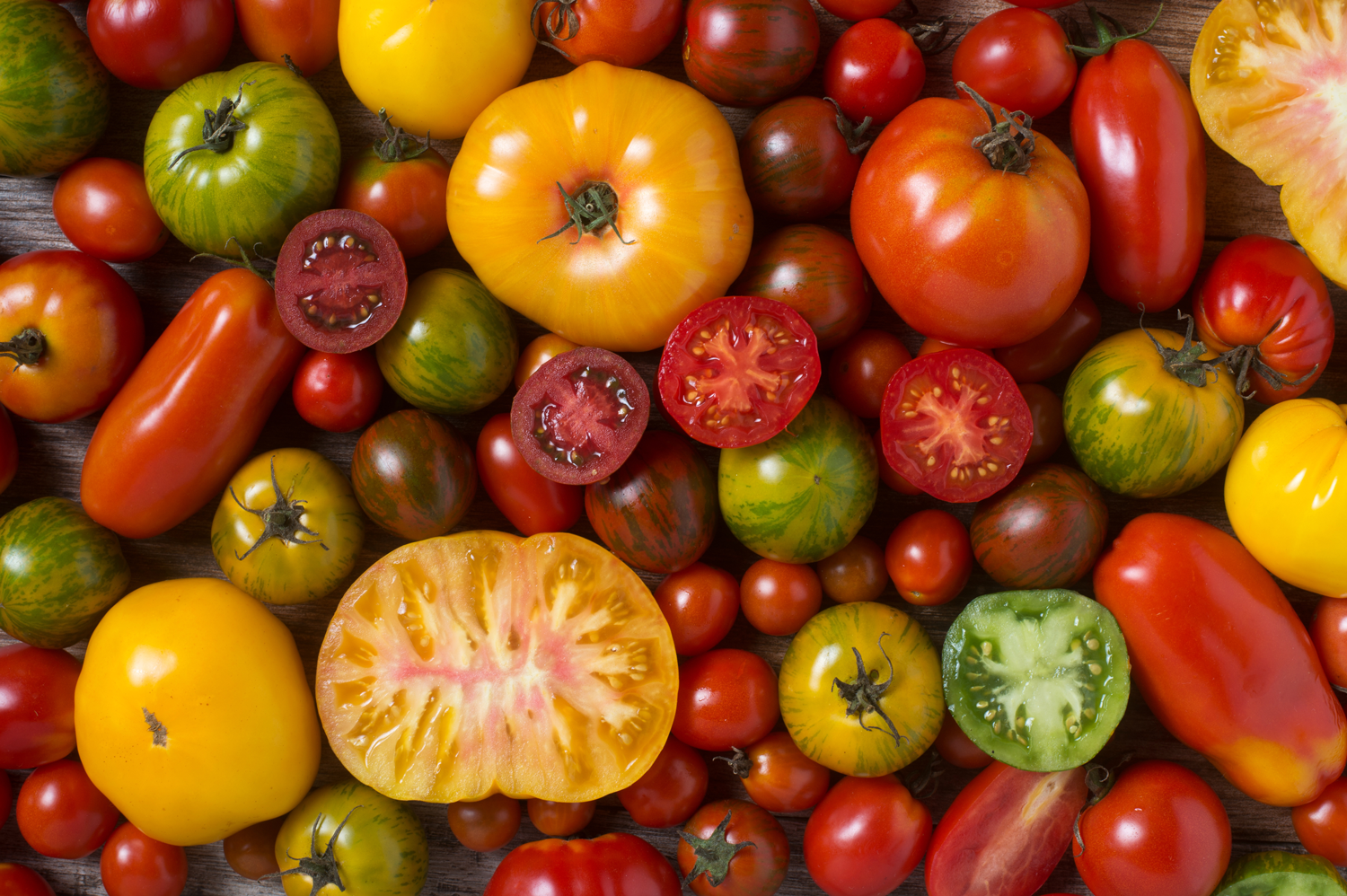
For many of us, the choice of which tomatoes to grow can be daunting. We've boiled down the tomato decision process into a few helpful questions and our suggestions: a secret (tomato) sauce, if you will, of how to make the right choice for your individual tomato needs. At the end of this post are a handy infographic and a link to our tomato variety list!

Tomato season is upon us and, after deciding which tomatoes you’d like to grow, they need to be planted! For this project, we chose a Brandywine heirloom tomato to plant into a container, but the same steps work for planting tomatoes in the ground in a garden bed.

Starting seeds indoors gives your vegetables, herbs, and flowers a head start so they can grow larger and have better (and longer) harvests or flowering periods. With a few basic supplies and a little patience, it’s easy and fun to start seeds indoors. As everyone knows, a little tending is good for the soul!

Spring is on its way and I’m planning my vegetable garden. Every year I have to balance my desire to plant tried-and-true favorites with the thrill of trying something new. Hence the ever-multiplying number of tomato pots tucked into every corner of the garden. Here are a few of my favorites, vegetables I think everyone should try at least once. Who knows, they may become your go-to crops!
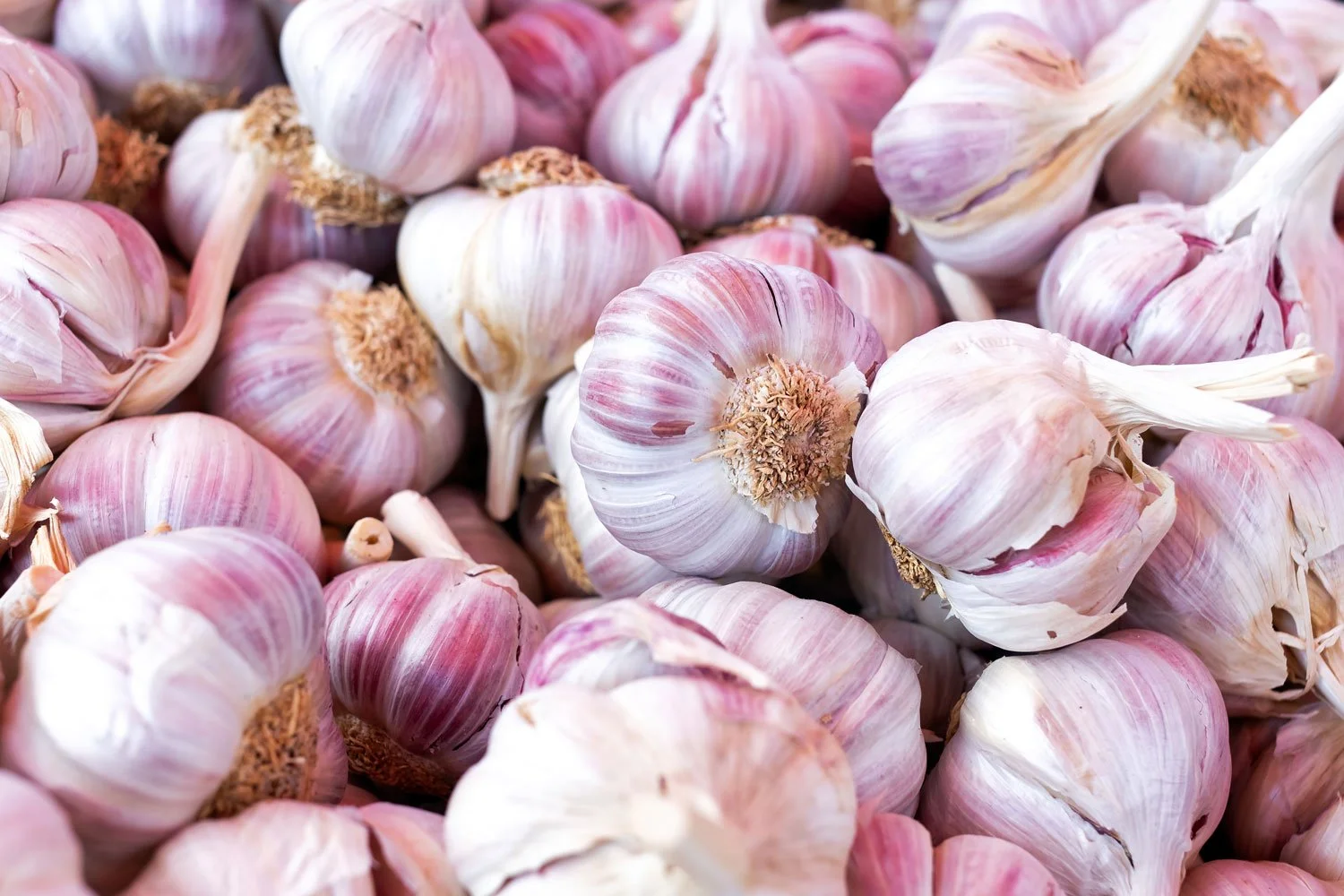
Sure, you can buy garlic, but for the best flavor - and an incredible sense of satisfaction - nothing beats growing it yourself. Unlike most vegetables, garlic is planted in the fall but not harvested until the following summer, making it a very long-season crop that’s worth the wait. In fact, it can be very encouraging to plant something new in late fall when all around you, most plants are fading in anticipation of winter.

One of the first activities I want to do outside in early spring is to plant my early spring vegetable garden. There’s nothing like the smooth, clean surface of prepped garden beds, the soil still pristine and just waiting to nurture rows of bright green spring vegetables, carefully planted in perfect rows. It’s like a fresh school notebook - full of promise. But what to plant? Here are a few of my favorite vegetables to plant in spring, with tips on when and how to plant them.

There’s something miraculous about a seedling as it starts to grow. Anyone who has poked toothpicks into the sides of an avocado seed and watched it unfurl its first bright green leaf or planted a bean seed in science class will understand. Seed-starting is a great way to have fun with your kids and it can be a simple, inexpensive, and entertaining activity for the whole family!
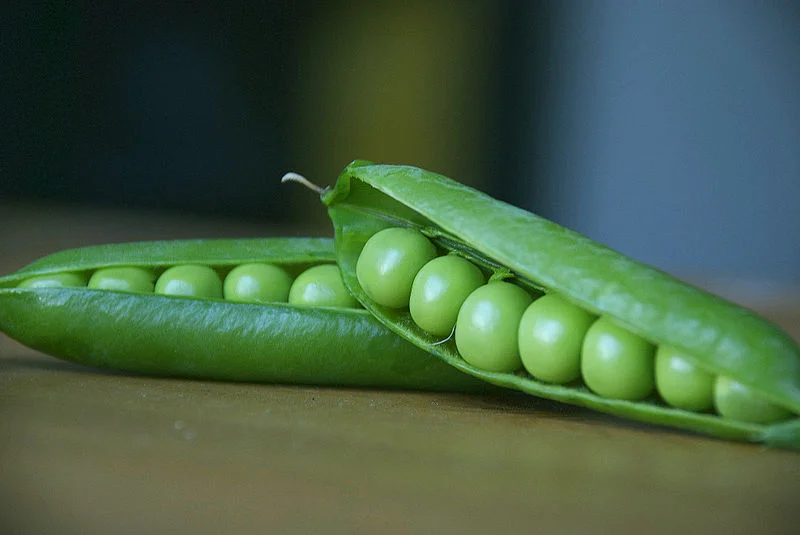
Peas are always one of the first vegetables I plant in the spring. As soon as there's a sunny day in late February or March, I bundle up and head out to the garden to sow snap and shelling peas along trellises in my raised beds.

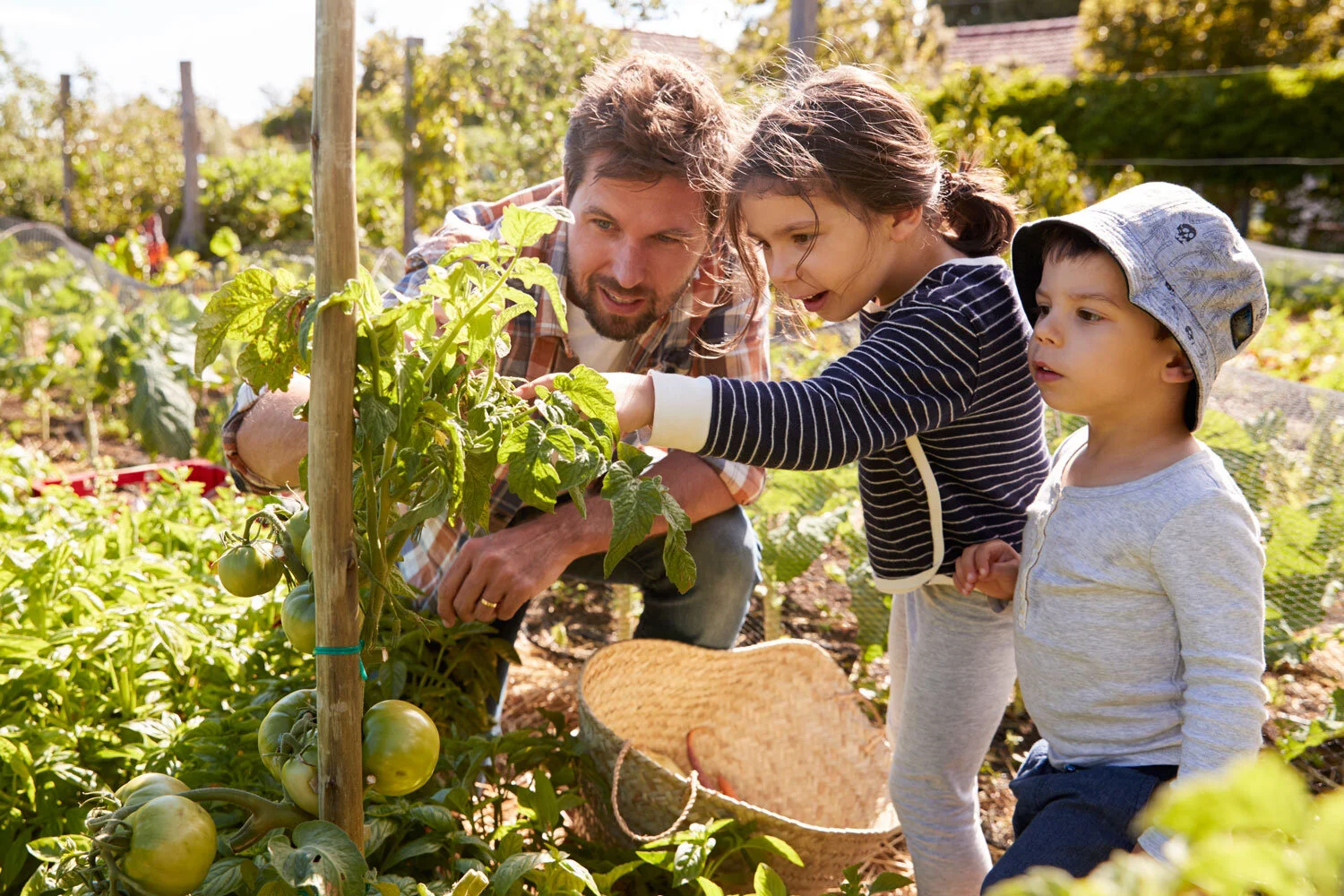
Edible plants are a great way to introduce your kids to the wonderful world of gardening. They’re colorful, fast growing, and delicious! It’s exciting for kids to see fruits and vegetables sprout and grow in their own garden (some, like Brussels sprouts, look very different in the garden than on the dinner plate!) I’ve also noticed that kids are often more adventurous about trying a new vegetable when they have grown it themselves. Here are a few tips to make creating an edible garden a fun and successful family endeavor!
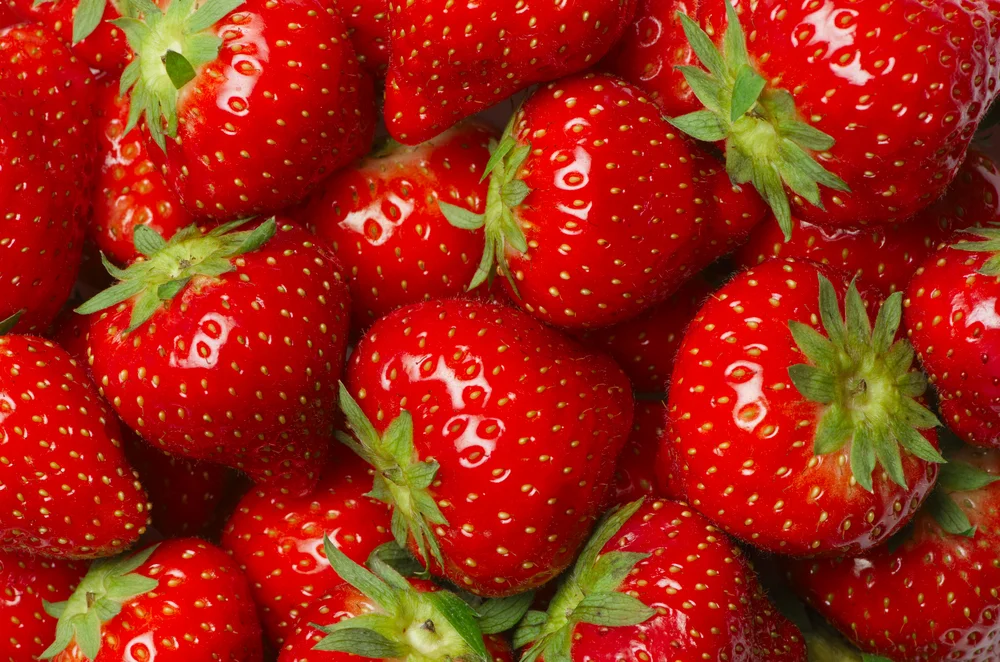
Strawberries are always a popular plant for the home garden because they are delicious and easy to grow in our Northwest climate. Nothing says that summer is approaching more than the first bite of a sweet, homegrown strawberry. Plus, they can be grown easily in small spaces and containers.
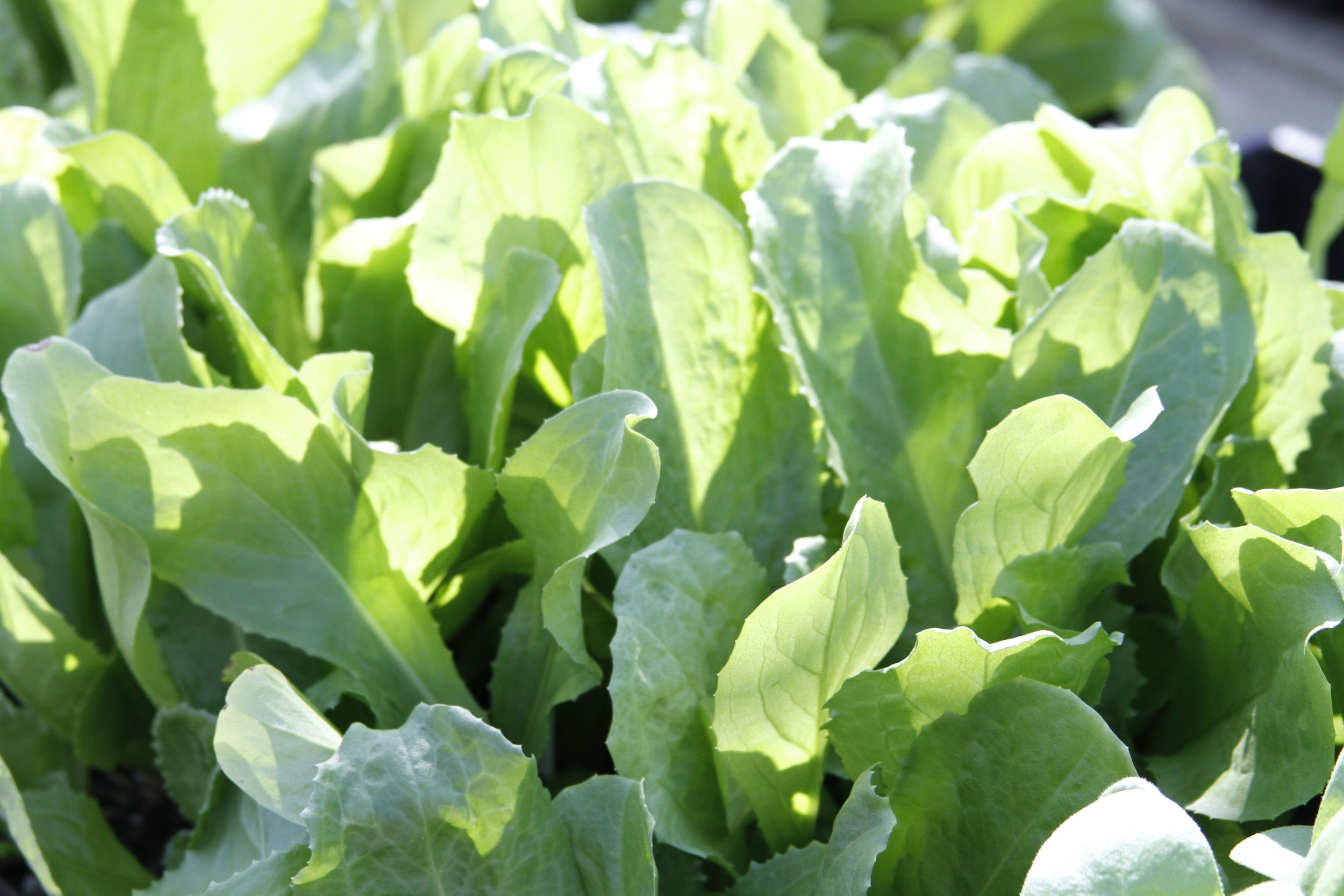
Think you can't grow vegetables in shadier conditions? Try these shade-tolerant vegetables and herbs in your garden!

Chives are the first of the herbs to open their sleepy eyes in the spring and a harbinger that better weather is on the way. The joy of being able to add freshly snipped chives to scrambled eggs on an early March morning assures one that winter is finally in the rearview mirror, and that, as immortalized by the soaring falsetto of last surviving Gibb brother, “You Should Be Dancing!”
More Planting & Care Guides
Protecting & Enhancing your Edible Garden

The marigold is much more than a beautiful garden flower. Its utility as a colorful annual, edible flower, and companion plant for vegetable gardens is greatly enhanced by its profound role in religious and cultural practices around the world.
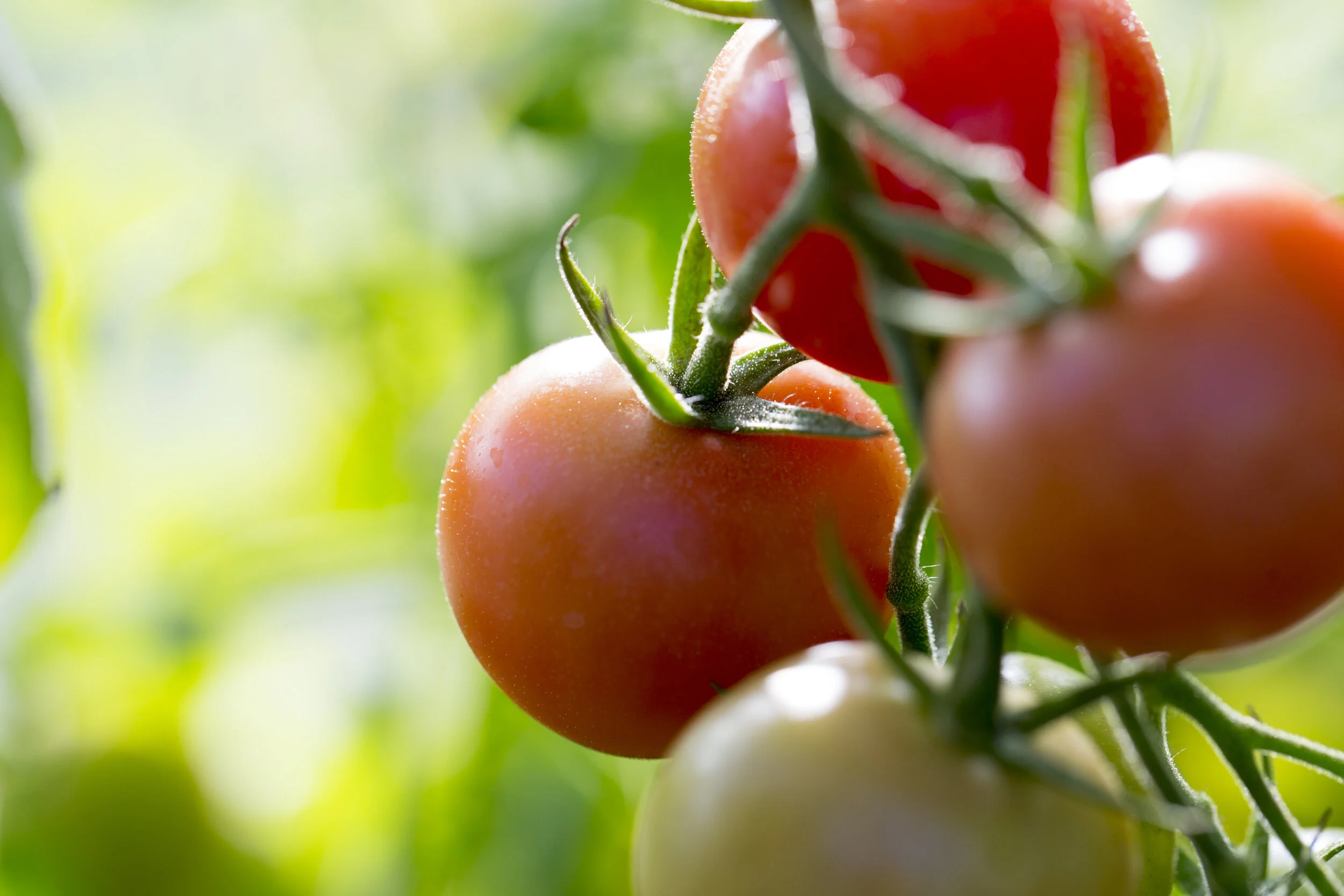
It’s April and tomatoes are here! We know you’re ready to get them planted since it’s sunny (wait… now it’s cold and raining…. wait! It’s sunny again! Wait…) ;) but your tomato plants won’t grow into incredibly prolific tomato producers if you don’t protect them until the night temperatures remain consistently above 50 degrees. Most of us at Swansons swear by protection tools so we can plant our warm-season vegetables earlier and encourage larger, stronger plants and better harvests. Here’s what we use and how to use them.

Powdery mildew is a fungus disease that regularly plagues the PNW. Most gardeners in our region already have or will have to control it in their gardens at some point. Read more for management methods.

Apple trees are great additions to any yard or garden, providing a source of food for bees, birds, wildlife and us! There’s nothing like the joy of watching your tree bloom in the spring, expectantly waiting for the fruit to ripen, and finally eating an apple freshly picked off your tree. The topic of pollination, however, can be confusing, so let’s review the basics.

Fruit tree netting is something I had never used or considered using until this year. I had experimented with nylon apple maggot barriers before with moderate success, but their application is quite laborious and time-intensive. Now that I have tried tree netting I will never go back. Here’s how to use netting to protect your fruit.
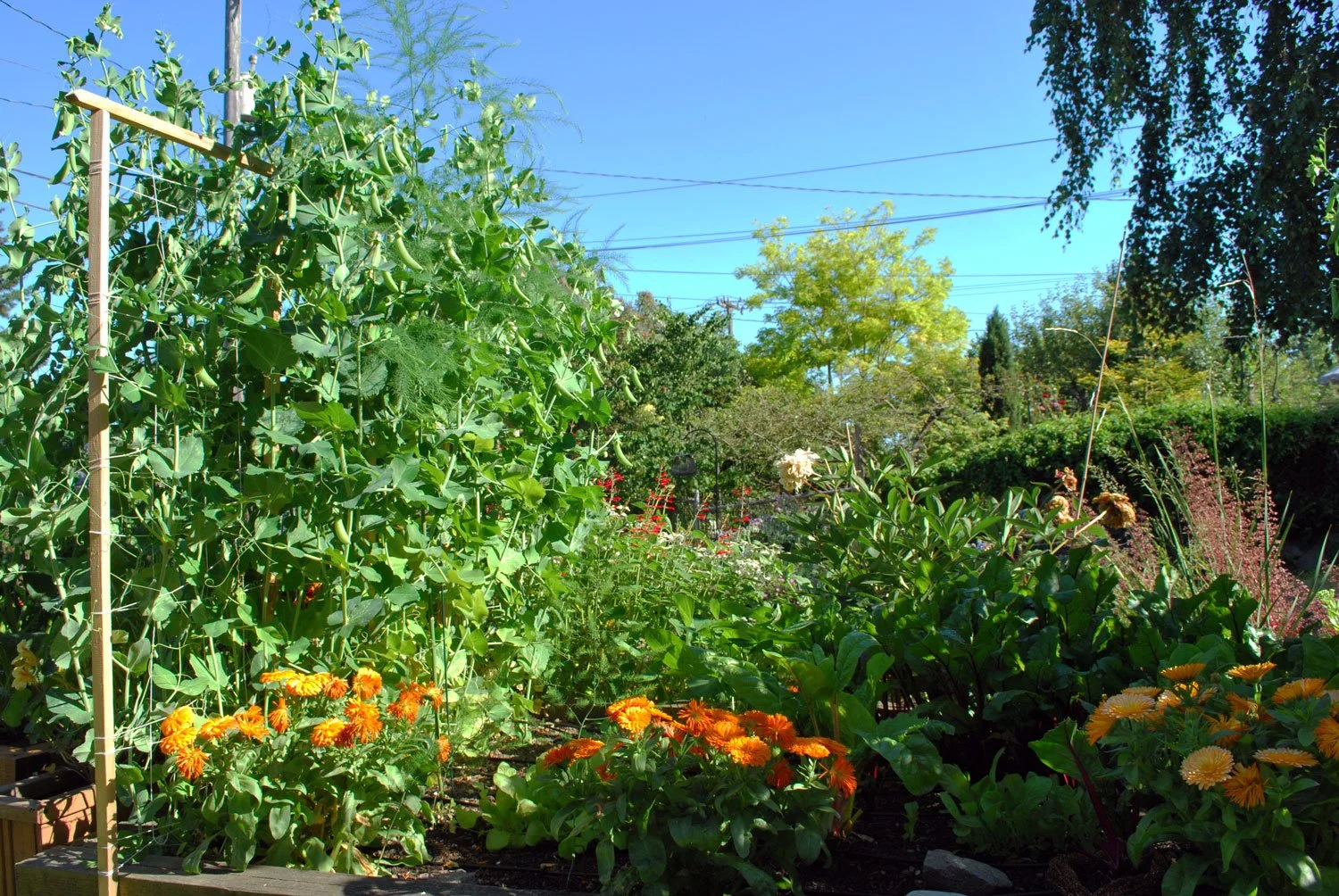
Companion planting is the practice of growing certain crops near each other and keeping others separated so that they all thrive. Companion planting can help attract pollinators and beneficial insects, repel pests, and even help you use your space more wisely! Even armed with the "why" of companion planting, it can be difficult to know where to start, so here are some guidelines you can use in your own home garden.
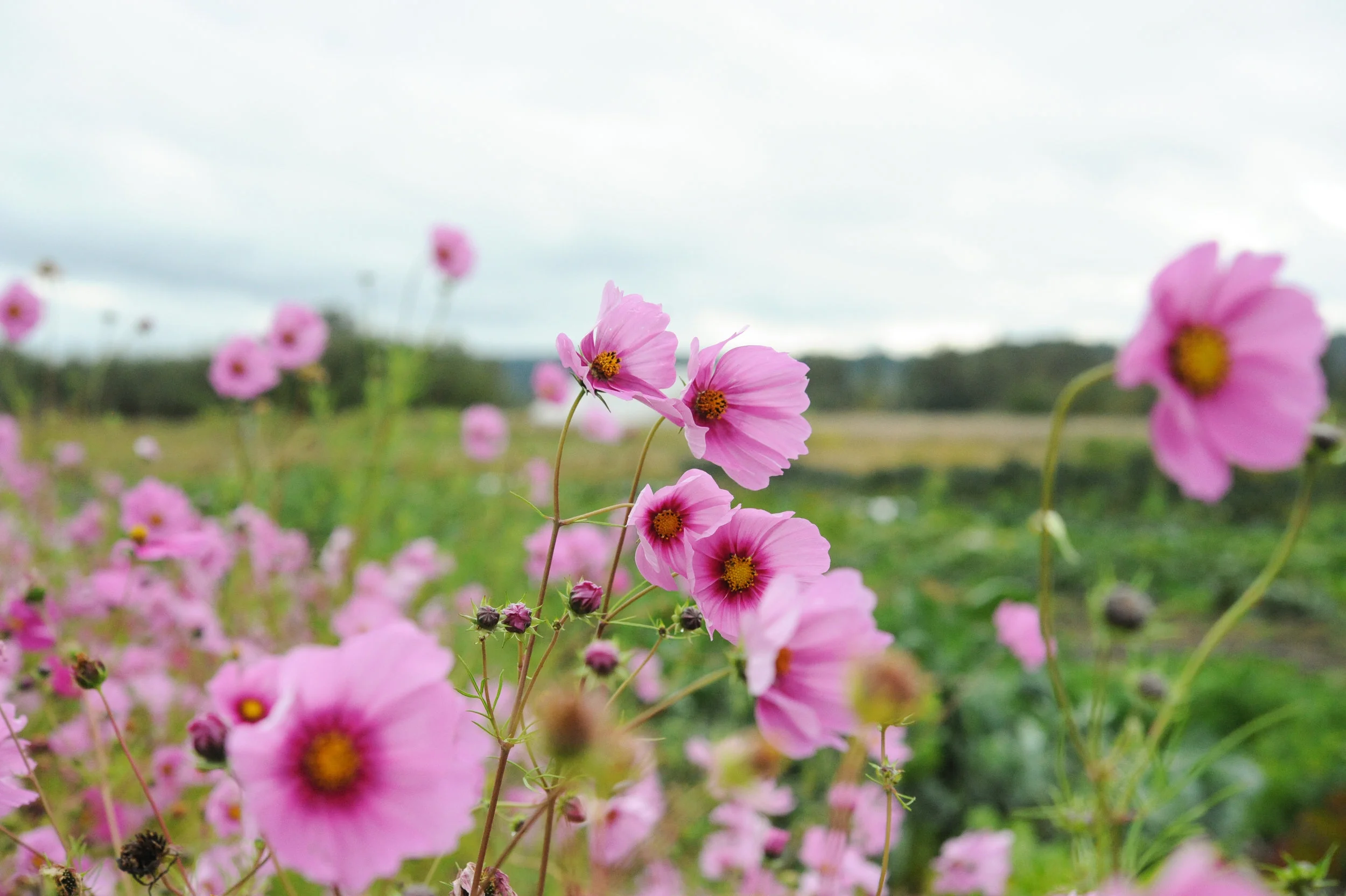
Flowers add both beauty and functionality to your garden. They provide interesting colors, scents, and textures to the landscape and allow you to create beautiful homegrown bouquets all summer long. But flower power doesn’t stop there! Flowering plants attract pollinators and beneficial insects that help your fruits and vegetables develop robust harvests, and they increase the ecological biodiversity of your neighborhood.
Growing Food in Containers

Spring gardening is in full swing and we’ve teamed up with our friends at Dunn Lumber to bring you a great DIY building and gardening project you can do at home - no backyard needed! Kirsten will teach you how to make two wooden planter boxes. I’ll help you decide what to plant in them and show you how, step by step!
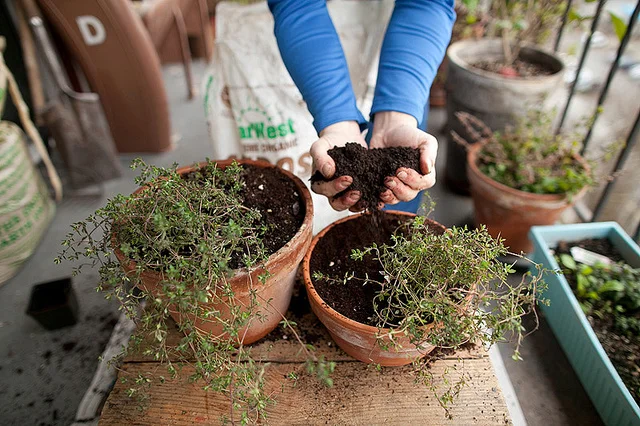
Digging Deeper welcomes author, cook, and gardener, Amy Pennington, as a guest blogger. Amy will be sharing the basics of growing food in containers for anyone looking to supply their kitchens with some garden goodness!
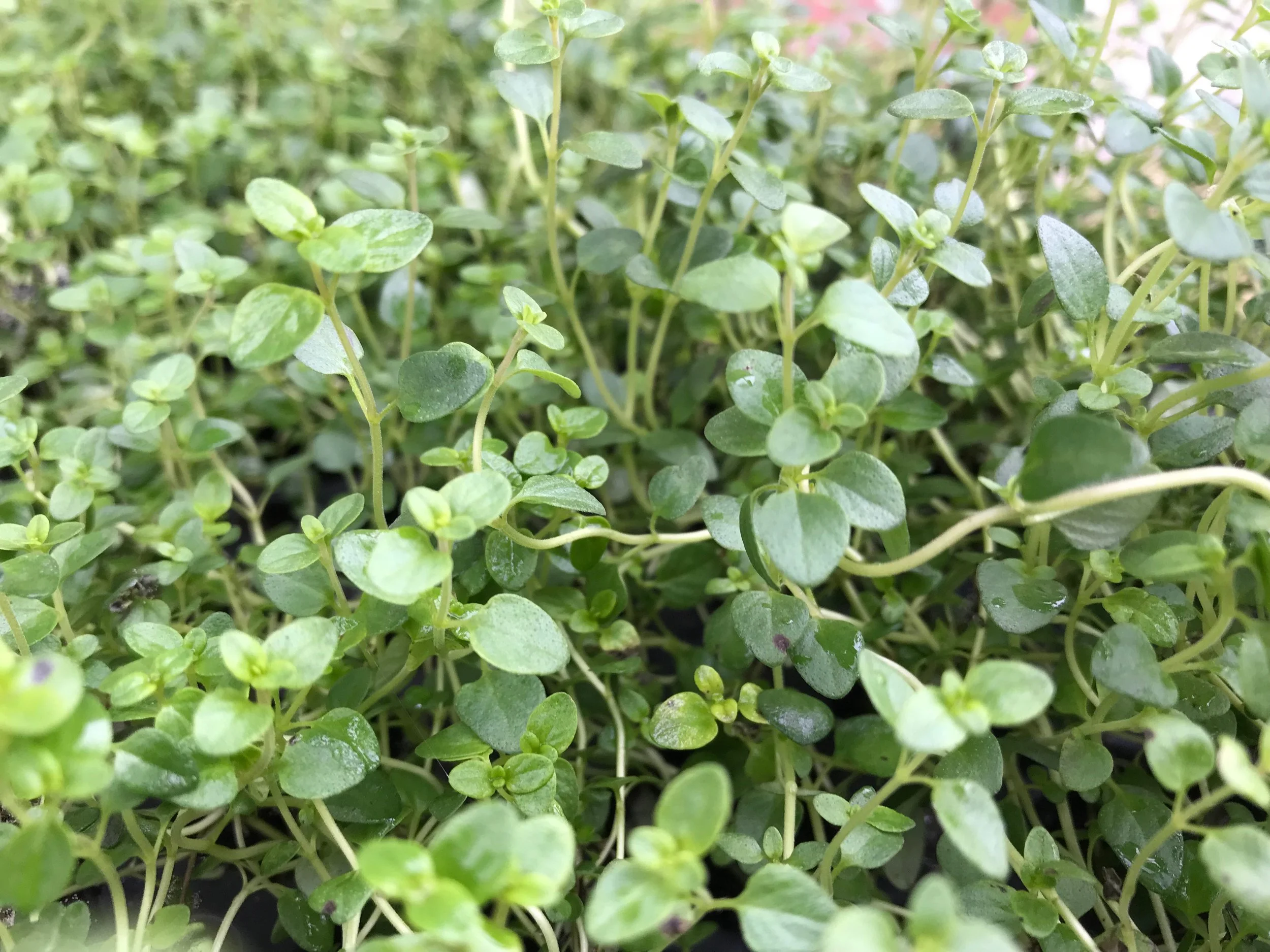
Growing herbs indoors is easy! If their basic needs are met, such as good soil, adequate light
and the right amount of water, herbs will reward you with gorgeous plants and flavorful meals all year round. If you are new to indoor gardening or cooking with fresh herbs, these basic instructions and recipes will get you started.

Swansons' hosted a special Kids' Activity to plant a "pizza" herb garden this past weekend. We had so much fun we want to tell you all about the activity so you can make your own at home!

Container herb gardening has us hooked for many reasons. Growing herbs in containers is great if you’re short on space, have poor soil conditions, or just want to keep your herbs close to the kitchen!
Fall Vegetable Gardening
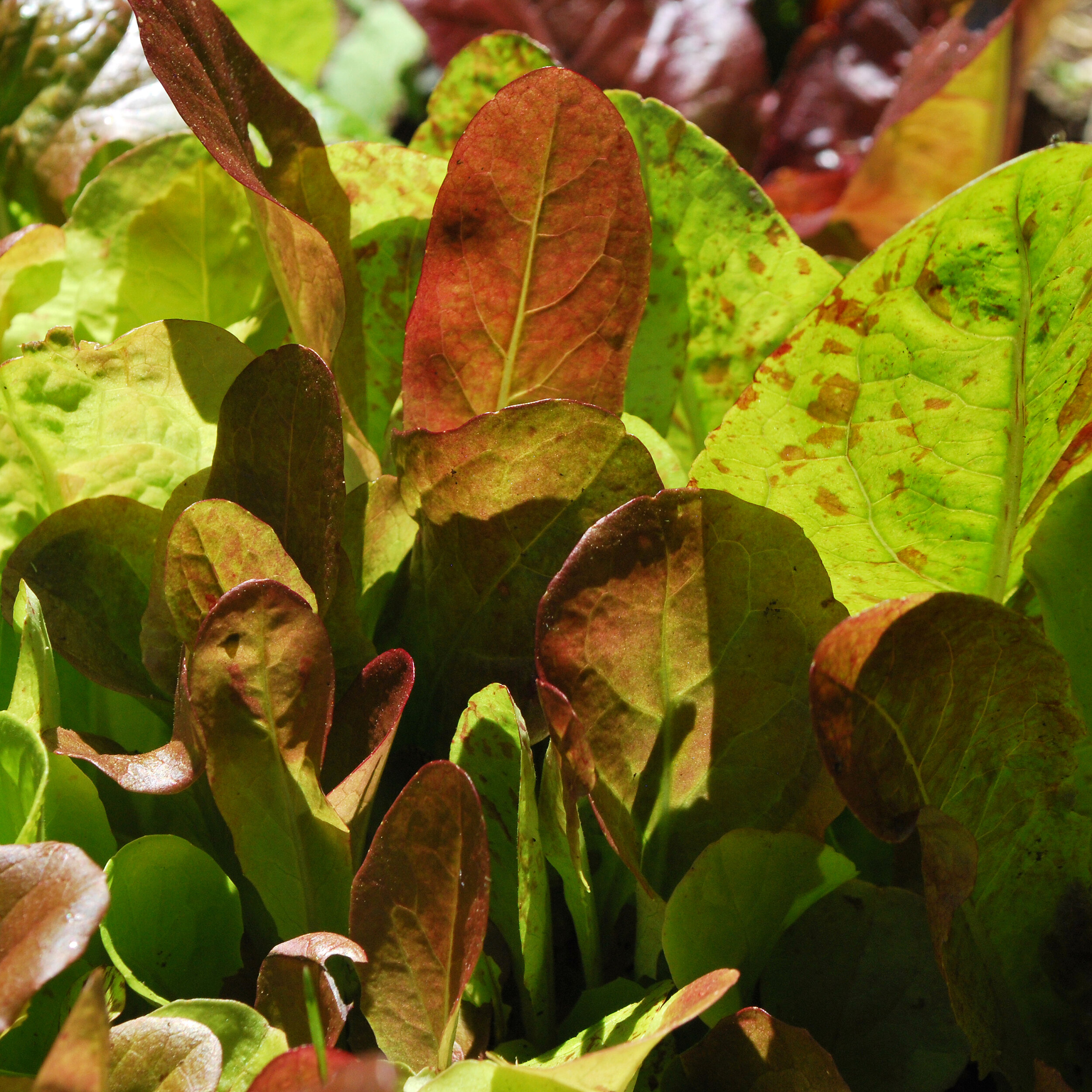
We are so lucky in the Pacific Northwest to be able to grow veggies nearly year-round (with a little help from season-extending materials) but the fact is that many vegetable gardeners don’t take advantage of the opportunities that exist in mid-to-late summer to plant vegetables for fall and even extra-early spring harvests. This guide will help you get started.
Sure, you can buy garlic, but for the best flavor - and an incredible sense of satisfaction - nothing beats growing it yourself. Unlike most vegetables, garlic is planted in the fall but not harvested until the following summer, making it a very long-season crop that’s worth the wait. In fact, it can be very encouraging to plant something new in late fall when all around you, most plants are fading in anticipation of winter.

With the advent of September and autumn, the cooler nights are a time to give yourself a brief respite after the summer and refresh your vegetable garden with a cover crop. Cover crops, also called green manure, are very beneficial to the "tilth" (structure, or physical suitability for planting) of your soil. Sown in the fall, usually late September, cover crops will enhance soil over the winter. They attract pollinating insects, break up heavy soil, add organic material and decrease the number of weeds.
Learn more about what to do in the vegetable garden each month on our monthly gardening tips calendar.
No matter whether this is your first-ever vegetable garden or just the first time planting this year, if you take a little time to prepare before you plant, everything will go more smoothly and you’ll be more successful. Here are a few simple things to consider when starting a vegetable garden this spring.