
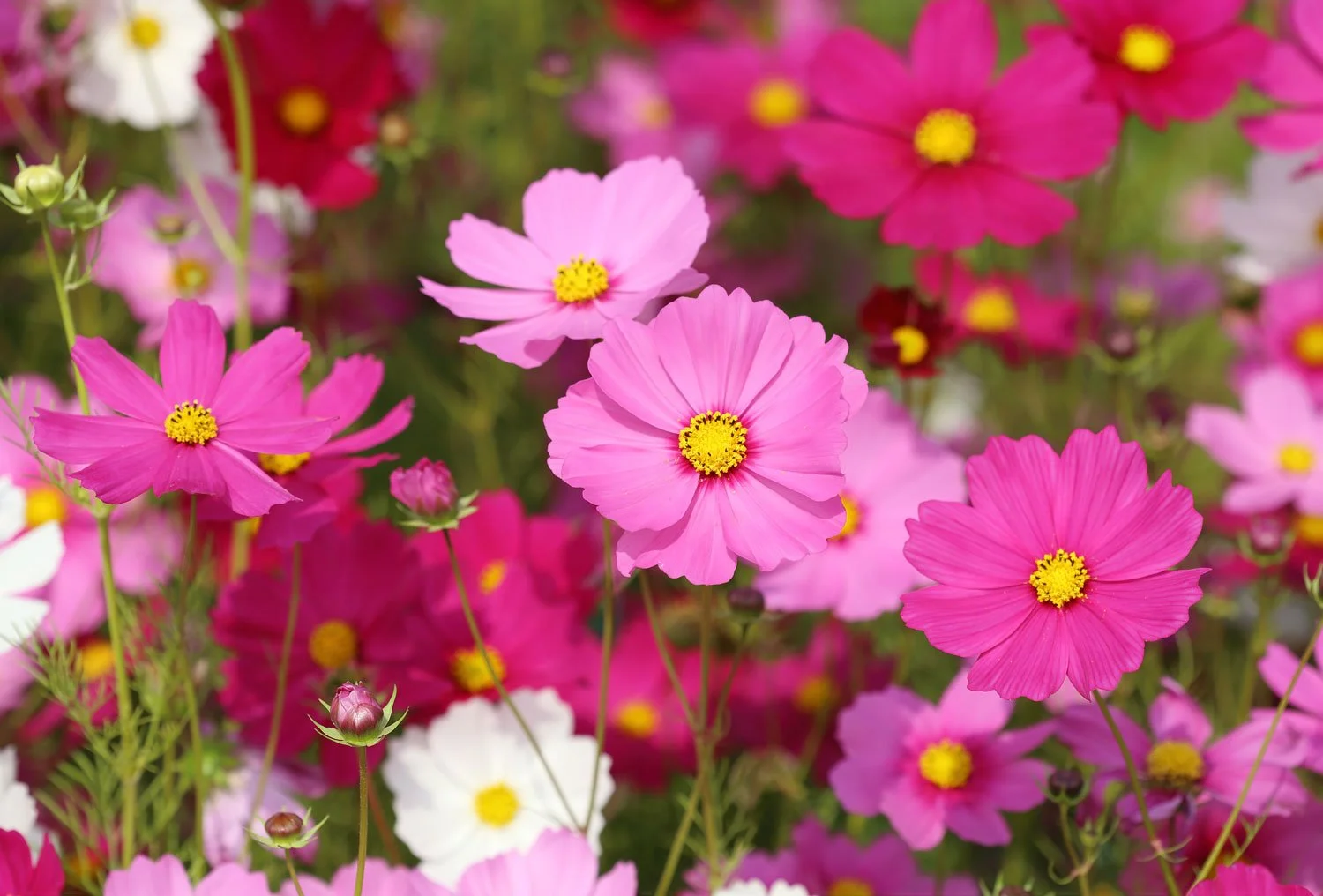
If dreary winter days have you dreaming about a spring garden full of vase-worthy flowers or a vibrant summer vegetable patch, you are in good company. Fortunately, late winter is the perfect time to start planning for the gardening season ahead and decide what plants you might want to start from seed, as the time to start sowing seeds indoors and outdoors will be here before we know it!
It can be very rewarding to plant seeds and watch as tiny sprouts develop into abundant vegetables and flowers. Starting plants from seed can be a more economical way to grow and try new things, and can sometimes give you a larger variety of options than you would find if purchasing plants later in the season.
If you’ve stood in front of racks of seed packets and felt overwhelmed trying to pick out the right ones for your space or lighting conditions, you’re not alone! Whether you’re a budding vegetable gardener or looking to start an indoor herb garden, this article will help get you started with 5 easy gardens to start from seed.
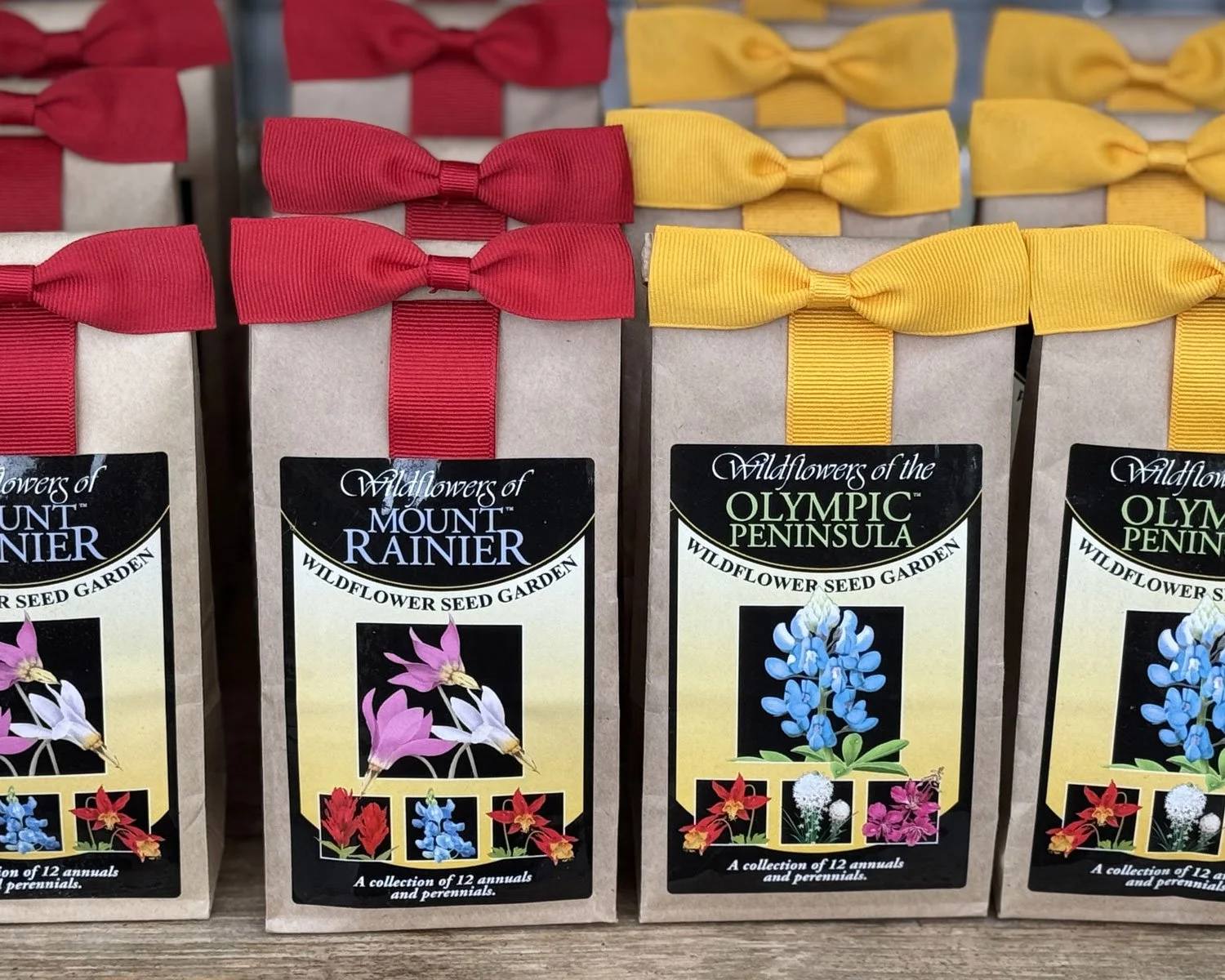
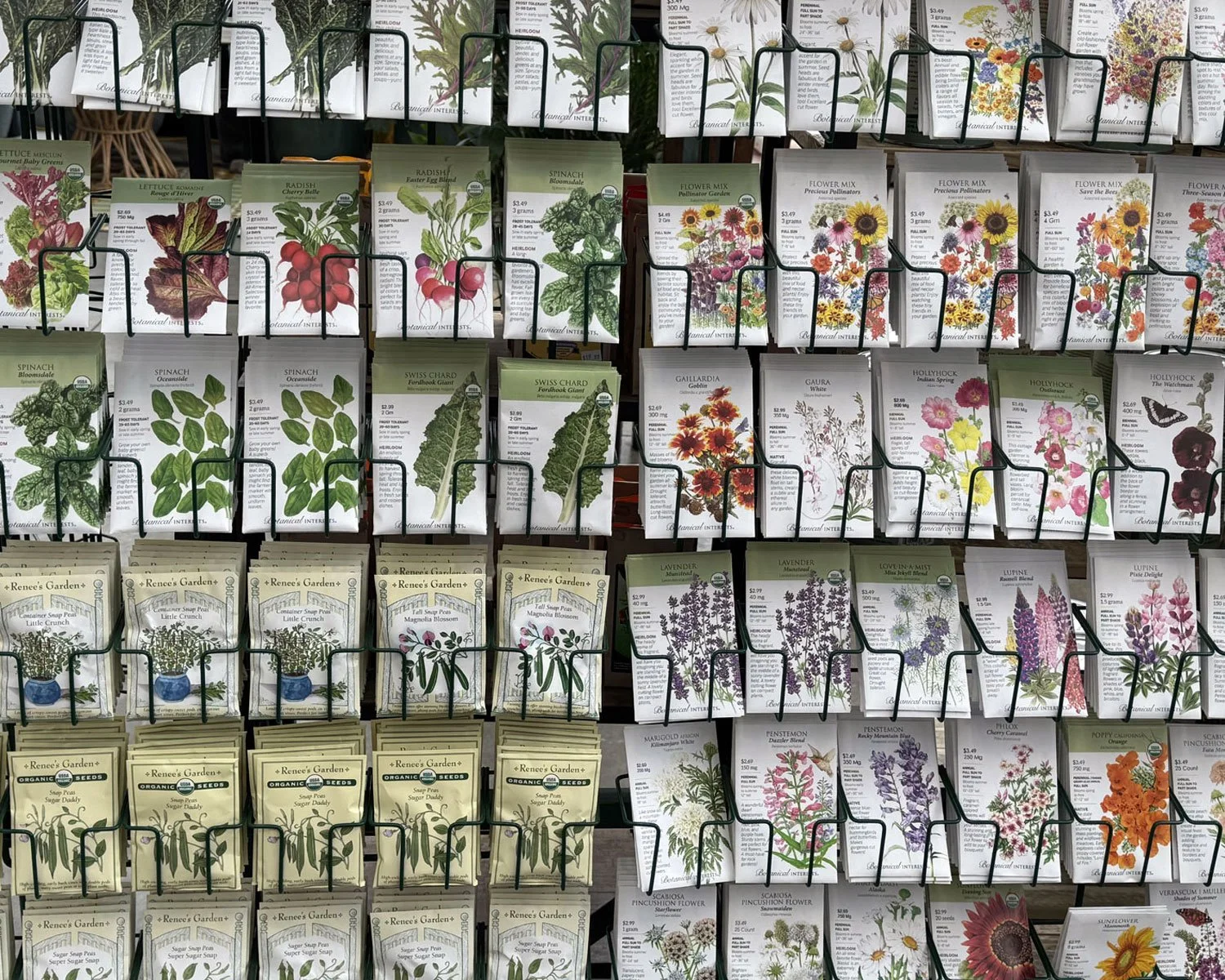
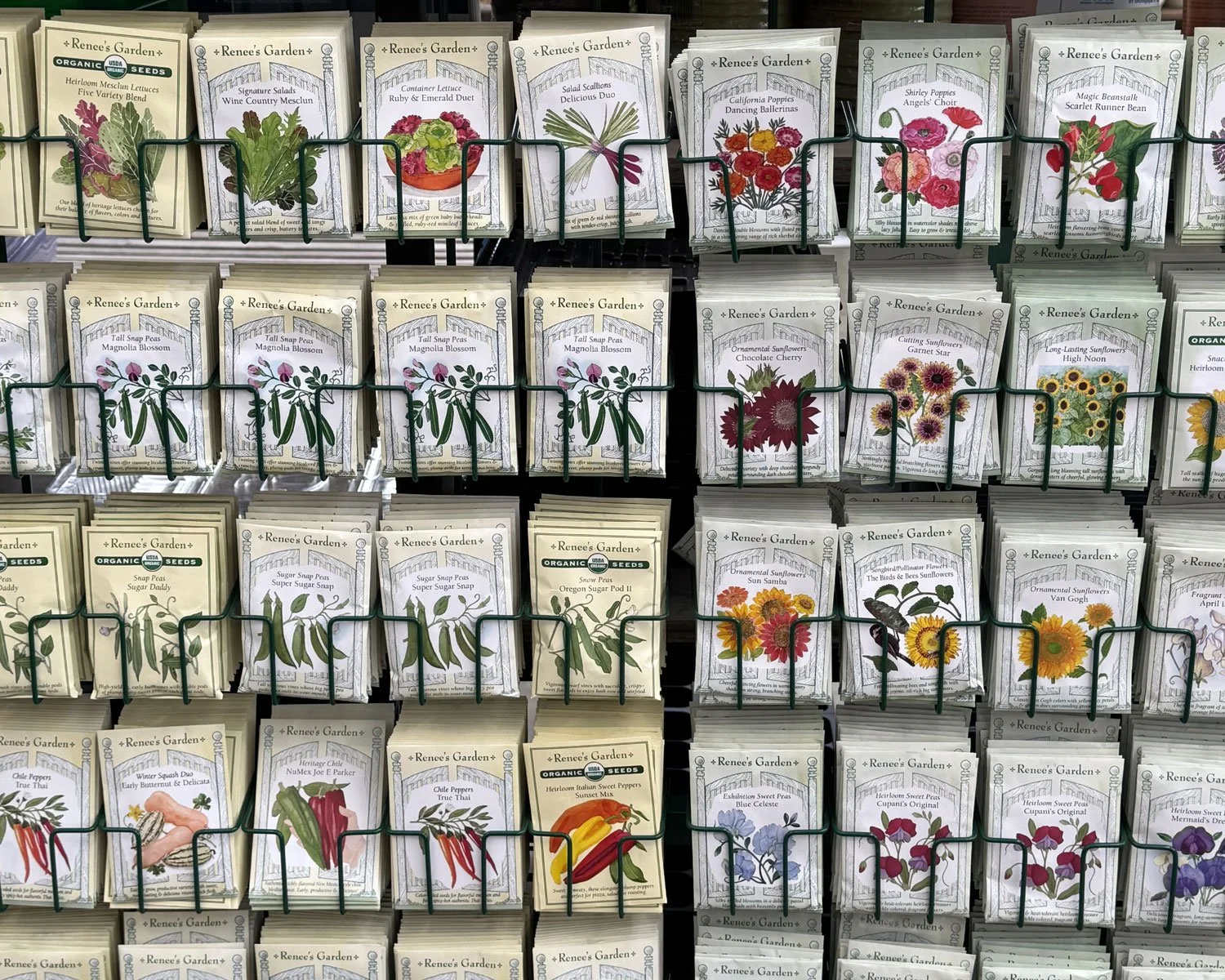
Note: Information on when to sow seeds is typically based on the date of the last frost in your area. You can find estimated last frost dates for the Seattle area and beyond here. For more in-depth information about how and when to start seeds indoors, check out our blog post How to Start Seeds Indoors in 4 Easy Steps.
colorful container Garden
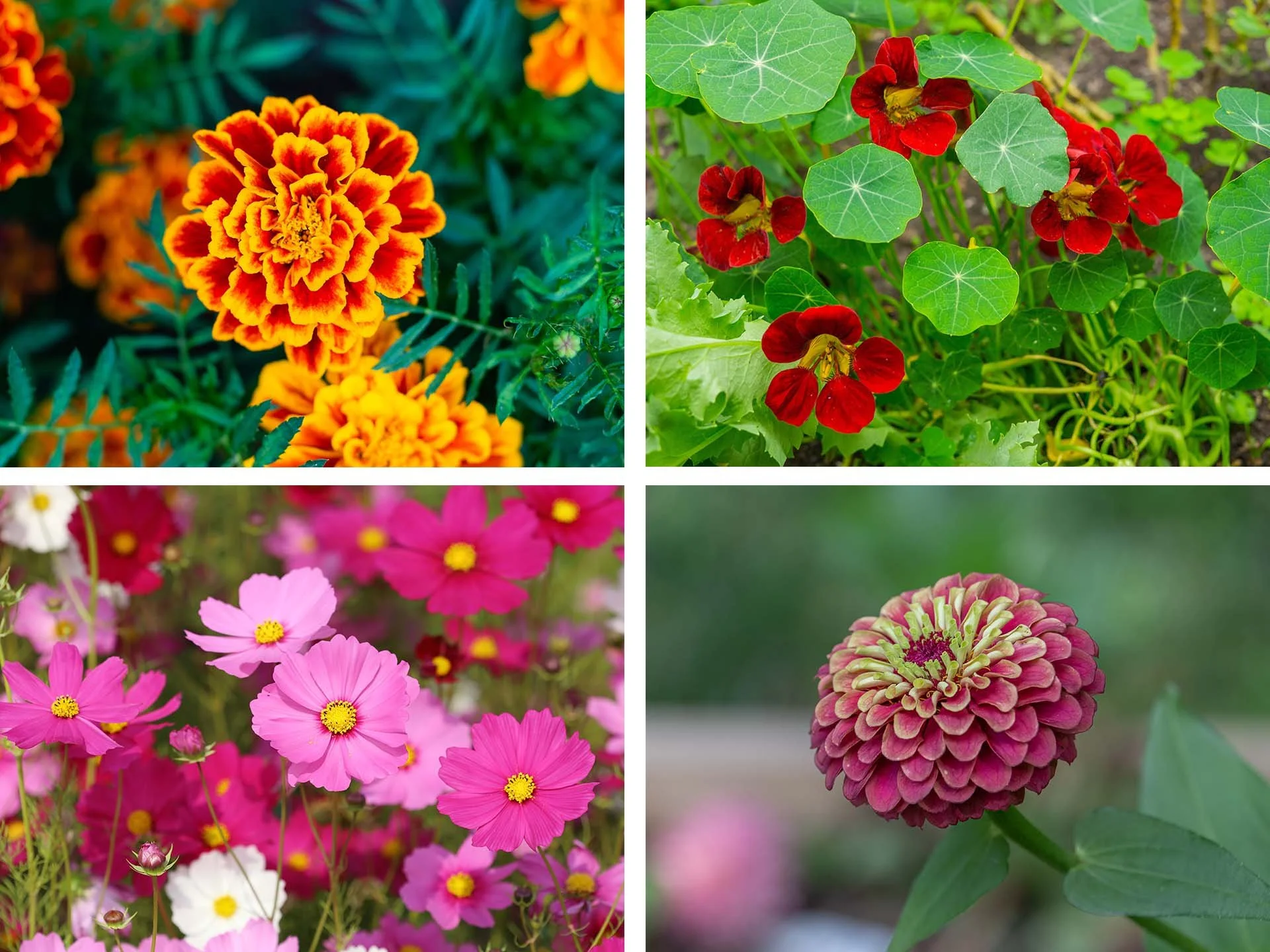
Clockwise from top left: Marigold, Nasturtium, Zinnia, Cosmos
If you’re looking forward to spring and summer color, you might enjoy planning a colorful container garden now! Most vibrant container favorites will provide beautiful blooms all summer long.
Nasturtium and zinnia are beginner-friendly plants, and you can sow seeds directly in your container after the danger of the last frost has passed (averaging between March 20 and April 20 in the Puget Sound area). Others, like marigold and salvia, will be most successful when started indoors about six weeks before the last frost. You can look for more detailed information about when to start seeds on the back of your seed packet.
Start indoors before the last frost:
marigold (or direct sow 2-3 weeks after the last frost)
salvia
sweet alyssum (or direct sow after the last frost when soil temperatures reach 60°)
cosmos (or direct sow after the last frost)
Sow directly outdoors:
nasturtium
zinnia
sweet pea
Beginner-friendly vegetable garden
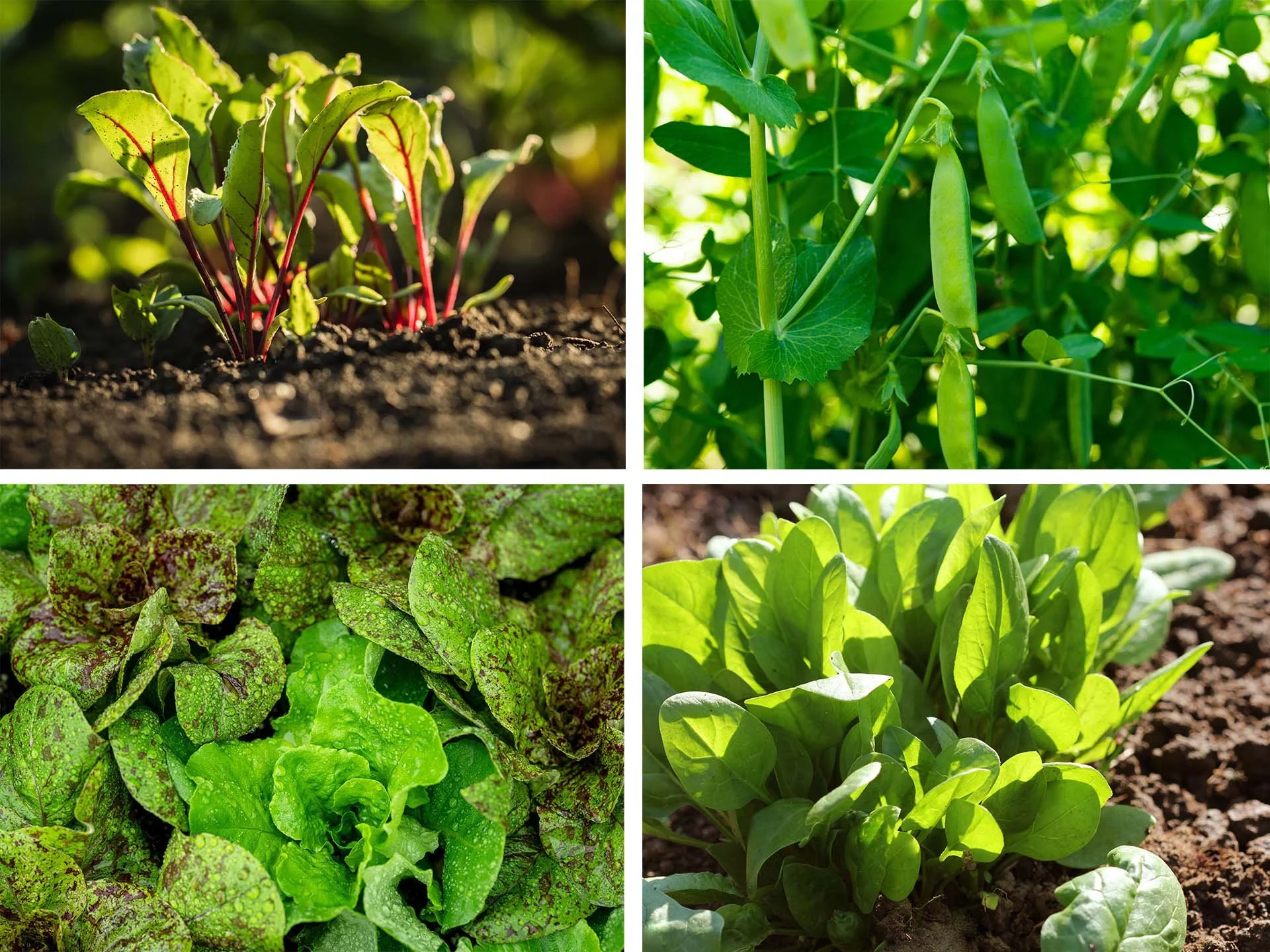
Clockwise from top left: Beets, Peas, Spinach, Lettuce
For the epicurean, enjoying homegrown veggies is a relatively easy and satisfying process. With a little care and planning, many vegetables can be grown from seed and will reward you with fresh produce from spring to fall. You can start with cool-season vegetables like peas, spinach, and lettuce varieties that can be sown directly into the garden before the last frost and harvested in the spring. For abundant summer vegetables, cucumbers and zucchini are great options and can be sown directly after the danger of frost has passed. If you have limited space for veggies, look for container varieties of favorites like snap peas and zucchini.
Sow directly outdoors:
lettuce
spinach
peas
kale
beets
radish
cucumbers
zucchini
pollinator paradise
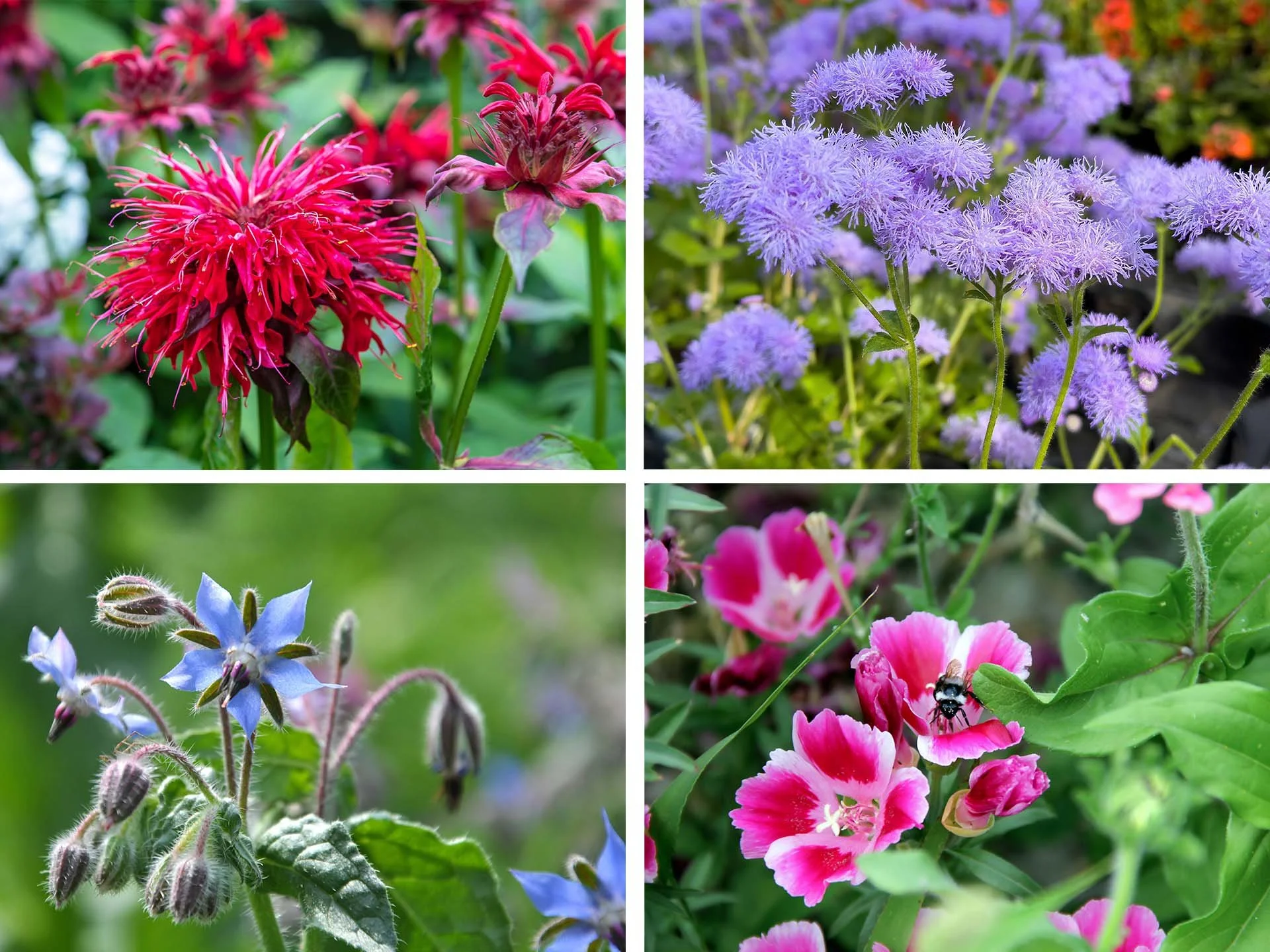
Clockwise from top left: Monarda, Ageratum, Clarkia, Borage
Perhaps one of the most rewarding experiences of growing flowers (apart from enjoying the flowers yourself) is watching winged visitors busy collecting pollen. There are many options to attract pollinators, and starting your flowers from seed can unlock even more varieties to try. For a buzzing pollinator garden this spring and summer, try seeds such as clarkia, lupine, ageratum, and borage. You can also look for pollinator seed mixtures to draw a whole variety of pollinators, or mixes for specific pollinators if you are especially keen on attracting hummingbirds or butterflies. If you’re interested in creating a habitat for native pollinators, look for native plant seed mixes that will support and attract our northwest bees and butterflies. Remember that the shape of the flowers you plant will impact which pollinators you will attract. Flowers with broad, flat surfaces, like milkweed, will allow butterflies to pollinate, while longer trumpet-shaped flowers will attract hummingbirds.
Start indoors:
clarkia
ageratum
echinacea
Sow directly outdoors:
borage
lupine
monarda
sweet peas
For a shady spot
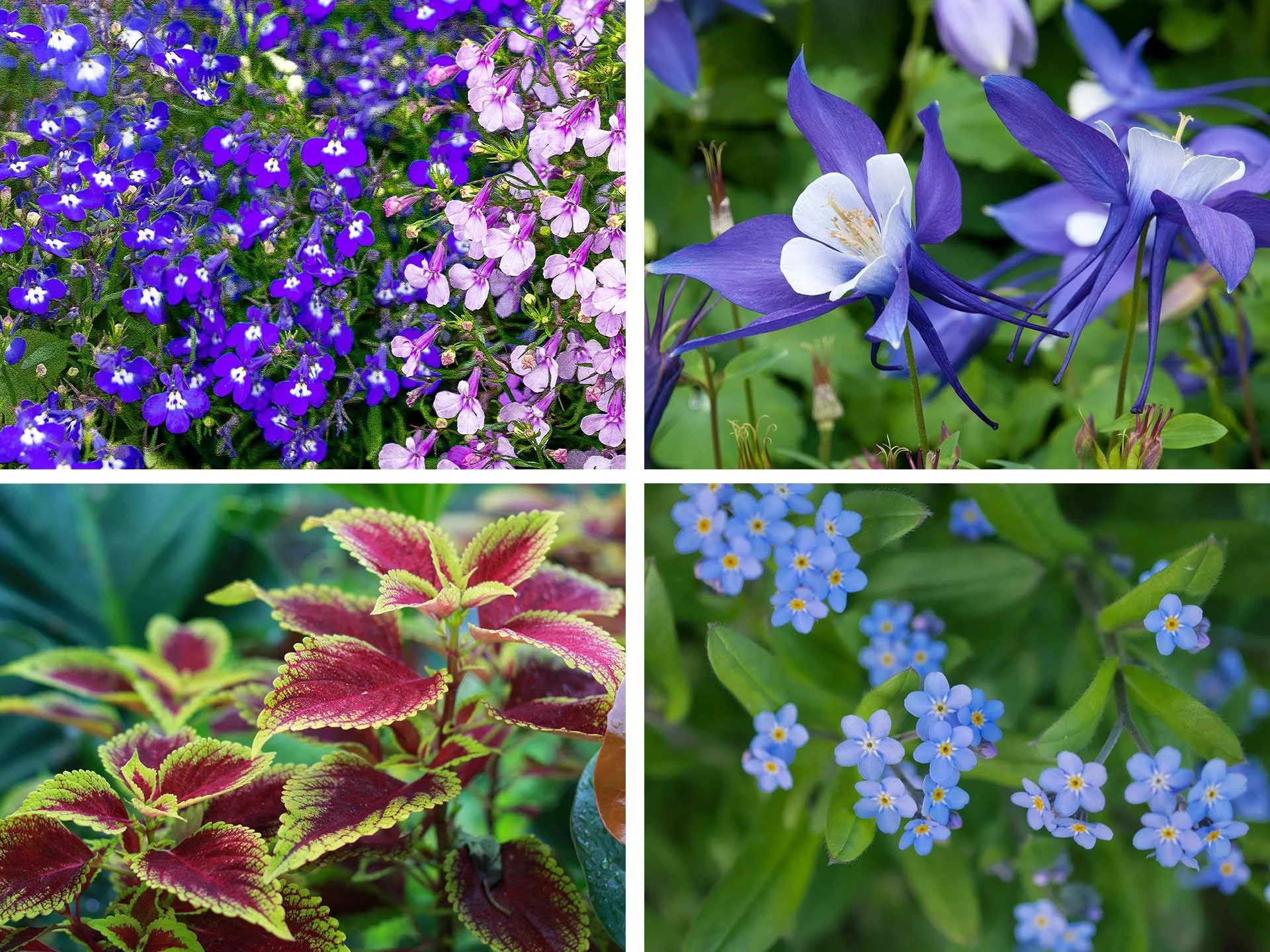
Clockwise from top left: Lobelia, Aquilegia, Forget-Me-Nots, Coleus
If you’ve browsed through packets of seeds and found that many require full sun, worry not! There are still plenty of options that will thrive in a shady area of your yard. Lobelia is a trailing flower in a vibrant shade of blue that is well-suited to shady borders and garden beds. Aquilegia (Columbine) is a shade-tolerant option, often available in a mix of colors. Forget-me-nots are a great choice for shade as well. They can be sown in early spring for fall blooms or in spring through August for flowers the following season. If you want to try growing a variety of plants in a shady spot, try a seed mix of shade-loving plants.
Start indoors:
aquilegia
lobelia
coleus
Sow directly outdoors:
forget-me-nots
shade flower mix
Indoor herb garden
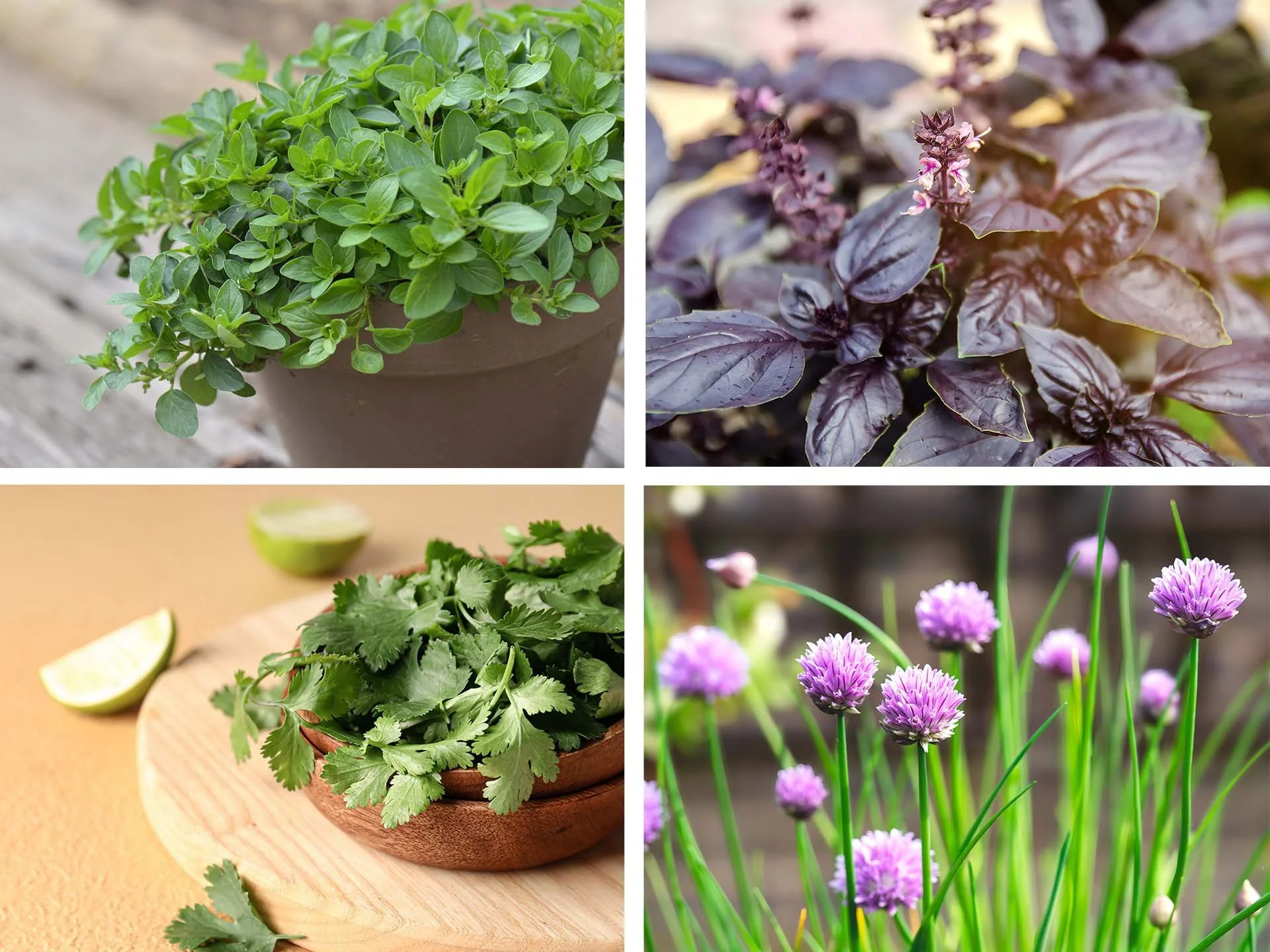
Clockwise from top left: Oregano, Basil, Chives, Cilantro
Enjoying the benefits of starting plants from seed isn’t limited to those with outdoor space. With just a sunny windowsill, you can start an indoor garden of fresh herbs to cook with all year round. Herbs like basil, parsley, chives, oregano, and cilantro can be grown from seed indoors and will provide you with fresh flavor to add to meals for most of the year. Although many herbs can grow year-round indoors, it is best to start most seeds in the spring, to allow the seeds to germinate and get established while daylight is plentiful. Grow lights are a great option to give your seedlings the light they need to thrive.
Sow indoors:
basil
parsley
chives
oregano
cilantro
Planting seeds is a great way to get a head start on your spring and summer garden, and gives you the option to try lots of unique varieties of plants. Whatever style of gardener you are, we hope you found some inspiration, and we hope you’ll enjoy the rewarding process of starting your own seeds!
Have questions? Ask us in person or email us! We’re happy to help you choose the best seeds for your particular project.